
Search is fragmenting – credibility and trust create the new visibility
Online search behaviour has changed significantly with the rise of AI. How can African brands adapt to this new marketing landscape?
MARKETING ETHICS
By our News Team | 2022
Ogilvy says its announcement is in line with national concerns about the mental harm being caused by ‘perfect’ social media portrayals.
Ad agency giant Ogilvy will, in the United Kingdom at least, no longer work with influencers who distort or retouch their bodies or faces for brand campaigns.
This is to reduce some of the mental health problems being caused by people – particularly younger and more vulnerable groups – striving for ‘perfect’ looks and lives due to social media portrayals.
Ogilvy’s decision is also in line with a Digitally Altered Images Bill recently introduced to the British Parliament. This calls for advisory labels on images where influencers have digitally altered their bodies.
In introducing the bill, which is not yet law, Dr Luke Evans, an MP, said people were “caught up in the arms race for the perfect selfie”, which was impacting mental health.
Photo by George Milton on Pexels
Be ‘upfront and honest’ about edited photos
“If someone has been paid to post a picture on social media which they have edited – or advertisers, broadcasters or publishers are making money from an edited photograph, they should be honest and upfront about it,” Evans stated in an address to the House of Commons.
Meanwhile, the Head of Influence at Ogilvy, Rahul Titus, told the industry website The Drum in an interview that influencer marketing is “supposed to be the authentic side to marketing, but now it churns out such staged content that is so harmful to anybody looking at social media”.
Titus added: “We have a duty of care as marketers, as agencies and brands to the next generation of people so they don’t grow up with the same stuff we are seeing now.”
Ogilvy will roll out the policy in two phases, The Drum reported. Starting next month, Titus’s team will be consulting with brands and influencers on the policy and, in May, it will implement the ban. Titus has set a December deadline for a complete end to the editing of all sponsored or paid-for content in influencer activations.

Online search behaviour has changed significantly with the rise of AI. How can African brands adapt to this new marketing landscape?

Researchers propose a framework for packaging that senses, learns and acts – making packaging an active, AI-powered tool against food waste.
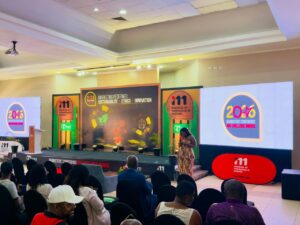
Country needs marketers to build recognition and consumer trust around Malawian products and national brand, says Deputy Minister.

Fashion brand suspends giant lingerie high above the city’s streets, using shadows to create a moving billboard for pedestrians and motorists.

Researchers describe AI influencers as having a ‘dual identity’. Consumers evaluate both ‘person’ and ‘technology’ identities at once.

Reputation and trust, once modest influences on hotel choice, have become some of the strongest predictors of patronage, study finds.

South African brands are increasingly setting the global benchmark for customer loyalty strategies, organisers say.

Global influences among younger consumers are still present, but they are being filtered through a distinctly Zambian lens.

Researchers find that lack of perceived ‘genuine care’ is the mechanism connecting AI involvement to lower trust ratings.

Explore the 2026 AMC Conference speaker line-up. Top African marketing voices gather in Zambia to tackle AI, AfCFTA, and brand power. Register today.

New industry currency will bring South African television and online video audiences together in a single measurement system.