
Airline body urges African governments to act on opening market access
‘Strategies don’t move people. Now it is time to make the difficult decisions and execute them,’ senior executive stresses.
AGENCY BUSINESS
By our News Team | 2023
Dutch city is an increasingly influential hotbed of industry creativity and Flume sees it as the next step in the local agency’s growth.
Flume, a South African-based full-service digital marketing agency, has announced that it has expanded into the European market and opened its doors in Amsterdam.
The agency, which has offices in Johannesburg and Cape Town, has additionally appointed Janique Smeets to lead the agency as Account Director in Europe.
Photo by Jack Winbow from Pexels
Jacques Du Bruyn, Managing Director at Flume, says the move into the Netherlands will contribute toward fast-tracking the agency’s growth in the region.
“Amsterdam is home to some of the world’s best agencies and is also one of the fastest-growing agency hubs in the world, so it makes sense for us to set up shop in the city,” he explains.
“The beauty of digital marketing is that the tools and platforms don’t change based on where you’re sitting in the world.”
He adds: “Our local team in Amsterdam will have the regional knowledge and understanding, and that paired with our technical expertise, we believe, will achieve great results.”
Solid experience within the European market
When appointing the right candidate to lead the agency’s Amsterdam operation, Du Bruyn says Smeets came highly recommended through his network and has solid experience and expertise, particularly within Europe. In addition, Smeets aligns to Flume’s ethics and values as an agency.
Smeets started out in fashion design before studying Cultural Heritage, with a specialisation in marketing and entrepreneurship. Her most recent qualification is an Executive MBA at the Rotterdam Business School. She has extensive experience working within an agency context and has been responsible for growing a client base in the Netherlands, Belgium and Luxembourg.
“I really enjoy building something from the ground up, and to work together with a team that is very excited about the opportunity as well, is something I am most looking forward to,” says Smeets.
European cities such as Paris and Amsterdam are increasingly seen as global advertising hubs, growing in influence over traditional centres such as London.
“Amsterdam’s cultural diversity attracts creative talent from around the world, making it a hotbed for innovation in advertising, design, media [and] technology. Brands like Heineken, Nike and Playstation all thrive on the city’s vibrant mix of cultures and disciplines, which have made advertising and design one of its most important export products,” noted ADCN, the Dutch association for creativity in advertising and design.

‘Strategies don’t move people. Now it is time to make the difficult decisions and execute them,’ senior executive stresses.

UTB says its ambition is to turn the visibility into interest, bookings and more visitors choosing to explore Uganda.

Short ads shown on TV increased website visits within five minutes of airing by 10-40% compared with longer advertisements.

Supeco’s rapid expansion shows how the discount model is becoming a bigger part of grocery retail in the North African country.

Consumers reward visible eco-friendly additions such as reusable bottles, but give little credit to businesses that reduce or remove products.

Nestlé believes Ghana will continue to play a leading role in the future of Central and West Africa.
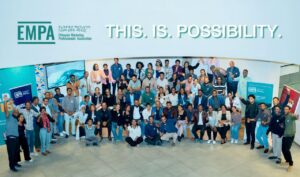
Ethiopia’s marketers gather to celebrate hosting next year’s conference – but with an eye on the hard work ahead.

Tech is creating more ways for audiences to connect, but lasting value will come from understanding the people behind those connections.

The new production line at the historic Maydon Wharf facility in Durban will address growing international demand.

Tanzania, Kenya, Zimbabwe, Ethiopia and South Africa all feature in the African meetings, incentives, conferences and exhibitions awards.
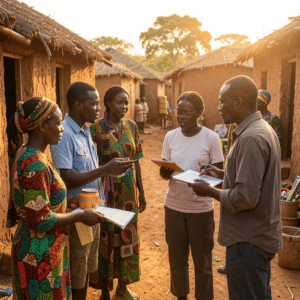
Much of the broader conversation around AI in market research assumes conditions that do not consistently exist across many African markets, writes Soyinka Witness.