It adds: “[The] latest data proves that the power of brand persists, with the combined value of the BrandZ global top 100 now a record US$13.1-trillion (up 22% on last year).”
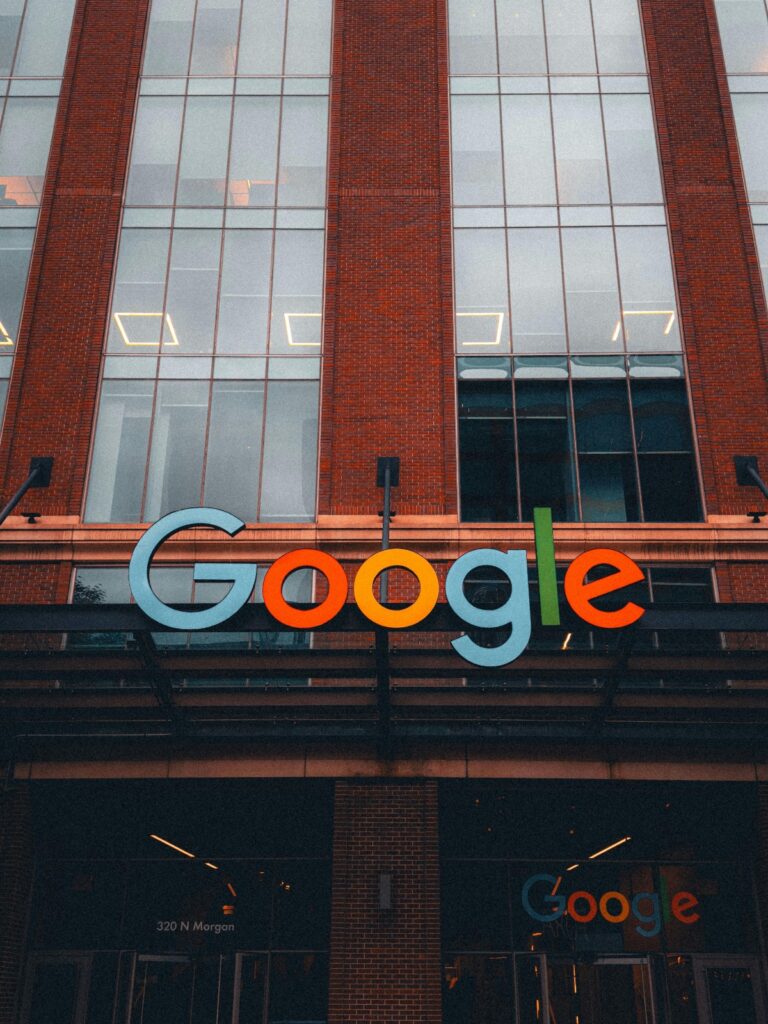
In a historic first, three brands have simultaneously broken the trillion-dollar threshold, with Google (no.1: $1.5-trillion), Microsoft (no.3: $1.1-trillion) and Amazon (no.4: $1.0-trillion) joining Apple (no.2: $1.4-trillion).
The other brands in the top 10 are:
- Amazon
- NVIDIA
- Facebook
- Instagram
- Tencent
- Oracle
- McDonald’s.
Google bites back at Apple
Google’s brand value surged by 57% year-on-year to claim the number one spot for the first time since 2018, ending Apple’s four consecutive years at the top. Its rise has been carefully built around the integration of Gemini artificial intelligence models into all existing products, the introduction of agentic features in search, and continued investment in data centres.
A standout in the ranking this year, Claude – the next-generation AI assistant developed by Anthropic – has debuted in the global top 100 at number 27, with a brand value of just under $100-billion. Meanwhile, ChatGPT recorded the highest year-on-year brand value increase, rising by 285%.
Comments Martin Guerrieria, head of Kantar BrandZ: “AI is accelerating growth. And it has also made marketing harder. Marketers are digesting more signals than ever, decisions have to be made faster, and it’s less clear what actually matters.
“The brands outperforming the market are using AI to bring judgement back into the system: to identify which signals to trust, connect what people are doing to real business choices, and do so quickly and confidently. In a market this fragmented, sustained growth is coming from clarity.”
Chinese brands continue to influence Western shores
A defining theme in this year’s BrandZ report is the continued rise in global prominence of Asian brands, with close to a quarter (23) originating from the region. This underscores their increasing significance in the global economy and their expanding market reach worldwide.
The strongest Chinese brand performers include Agricultural Bank of China (+54%), Alibaba (+51%), ICBC (+49%), Xiaomi (+48%), Tencent (+45%) and Ping An (+41%). Tencent has broken back into the top 10, entering at number 8 with a brand value of $251.6-billion.
You can download the full report here.