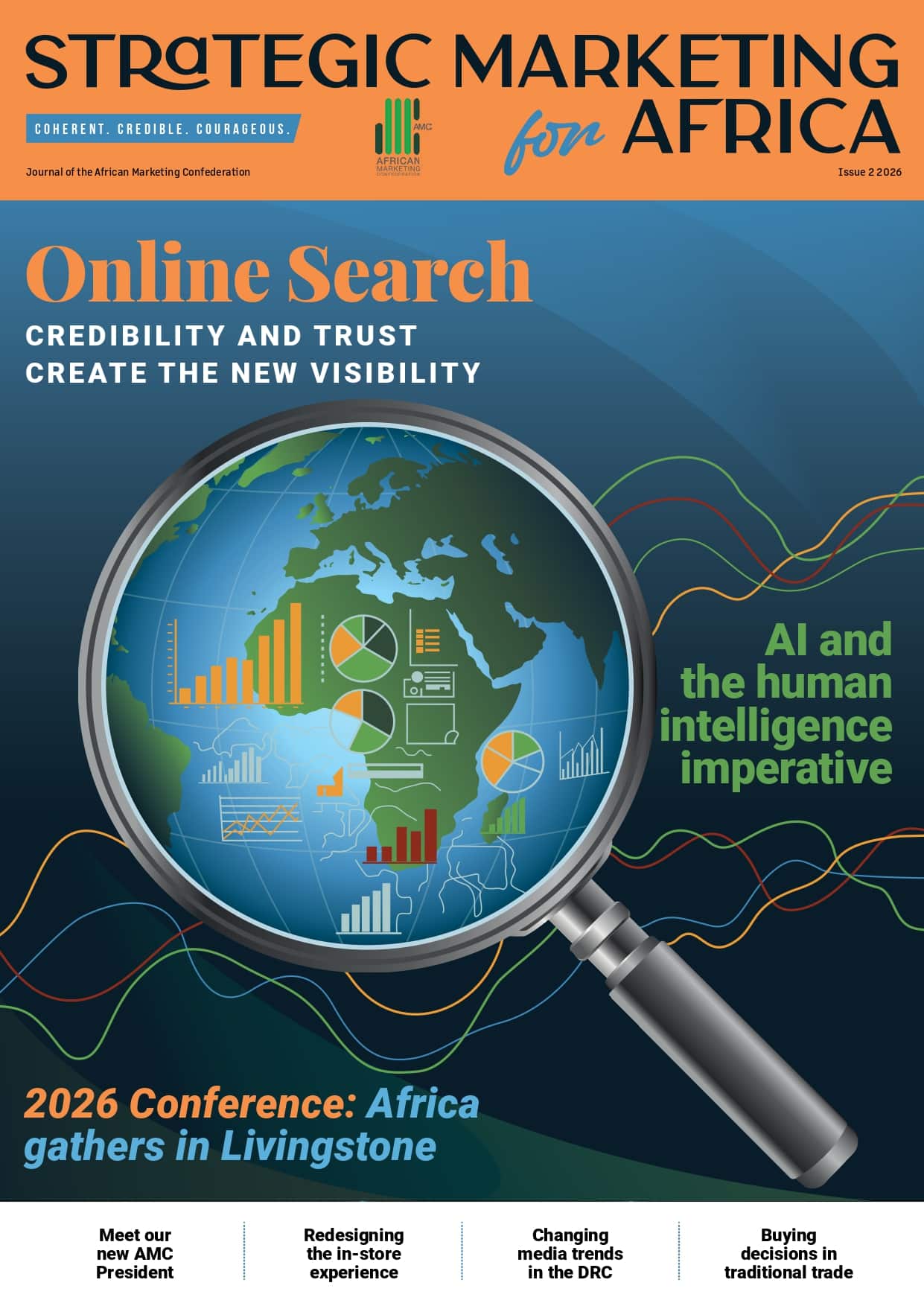
Here’s a selection of content highlights.
Search is fragmenting – credibility and trust create the new visibility
For decades, digital marketing has relied on a predictable strategy: ensure you rank on the first page of Google.
However, large language models (LLMs) have changed the dynamic, and marketers worry that search engine optimisation (SEO) may be going the way of the dodo. Do keywords, site structure and backlinks still matter in a ‘zero clicks’ environment in which users bypass the traditional blue links to company websites and social media platforms?
AI adoption and the human intelligence imperative in African marketing
AI adoption for marketers in Africa is arriving through individual practitioners solving a personal productivity problem and discovering that the tools work.
The 2024 Africa MSME Pulse Survey by GeoPoll and Africa 118 – conducted across South Africa, Nigeria, Kenya and Ethiopia – found that 58% of micro, small and medium enterprises (MSMEs) are actively using AI tools, with the primary uses being content creation, chatbots and social media design.
That is up from 29% of respondents reporting AI investment intent in the 2022 wave of the same survey, a near doubling in two years. In 2026, this adoption rate is only increasing. But what is happening underneath it is more complicated.
The split is not simply between those using AI and those who are not. It is between practitioners using it well and those who have handed their work to a tool they have not yet learned to direct. The outputs of these two groups look different, and the gap between them is widening.
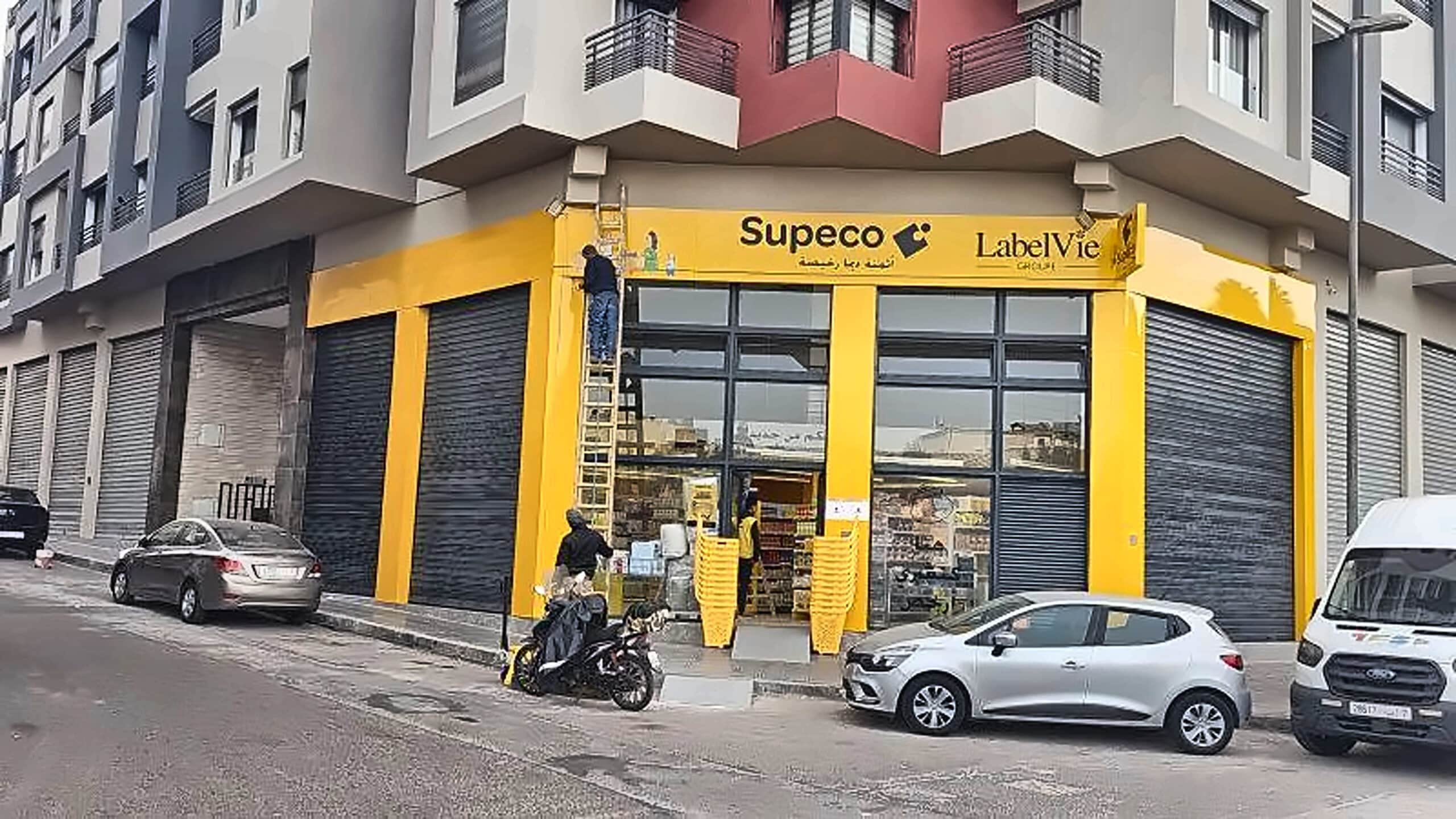
Retailers are quietly re-engineering the checkout – and removing friction
The checkout is no longer merely a payment point. It is becoming the intelligence layer of the store.
Across Africa, retailers are already experimenting with elements of this transition. Self-service checkouts are appearing in supermarket outlets such as Woolworths in South Africa, Model Foods in Namibia, and Carrefour franchise stores in Kenya.
Fast-food brands operating in Africa such as McDonald’s and KFC have also rolled out self-service kiosks which enable customers to place and pay for orders digitally. Mobile ordering is expanding across quick service restaurants.
But perhaps the most important transformation is happening beneath the surface. Modern checkout systems are increasingly connected directly into broader operational ecosystems. Every transaction becomes a live data signal feeding the retailer’s inventory systems, replenishment engines, demand forecasting tools, loyalty platforms and shrink management systems.
You will find these stories, and many more, in Strategic Marketing for Africa – the voice of African marketing and the official publication of the African Marketing Confederation (AMC). Read or download Issue 2 2026 online here. The Print Edition is also available.