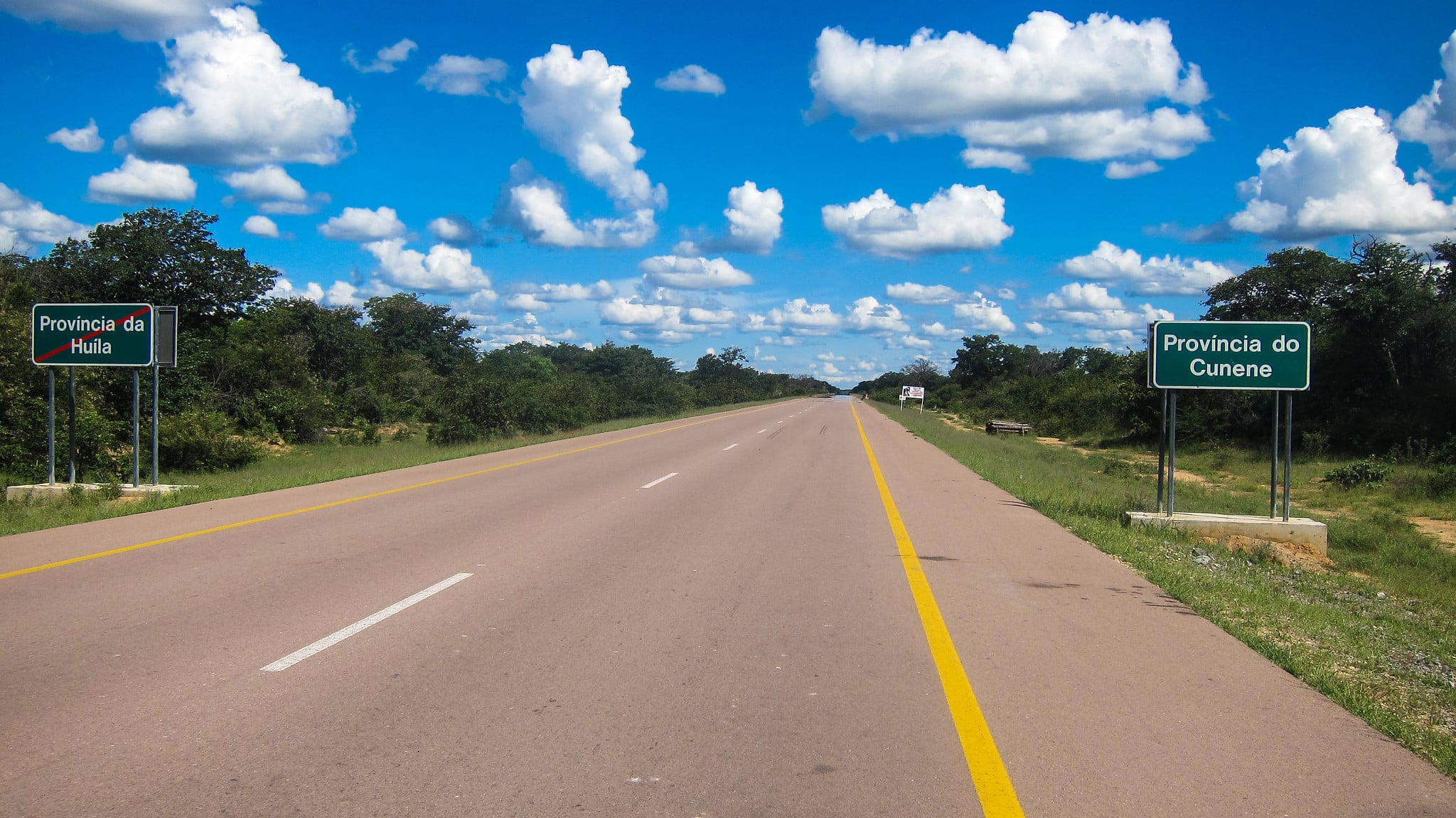
Angola’s plans for a West-East highway stretching more than 1,300 kilometres and connecting five Angolan provinces has taken a step forward with the announcement a US$21-million agreement to finance technical studies and engineering design.
Ultimately, it is intended that the highway will extend to the DRC and Zambia, strengthening regional trade corridors.
The project forms part of a broader strategy to position Angola as a logistics hub in Southern and Central Africa and is being positioned as a road-transport counterpart to the Lobito Railway Corridor.
It was launched on 27 July at an event in Luanda hosted by the Ministry of Public Works, Urban Planning and Housing. A memorandum of understanding was signed for the technical study to commence, as well as securing funding from financial institutions for the initial phase.
The agreement, which the National Roads Institute of Angola (INEA) signed with GAV Construções, provides for a phased implementation of the project.
The first phase will last one year and will focus on economic, financial and traffic feasibility studies, reports Ecofin news agency.
Construction is expected to take about 10 years
After completing those studies, the government will determine the project’s implementation model. Authorities expect construction to take around 10 years, reflecting the scale of the infrastructure.
“The initiative comes as Angola has been pursuing an aggressive programme of motorway expansion after decades with virtually no such infrastructure,” says the prominent Angolan economic and financial publication, Jornal Mercado.
“According to data from the Ministry of Public Works, approximately 58.7% of Angola’s national road network remains unpaved, underscoring the strategic importance of projects of this scale for improving internal mobility and facilitating the movement of goods between regions.”
Jornal Mercado adds: “The Angolan government expects the combined projects to fundamentally transform the country’s transport network over the coming years, facilitating the movement of people and goods and deepening Angola’s connectivity with neighbouring countries in the region.”