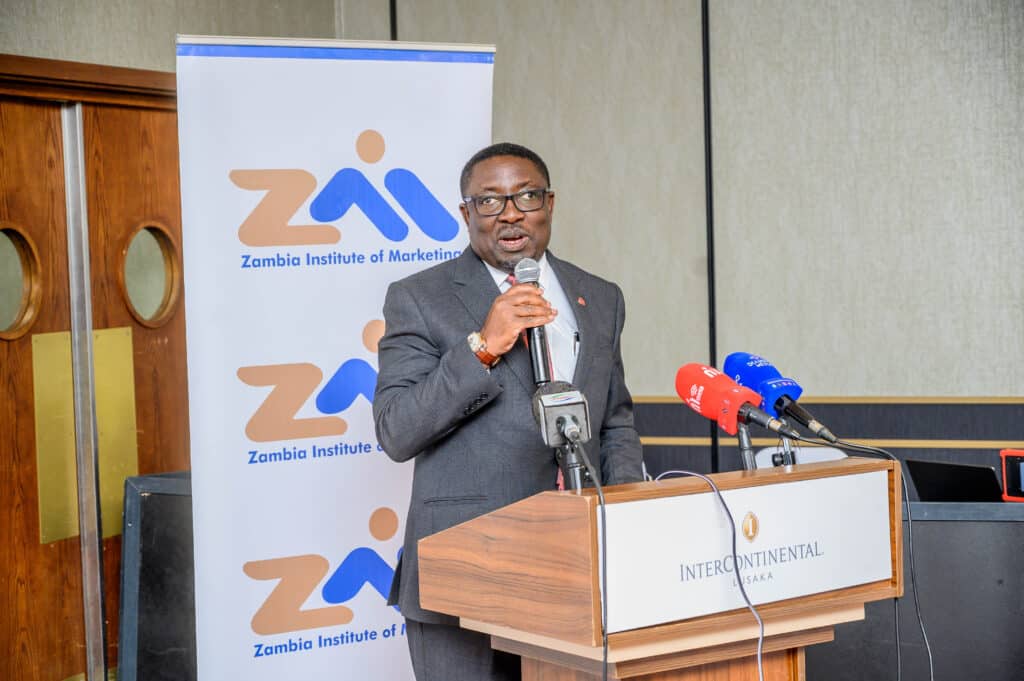
When Morocco reached the semi-finals of the 2022 World Cup, millions of people with no connection to the kingdom followed the story. It was the deepest any African side had ever gone in the tournament – and the continent held its breath together, says Matongo Matamwandi, President of the African Marketing Confederation.
Four years later, Africa has fielded a record number of teams and some of football’s most recognisable stars at the 2026 World Cup.
This is certainly not Africa’s first turn on football’s biggest stage. In 2010, Shakira’s Waka Waka became the South African tournament’s anthem even though the beat came from Cape Town’s Freshlyground, who added the song’s bridge, and vocals in Xhosa, and their signature Afro-fusion instrumentation such as African-inspired percussion, guitar and flute lines.
While the world belted along – with Waka Waka eventually being downloaded 15-million times – Shakira eclipsed Freshlyground even as she sang about this time being for Africa.
Culture in our veins
The African Marketing Confederation (AMC) President says Freshlyground is one band that typifies talent, skill, vibrance and rich heritage – characteristics that are embedded in our continent’s culture. Nigerian artists, Burna Boy, Wizkid, Tems and Rema, are top of the international charts. South Africa’s Tyla introduced millions to Amapiano (a dynamic South African dance music genre that emerged in the townships of Johannesburg and Pretoria in the mid-2010s) through a single global hit.
Nigerian authors Chimamanda Ngozi Adichie and Chinua Achebe are read worldwide, with Achebe’s Things Fall Apart remaining a top novel almost 70 years after he penned it. Nollywood is one of the largest film industries on earth by output.
Matamwandi believes these are not niche success stories. They are mainstream, global and growing.
More importantly, they demonstrate that audiences around the world are already engaging with African stories, talent and creativity. The challenge is that those stories are often consumed as individual successes rather than as part of a broader narrative about the continent itself as they are almost always told in isolation.
Burna Boy is a Nigerian artist. Tyla is a South African singer. Mohamed Salah is an Egyptian footballer. Their achievements reflect positively on their home countries but rarely are they framed as part of a broader African story.
Emotional power of African talent
The emotional power of African talent is captured market by market, country by country, while Africa as a continent is not seen as a brand. This changes when our players run onto the field.
Watching soccer together in venues across Africa fills us with a sense of belonging. Each time one of ‘our’ – and we should, and do, claim all African footballers as ‘ours’ – crosses into the opposing side’s half, we are filled with optimism.
The question, the AMC President emphasises, is whether we can take that instinct, that pride, and that sense of belonging off the pitch and turn those feelings – that brands across the globe will pay billions for – into something that advances Africa as a whole. The World Cup offers a rare opportunity to do that.
Own the continental brand
A unified African narrative would not replace national identities or achievements, but rather connect them.
Rather than building campaigns around individual countries, brands could tap into themes that resonate across borders: achievement, ambition, creativity, excellence. The opportunity is not simply to celebrate football success, but to tell a larger story about Africa’s growing presence on the world stage.
If the tournament helps create even a small shift from, my country is succeeding’ to ‘Africa is succeeding’, it could become one of the most powerful brand-building moments the continent has seen.
Not by treating Africa as a single market, but by recognising the pride, aspiration and sense of possibility that increasingly connect audiences across its borders. Africa has never lacked talent, creativity or ambition.
What it has often lacked is a stage large enough to showcase them all at once. The World Cup may be one of those rare moments well beyond the final whistle.
“That conversation continues in Livingstone, Zambia, from Wednesday, 23 to Friday, 25 September, where the 2026 African Marketing Confederation conference hosts some of the world’s top marketers – and showcases the seventh wonder of the world, the Victoria Falls, the Smoke That Thunders, Mosi-oa-Tunya – as we reposition Brand Africa,” Matamwandi says.