
Airline body urges African governments to act on opening market access
‘Strategies don’t move people. Now it is time to make the difficult decisions and execute them,’ senior executive stresses.
MERGERS & ACQUISITIONS
By our News Team | 2023
SA’s Competition Tribunal follows its Namibian counterpart by clearing the way for a new local beer and beverages giant to take on AB InBev.
South Africa’s Competition Tribunal has conditionally approved the takeover of the country’s largest liquor firm, Distell, by Dutch-based brewing giant Heineken for around US$2.1-billion.
In a statement released late last week, Heineken noted: “The decision marks the final regulatory approval, following those received from the Namibia Competition Commission, the Common Market of Eastern & Southern Africa and all other relevant jurisdictions. It paves the way for the creation of a regional African beverage champion”.
Photo by Alexandre Cruz from Pexels
In November 2021, Heineken announced its intention to acquire control of Distell and Namibia Breweries Limited, with the intention of combining them with Heineken South Africa to create a new business called Newco. Heineken is to have a 65% shareholding in Newco, which will have its headquarters in South Africa.
Distell’s brands include Durbanville Hills and Nederburg (both wines), Amarula (liquor), Savanna and Hunter’s Dry (both cider). Namibia Breweries brands include Windhoek and Tafel (both beer), Strongbow (cider) and Fruitree (fruit juice).
Heineken’s portfolio includes its well-known Heineken beer brand as well as around 300 international, regional, local and specialty beers. It employs around 85,000 people and operates in approximately 70 countries.
Creation of a ‘regional beverage champion’
“We are delighted the Competition Tribunal has approved the deal. We are very excited to bring together three strong businesses to create a regional beverage champion, with a unique multi-category offer to better serve consumers, customers and create shared societal value across southern Africa,” said Heineken’s CEO and Chairman of the Executive Board, Dolf van den Brink.
“We are committed to being a strong partner for growth and making a positive impact in the communities in which we operate, and the proactive and comprehensive public interest package we’ve put forward is testament to that.”
Heineken’s ‘public interest package’ includes ongoing business investment, broad-based black economic empowerment, job creation, localisation and supplier development, talent development, and contribution to the economic development of the region.
Analysts say the new business will likely create greater regional competition for Belgian multinational drink and brewing company AB InBev, which owns SABMiller. The latter incorporates South African Breweries (SAB).

‘Strategies don’t move people. Now it is time to make the difficult decisions and execute them,’ senior executive stresses.

UTB says its ambition is to turn the visibility into interest, bookings and more visitors choosing to explore Uganda.

Short ads shown on TV increased website visits within five minutes of airing by 10-40% compared with longer advertisements.
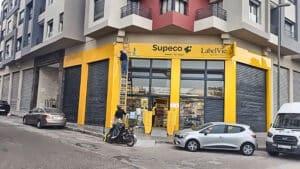
Supeco’s rapid expansion shows how the discount model is becoming a bigger part of grocery retail in the North African country.

Consumers reward visible eco-friendly additions such as reusable bottles, but give little credit to businesses that reduce or remove products.
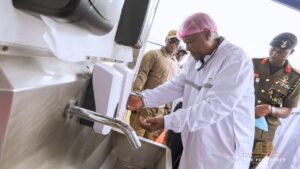
Nestlé believes Ghana will continue to play a leading role in the future of Central and West Africa.
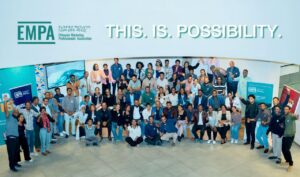
Ethiopia’s marketers gather to celebrate hosting next year’s conference – but with an eye on the hard work ahead.

Tech is creating more ways for audiences to connect, but lasting value will come from understanding the people behind those connections.
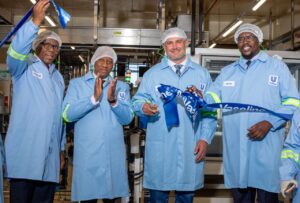
The new production line at the historic Maydon Wharf facility in Durban will address growing international demand.

Tanzania, Kenya, Zimbabwe, Ethiopia and South Africa all feature in the African meetings, incentives, conferences and exhibitions awards.
Much of the broader conversation around AI in market research assumes conditions that do not consistently exist across many African markets, writes Soyinka Witness.