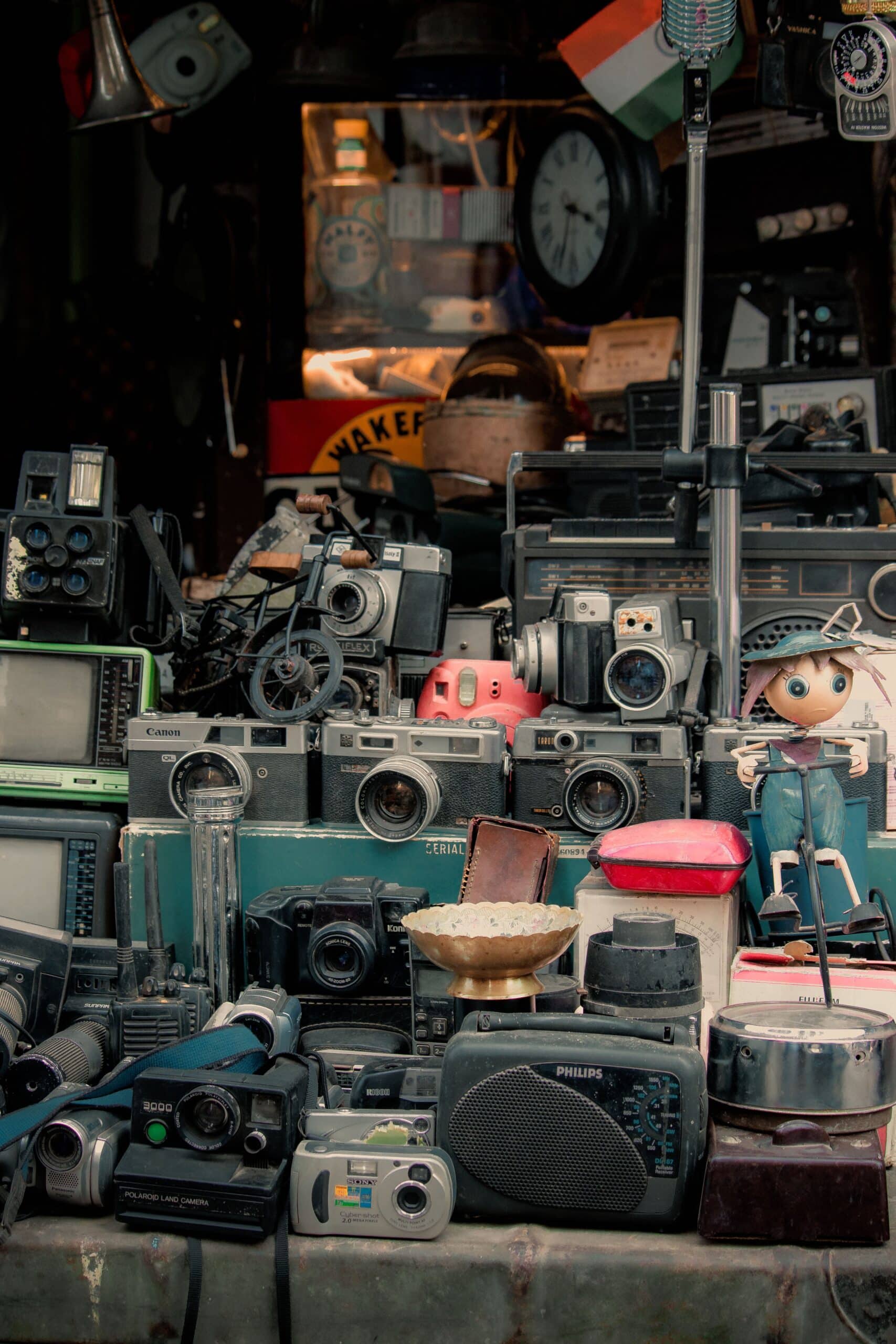
Warren and Farmer wanted to help marketers and brand managers know they’re making the right decisions when banking on nostalgia.
Previous efforts to measure the feeling focused on specific events or the past as a general concept, but Warren says people actually feel nostalgic for periods of time – either personal eras like teen years or collective experiences like the 1950s. By understanding those preferences, brands can better predict consumer habits.
Which era brings the warmest feelings?
“If you want to evoke nostalgia, you need to figure out which era of the past your consumers feel the most loss toward, the most idealistic about, and have the warmest feelings toward,” Warren says.
“Just choosing the time when your target audience was in their 20s or late teens won’t work for a lot of people, especially as products and brands become more segmented based on values and ideologies rather than just age.”
The researchers reviewed consumer essays, previous research, news coverage and more than 200 advertisements. Through that work they defined nostalgia as composed of three parts: warmth felt remembering the past, loss that time has moved on, and the idealisation that life was less complicated and more carefree back then.
After identifying the key components of nostalgia, the team assessed how much an era makes someone reminisce by asking hundreds of people to identify for which decade they felt most nostalgic. Fewer than half chose their formative years.
“While we may in a lot of ways be at our peak in our early 20s, some people may have … had some other extraordinary experience in their 30s, 40s, or maybe even 80s.” Warren notes.
“What our model can predict is that someone may be more nostalgic for [a time other than] their earlier years. If a group of people see the 1950s, the 1980s or even the Old West as the ‘Golden Age,’ then those are the eras you should portray in your advertisements to make them feel the most nostalgic.”
Verifying the research
Warren and Farmer then verified their work by showing people who indicated a preference for the 1990s both contemporary and period-specific advertising for online marketplace eBay, and recorded those people feeling more positively towards the brand after the older ad.
When the experiment was repeated with people who preferred other decades, the ’90s marketing material had no effect.
From these experiments, they developed a scale that measures nostalgia for eras and helps answer practical questions about nostalgic marketing.
“Across five studies, we demonstrate the validity of this scale and show that it predicts which consumers will respond more favourably to nostalgic ads and cultural products that evoke a given era. This research empowers advertisers to elicit nostalgia more effectively and provides researchers a framework to investigate how consumers respond to these efforts,” the research team states.
You can find out more about the study here.