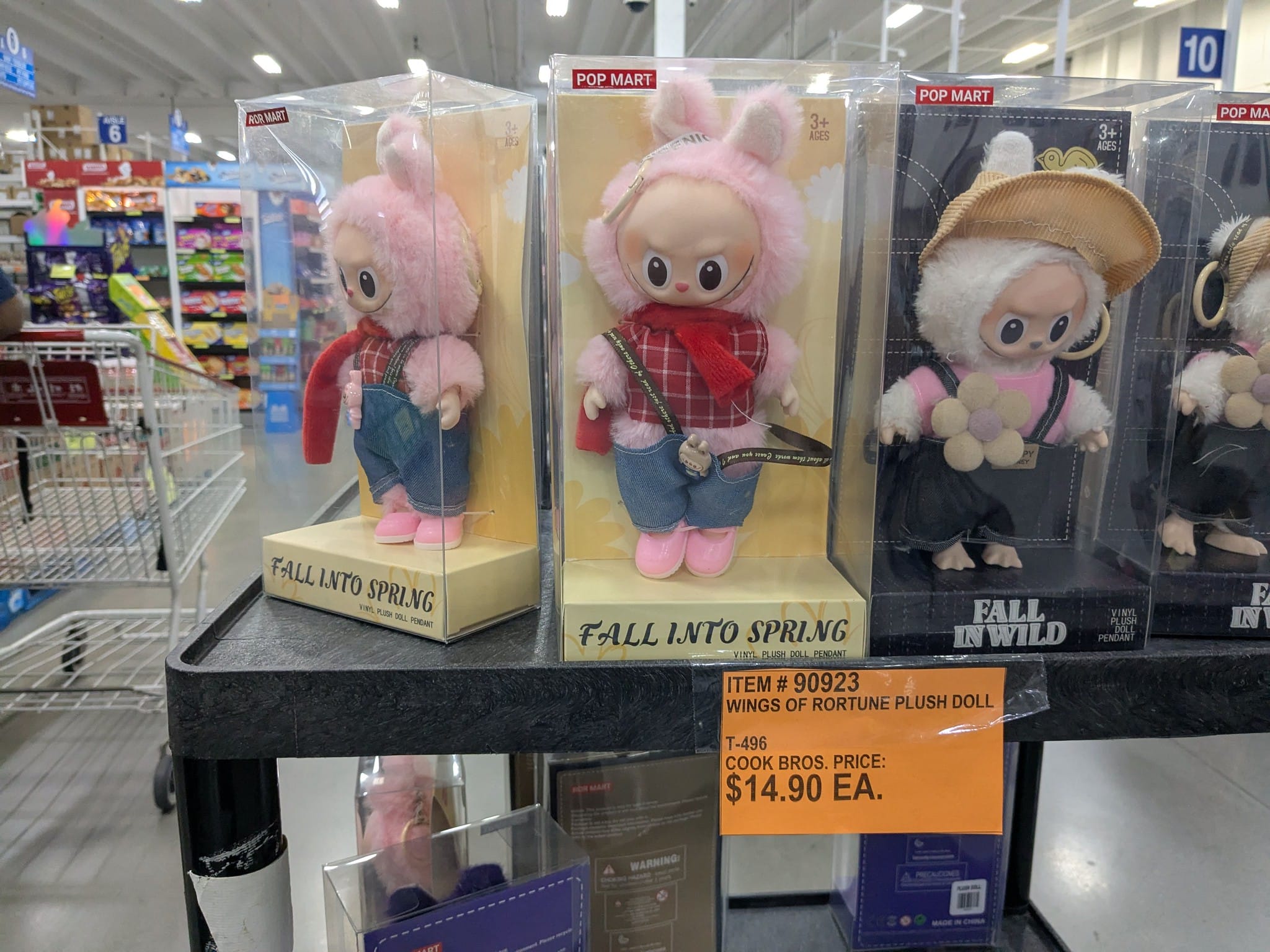
A teenager in Shanghai will wait in line for hours to get a Labubu doll. Meanwhile, a shopper in the US might drive across town to buy a robotic vacuum. Although buyers might call these products ‘cool’, research shows they do so for entirely different reasons.
A new study from Gerard Tellis, Professor Emeritus of Marketing at the University of Southern California, and two co-authors suggests consumers have two primary definitions of cool.
One type of cool refers to what a product signals about the owner’s status, while the other refers to the product’s utility. Understanding that distinction, the researchers argue, can help global brands decide which products to sell, where to sell them, and how best to market them.
The findings of Tellis and co-authors Gratiana Pol (CEO of research technology company Hyperthesis) and Eden Yin (Associate Professor in Marketing at the University of Cambridge) are published in the Journal of International Marketing and titled ‘What Makes a Product Cool? Consumer Perceptions of Product Coolness Across Three Cultures’.
The authors identify two distinct paths to product appeal. The first is personal: A product may be cool because its features are useful to the consumer or advanced enough to inspire awe. An example could be a self-emptying robotic vacuum.
The second is social: A product is cool because it signals cultural relevance and social cachet. Perhaps a celebrity is photographed with it, or an influencer features it in a video. Suddenly, owning the product signals social belonging.
For example, the study explains that Labubu dolls sell out not because of what they do, but because friends or singer-songwriters such as Rihanna or Dua Lipa already have one. Designer handbags work much the same way: the craftsmanship matters, but the status associated with the brand matters more.
Although the research found that consumers in all three countries analysed – Germany, China and the US – recognised both personal and social forms of coolness, buyers in different countries were more motivated by one factor over another.
Motivated by one factor over another
People in the United States and Germany more frequently purchased products for their usefulness, while Chinese consumers were incentivised by items that conveyed social status. Chinese consumers were also more motivated to buy a product after others personally labelled it ‘cool’.
Despite these differences, the researchers found some common ground. Across cultures, genuinely useful products were more likely to stay cool over time, while products driven mainly by trends and social attention more rapidly lost their appeal.
Another consistent factor across all three countries was appearance. Consumers in all the countries strongly associated an appealing visual design with coolness.
According to Tellis, marketers have significant incentives to understand the nuances of being cool. While in the US a smartphone advertisement may emphasise camera and battery life, in China that same company may highlight what purchasing the phone says about the owner and their self-image.
Tellis also emphasises the risks in ignoring these cultural associations. Lean too hard on celebrity buzz in an achievement-oriented market, and brands risk making products look shallow. Lean too hard on function in a market that prizes status, and brands may miss opportunities to highlight what a product says about the buyer’s social standing.
You can find out more about the research here.