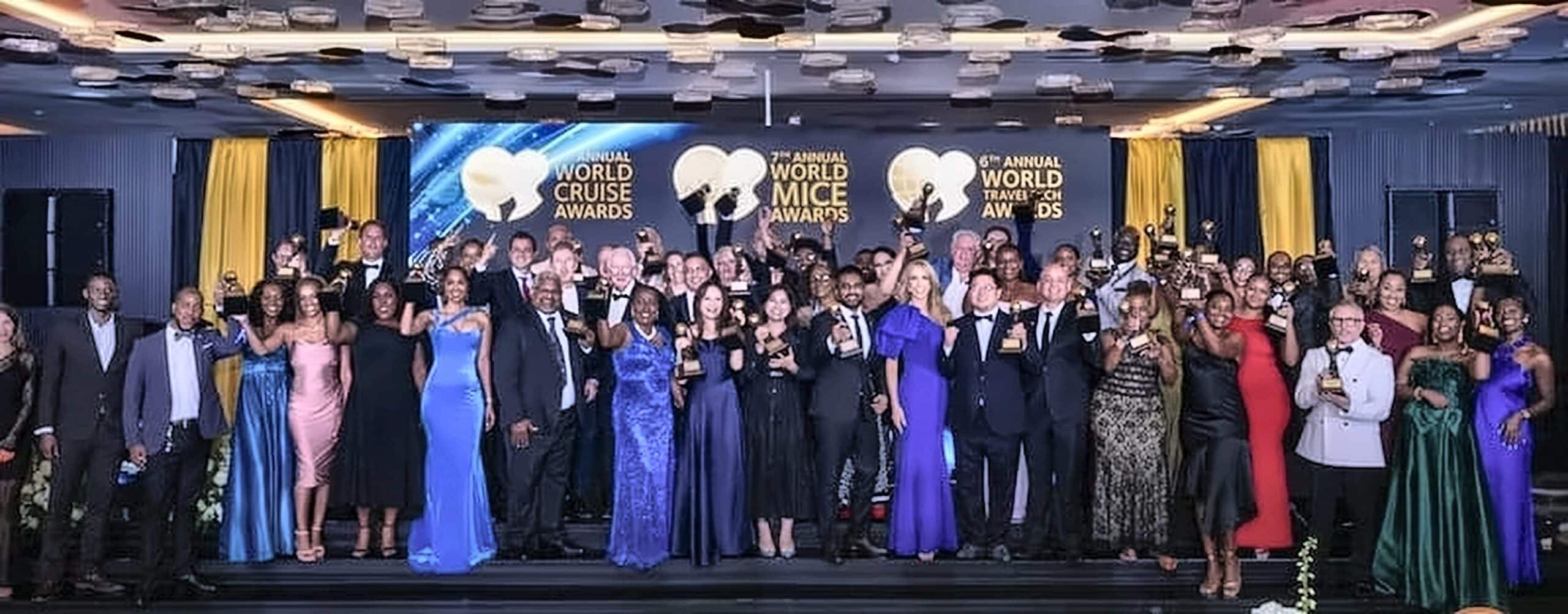
World MICE Awards in Jamaica honour best African and global achievers
Tanzania, Kenya, Zimbabwe, Ethiopia and South Africa all feature in the African meetings, incentives, conferences and exhibitions awards.
BUSINESS STRATEGY
By our African Marketing Confederation News Team | 2026
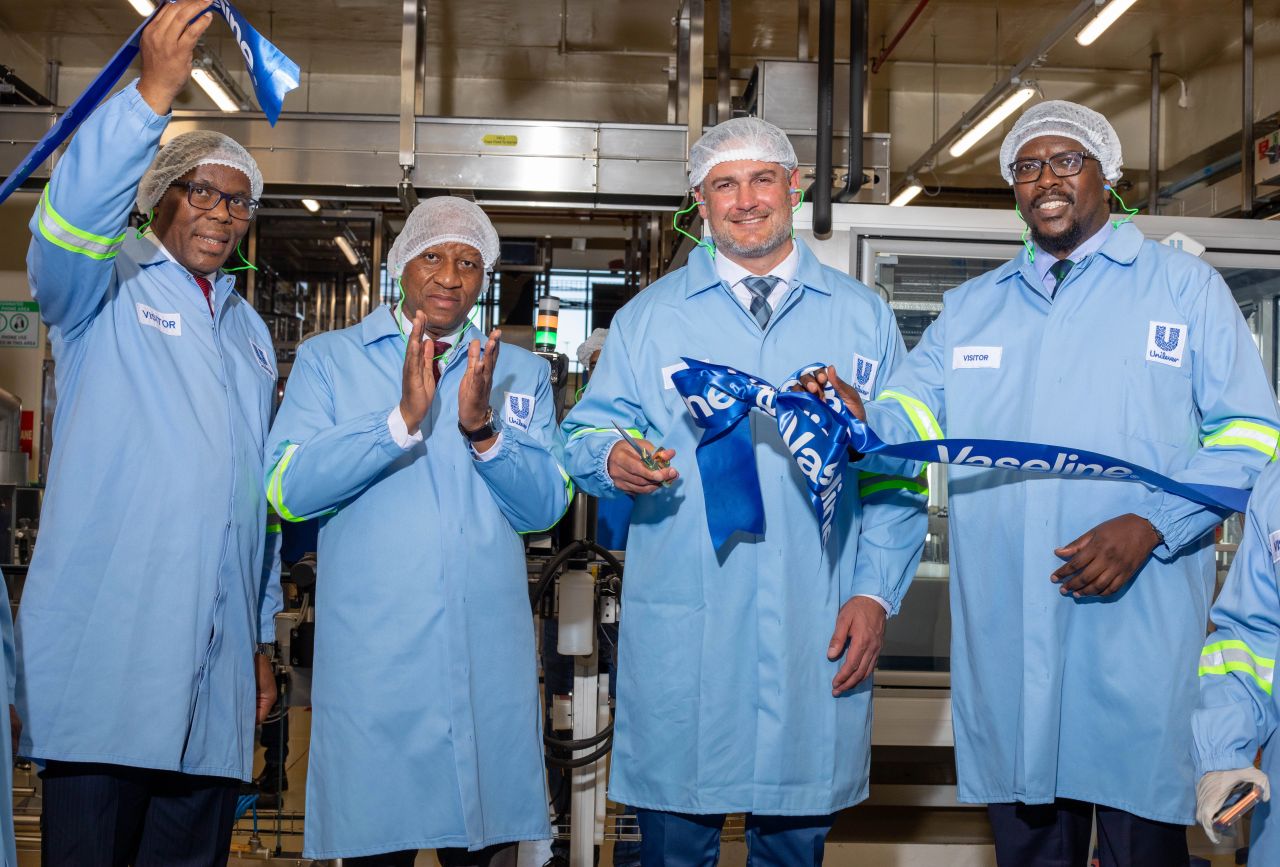
The new production line at the historic Maydon Wharf facility in Durban will address growing international demand.
Unilever’s new production line becomes operational
FMCG giant Unilever has invested an additional US$6-million (R100-million) in a new Vaseline Petroleum Jelly production line in Durban, South Africa.
The Maydon Wharf plant supplies approximately 60% of Unilever’s global Vaseline volume and will address growing demand across Africa and international markets.
Vaseline Petroleum Jelly is a purified mixture of mineral oils and natural waxes which sits on top of the skin to form a physical barrier that locks in existing moisture and seals out external elements. It was originally patented by chemist Robert Chesebrough in the 19th century.
“This additional … investment strengthens our ability to manufacture trusted brands locally, supports jobs and skills development, and reinforces South Africa’s role as a strategic manufacturing hub serving both regional and global markets,” says Stefan Cloete, CEO of Unilever Southern Africa.
“This investment is a vote of confidence in South Africa’s manufacturing future and in the talented people who make Maydon Wharf such an important part of Unilever’s growth story.”
Maydon Wharf a part of company history
Established in 1912, the Maydon Wharf plant was at the time Unilever’s second manufacturing facility established globally.
Today, Maydon Wharf produces approximately 140,000 tons of products annually across more than 20 production lines. It manufactures some of Unilever’s most iconic brands – including Lux, Lifebuoy and Sunlight – and exports widely.
Comments Cloete in a LinkedIn post: “What stood out most [at the official ceremony] today was the power of partnership. Manufacturing growth depends on people, infrastructure, ports, logistics, suppliers, municipalities, regulators and shared confidence in the future of industry.”

Tanzania, Kenya, Zimbabwe, Ethiopia and South Africa all feature in the African meetings, incentives, conferences and exhibitions awards.
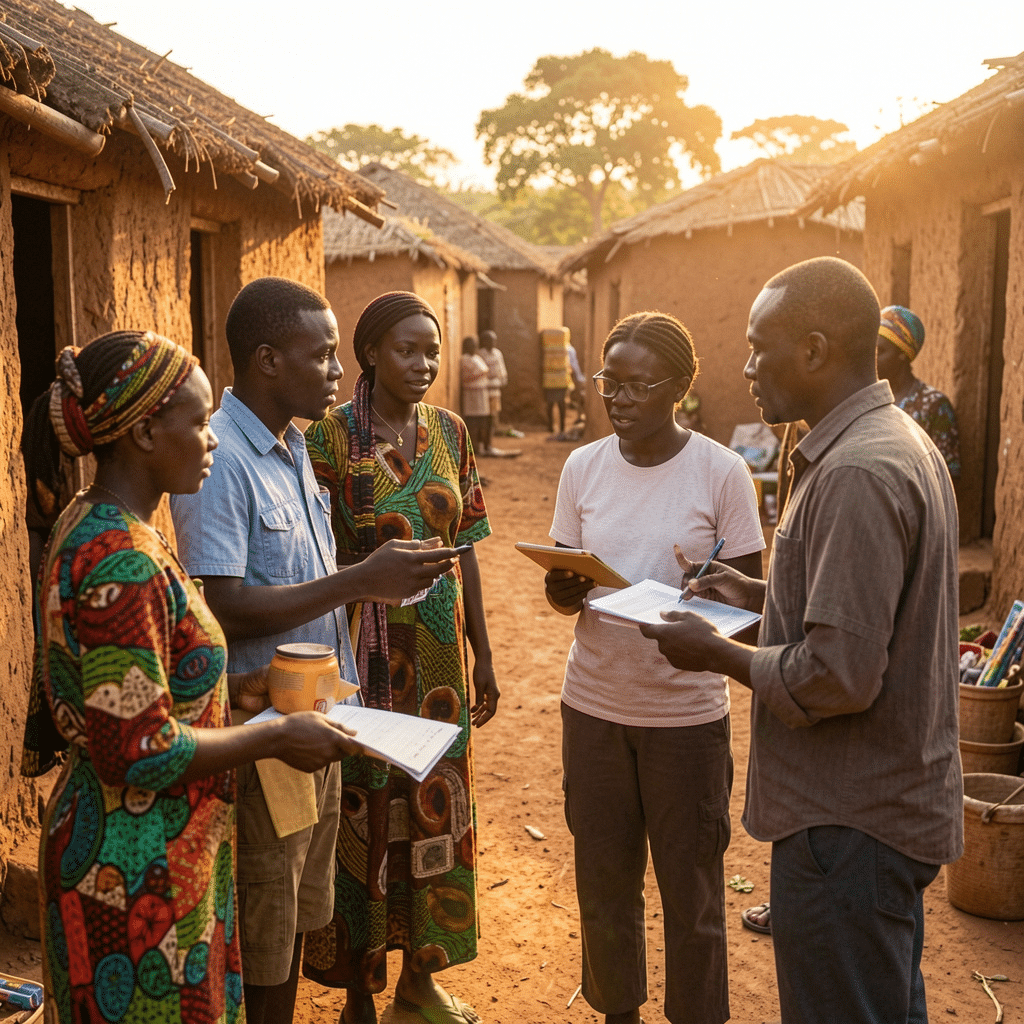
Much of the broader conversation around AI in market research assumes conditions that do not consistently exist across many African markets, writes Soyinka Witness.
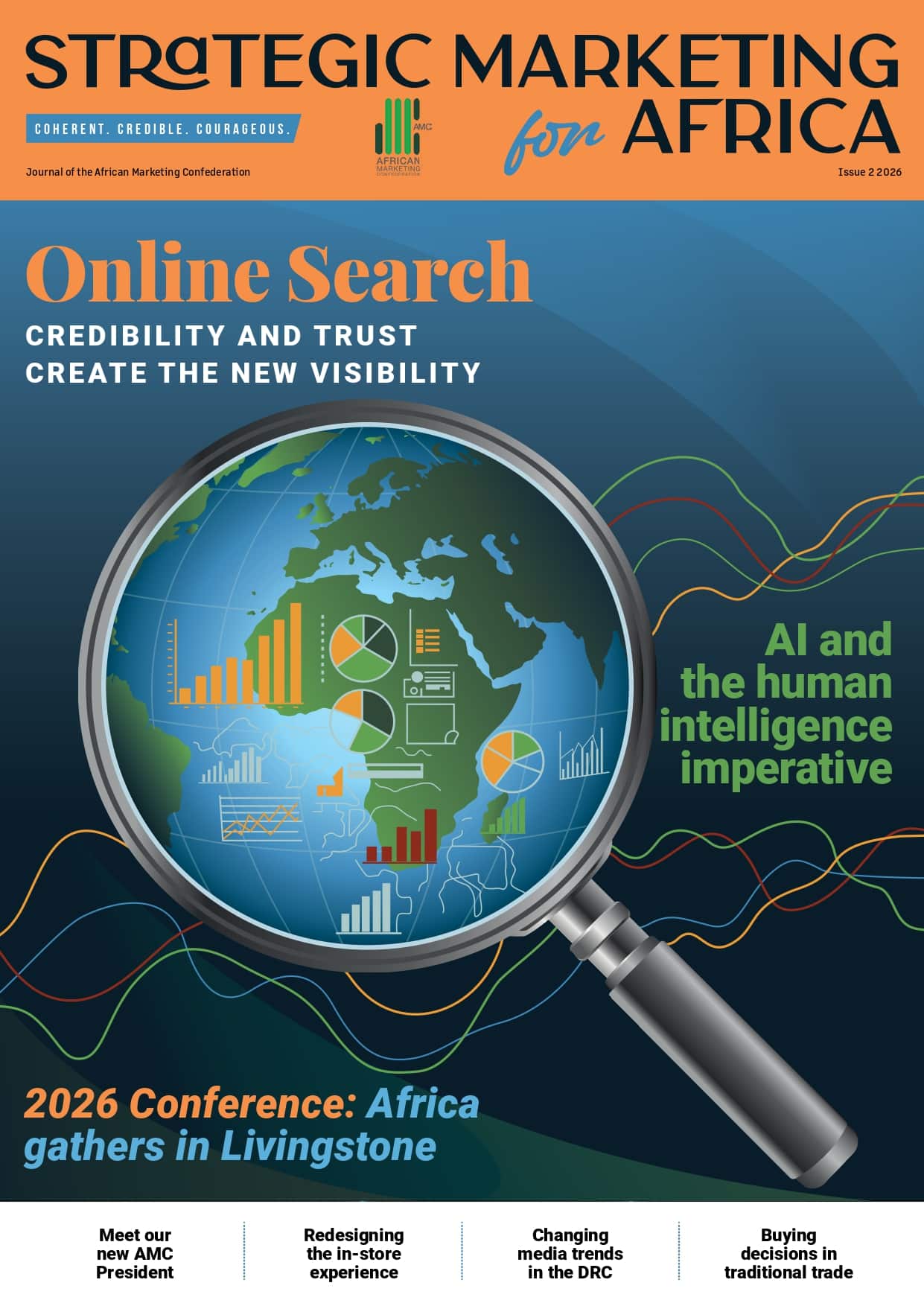
Strategic Marketing for Africa, the publication for deep-thinking African marketing professionals, is not to be missed.

Rwanda’s marketing body is enthusiastic about the F1 announcement, emphasising that ‘investors and visitors follow governance, not slogans’.