
Researchers explain why 10-second micro ads outperform longer spots
Short ads shown on TV increased website visits within five minutes of airing by 10-40% compared with longer advertisements.
RETAIL STRATEGY
By our News Team | 2021
Shoprite Group unveils its first automated and cashless ‘no queues, no checkout, no waiting’ concept store.
Pan-African supermarket group Shoprite has begun trialling a cashless and checkout-free concept store called Checkers Rush.
The store, which is operating in Cape Town and only available to employees at this stage, may be launched in other African locations if the trial proves a success.
According to Shoprite, Checkers Rush is an automated, cashless ‘no queues, no checkout, no waiting’ concept where staff can grab products and walk out.
And in case you think this sounds like an open invitation to the dishonest, the store uses advanced artificial intelligence (AI) camera technology to identify the products being taken off the shelves. It then debits the user’s nominated credit card or bank account upon exit from the store.
Checkout-free shopping is becoming more common around the world. Amazon, for example, uses it for many of its Amazon Fresh outlets in the United States and elsewhere.
According to retail industry research, current machine-learning algorithms can already assign goods to shoppers as accurately as the average cashier, making checkout-free shopping both practical and economically viable.
Data-driven marketers can gain robust analytics
From a data perspective, retailers’ marketing teams can gain robust analytics on product movements, buying trends and customers’ purchasing behaviour.
The unveiling of the Checkers Rush concept is part of the launch of the Shoprite Group’s new digital business unit, dubbed Shopritex.
Incubated over the past year, the Shopritex unit is combining data science and technology to create more personalised shopping experiences for customers. It has already delivered two innovations – the fast-growing Xtra Savings rewards programme, and Checkers’ popular ‘Sixty60’ on-demand grocery delivery service that promises home delivery within 60 minutes.
The new division’s 250-strong staff complement includes data science, e-commerce and personalisation experts. They work with Shoprite’s IT team to form a combined group of over 1,000 people working to create and implement new innovations.
“We are serious about being Africa’s most customer-centric retailer, and the launch of Shopritex represents our investment in fit-for-the-future precision retail, which is increasingly digital and data-led,” said Pieter Engelbrecht, CEO of the Shoprite Group.
Watch a video about Shopritex here: https://www.youtube.com/watch?v=15aSCJ9pBaI

Short ads shown on TV increased website visits within five minutes of airing by 10-40% compared with longer advertisements.
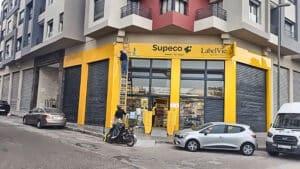
Supeco’s rapid expansion shows how the discount model is becoming a bigger part of grocery retail in the North African country.

Consumers reward visible eco-friendly additions such as reusable bottles, but give little credit to businesses that reduce or remove products.
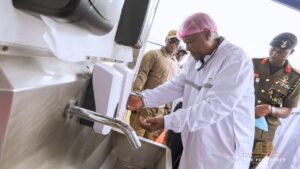
Nestlé believes Ghana will continue to play a leading role in the future of Central and West Africa.

Ethiopia’s marketers gather to celebrate hosting next year’s conference – but with an eye on the hard work ahead.

Tech is creating more ways for audiences to connect, but lasting value will come from understanding the people behind those connections.

The new production line at the historic Maydon Wharf facility in Durban will address growing international demand.

Tanzania, Kenya, Zimbabwe, Ethiopia and South Africa all feature in the African meetings, incentives, conferences and exhibitions awards.

Much of the broader conversation around AI in market research assumes conditions that do not consistently exist across many African markets, writes Soyinka Witness.
Strategic Marketing for Africa, the publication for deep-thinking African marketing professionals, is not to be missed.

Rwanda’s marketing body is enthusiastic about the F1 announcement, emphasising that ‘investors and visitors follow governance, not slogans’.