
Researchers explain why 10-second micro ads outperform longer spots
Short ads shown on TV increased website visits within five minutes of airing by 10-40% compared with longer advertisements.
ONLINE SHOPPING
By our African Marketing Confederation News Team | 2024
Can smaller single-brand online retailers beat the dominance of the big players such as Amazon? A study finds there are ways.
Do brands stand a chance of eroding the dominance of giants like Amazon with their own online shops? A study recently released by professors Jan Becker and Christian Barrot of Kühne Logistics University (KLU) in Germany finds the answer is ‘yes’.
The believe brand-operated online shops that sell directly to customers (D2C) can indeed compete with major merchants, especially when it comes to exclusive and personalised products, where customers intensively inform themselves before making a purchase.
The study, titled ‘Understanding customers’ choice for digital D2C versus multi-brand operations’, has been published in the peer-reviewed Journal of Retailing.
It shows how brands can get their online shops in the best possible shape, and who has the competitive edge at different points in the purchase decision-making process.
In the dynamic and competitive field of digital retail, navigating potential customers is vital to success. As the study by a team led by Becker and Barrot shows, consumers prefer the personalisation, additional information and selection offered by smaller D2C online shops – even before they’ve given any thought to the product they’re looking for.
Photo by Kindel Media from Pexels
Concrete tips for retailers
The most decisive factor is the personalisation of the customer’s experience at the online shop, the study concludes.
Retailers can flourish by focusing on product categories with more product-mix depth when setting up their D2C online shops. At the same time, they should pursue selective marketing strategies for exclusive products.
“Direct sales strategies hold considerable potential,” says Professor Becker. “Understanding consumer preferences and properly integrating the category qualities of their products means staying competitive on the digital marketplace.
“Our research offers valuable insights for branded companies looking to optimise their omni-channel strategy and D2C operations.”
You can find out more about the study here.

Short ads shown on TV increased website visits within five minutes of airing by 10-40% compared with longer advertisements.

Supeco’s rapid expansion shows how the discount model is becoming a bigger part of grocery retail in the North African country.

Consumers reward visible eco-friendly additions such as reusable bottles, but give little credit to businesses that reduce or remove products.

Nestlé believes Ghana will continue to play a leading role in the future of Central and West Africa.

Ethiopia’s marketers gather to celebrate hosting next year’s conference – but with an eye on the hard work ahead.

Tech is creating more ways for audiences to connect, but lasting value will come from understanding the people behind those connections.

The new production line at the historic Maydon Wharf facility in Durban will address growing international demand.

Tanzania, Kenya, Zimbabwe, Ethiopia and South Africa all feature in the African meetings, incentives, conferences and exhibitions awards.

Much of the broader conversation around AI in market research assumes conditions that do not consistently exist across many African markets, writes Soyinka Witness.
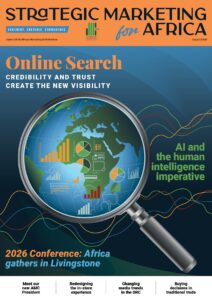
Strategic Marketing for Africa, the publication for deep-thinking African marketing professionals, is not to be missed.

Rwanda’s marketing body is enthusiastic about the F1 announcement, emphasising that ‘investors and visitors follow governance, not slogans’.