SOCIAL MEDIA

How influencers increase the toxicity and power of misinformation

By our African Marketing Confederation News Team | 2026

Despite the often-positive impact of influencers on marketing outcomes, their prominence also introduces new risks for brands.

Social media influencers can perpetuate the flow of misinformation online because of the unique relationship they have with their followers, research led by Cardiff Business School in the UK finds.


Published in the journal Psychology & Marketing, academics analysed brand-related misinformation and associated user comments spanning 47 brands, across nine industries, over a three-year period. It is claimed to be the first study to measure the extent and types of toxicity generated by influencers versus regular users.

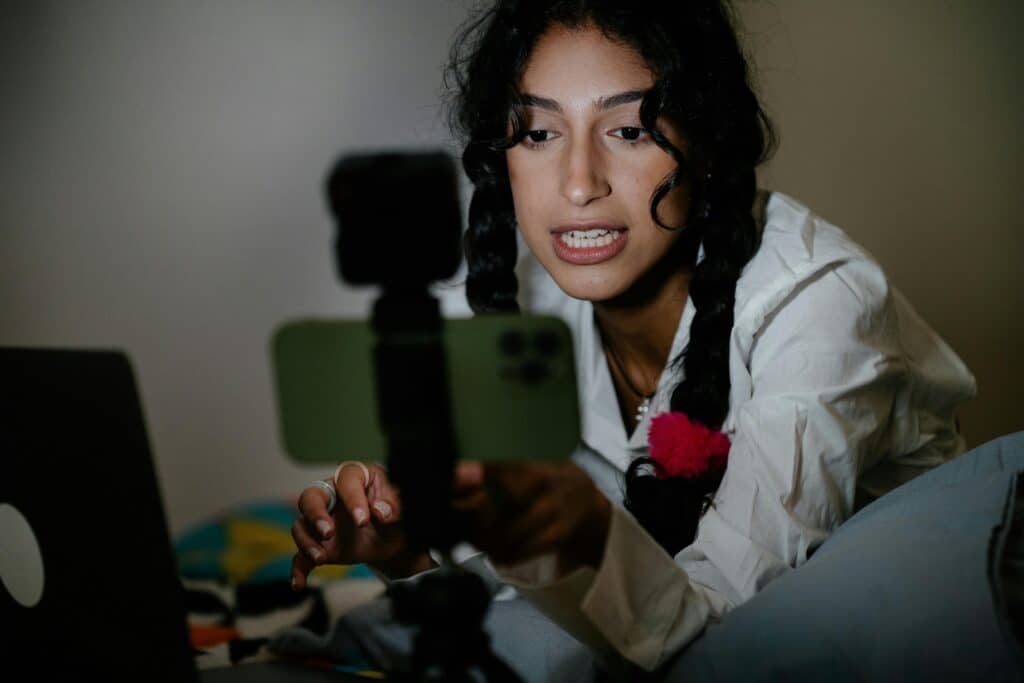
Photo: Mizuno K from Pexels

Regular social media users are usually confronted and attacked for spreading misinformation, the study found. They are therefore motivated to steer the conversation towards more civil tones and correct falsities as engagement grows. Influencers have the exact opposite incentive because their profits increase with engagement, the research team points out.


“We know that social media influencers often have huge followings that can be extremely useful for brands looking to increase sales,” says lead author, Dr Giandomenico Di Domenico.


“This research shows the negative impact of what happens when influencers decide to endorse or amplify misinformation. Our findings [indicate] influencers generate more toxicity than regular users, amplifying content under the same conditions that enhance their visibility and influence.


Di Domenico notes that the unique bond influencers have with their communities means these groups are much more likely to get behind an idea without interrogating its veracity.


“This means these posts do not simply attract more attention; they actually transform dispersed individual reactions into collective, belief‐driven antagonism. Misinformation introduced within these relationships therefore has much more traction and potential for harm.”


Mechanisms that boost misinformation


Researchers identified two influencer‐specific mechanisms that can boost the reach and power of misinformation: Legitimation, where the influencer adds weight to a theory; and community enmeshment, where their community rallies behind it.


When these two elements combine, researchers say they sustain ‘toxic echo chambers’, converting credibility and parasocial bonds into ‘collective antagonism’. As engagement increases, it produces a self‐reinforcing toxicity-engagement spiral.


In early 2025, several social media influencers on TikTok shared viral videos alleging that luxury brands such as Hermès, Louis Vuitto, and Chanel secretly manufacture their goods in Chinese factories while falsely marketing them as ‘Made in France’ or ‘Made in Italy’.


The influencers presented their claims as exposés of industry deceit, despite offering no verifiable evidence to support them. The videos amassed millions of views and stimulated widespread debate among users concerning authenticity, ethical conduct and transparency within the luxury sector, positioning the implicated brands at the centre of online criticism and misinformation.


“This case highlights a growing paradox in influencer culture. Despite the positive impact of [influencers] on marketing outcomes, their prominence also introduces new risks, particularly when controversial or misleading content sparks toxic reactions directed at brands,” Di Domenico states.


“Understanding whether toxicity unfolds differently when misinformation originates from regular users versus [influencers] is vital, given the distinct levels of influence, credibility and audience engagement they command.”


You can find out more about the study, titled ‘Don’t You Know That You’re Toxic? How Influencer‐ Driven Misinformation Fuels Online Toxicity’ here.

author avatar
Dieter Roelofse