
Airline body urges African governments to act on opening market access
‘Strategies don’t move people. Now it is time to make the difficult decisions and execute them,’ senior executive stresses.
GAME-BASED MARKETING
By our News Team | 2023
Gaming – which some experts say commands greater consumer attention than social media and TV combined – holds promise for African marketers.
Everyone loves playing games – something which became evident during the Covid-19 pandemic. Lockdowns may have forced us to stay at home, but many of us escaped into another world through the technicolour interactive playground of online and mobile gaming.
The growth is largely driven by social and casual gaming, with multiplayer games proving helpful to people’s mental health during the height of the pandemic, according to the World Health Organization. The market expanded by 26% between 2019 and 2021 as gamers bought games, consoles and other related products.
Photo by RDNE Stock project
Consumers now spend 40 times more money on gaming than on TV-related products, according to market research company GWI, and the global gaming market is expected to be worth more than US$376-billion by 2028.
Growth figures in Africa are even higher, as the African gaming market is expected to increase from a market value of US$1.9-billion in 2023, to US$3.3-billion in 2028. At least 40% of South Africa’s population plays games, followed by 23% in Nigeria and 22% in Kenya. But how can African marketers cash in?
Going beyond push advertising
Although gaming is often associated with younger generations, there was a 32% increase in gamers aged between 55 and 64, according to the 2022 Global Games Market Report by GWI.
In addition, the richest demographic of gamers in the world is the 35-to-55-year-old woman. “This is known as the so-called ‘Candy Crush’ generation,” says Glenn Gillis, the CEO of Sea Monster Entertainment, the largest impact games studio in Africa.
While this is useful information, Gillis emphasises that marketers can’t just think about push advertising, which funds most casual gaming.
“The typical gamer will get rid of ads the moment they can subscribe to a game,” he notes. “They view the game as their space and don’t want their entertainment interrupted.”
The trick is to blend marketing and gaming in a way that promotes an exchange of value, says Gillis, referencing his work with brands to ‘gamify’ the customer experience and grab their attention.
“Brands are good at rewarding customers, but not as good at creating a sense of belonging and connectedness, which can be ‘squishy’ and hard to measure,” he states. “If you get that right, however, you get brand loyalty, and gamification can do this well.”
Read more about In-Game Marketing in the latest Strategic Marketing for Africa – the voice of African marketing and the official publication of the African Marketing Confederation (AMC). Read it online here. A print edition of the magazine is also available.

‘Strategies don’t move people. Now it is time to make the difficult decisions and execute them,’ senior executive stresses.

UTB says its ambition is to turn the visibility into interest, bookings and more visitors choosing to explore Uganda.

Short ads shown on TV increased website visits within five minutes of airing by 10-40% compared with longer advertisements.

Supeco’s rapid expansion shows how the discount model is becoming a bigger part of grocery retail in the North African country.

Consumers reward visible eco-friendly additions such as reusable bottles, but give little credit to businesses that reduce or remove products.

Nestlé believes Ghana will continue to play a leading role in the future of Central and West Africa.
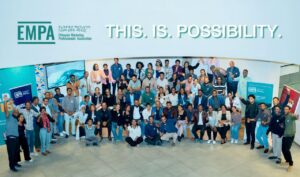
Ethiopia’s marketers gather to celebrate hosting next year’s conference – but with an eye on the hard work ahead.

Tech is creating more ways for audiences to connect, but lasting value will come from understanding the people behind those connections.

The new production line at the historic Maydon Wharf facility in Durban will address growing international demand.

Tanzania, Kenya, Zimbabwe, Ethiopia and South Africa all feature in the African meetings, incentives, conferences and exhibitions awards.
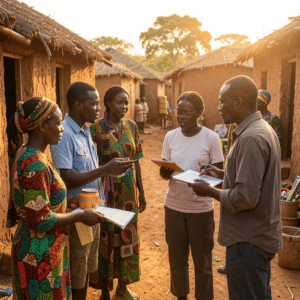
Much of the broader conversation around AI in market research assumes conditions that do not consistently exist across many African markets, writes Soyinka Witness.