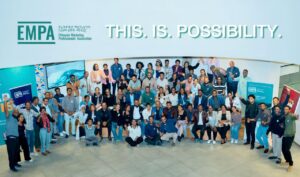
Landmark gathering gets underway with delegates from over 30 countries
Opening plenary hears that securing Africa’s economic future requires businesses to discover new customers and cross-border opportunities.
CONNECTIVITY
By our African Marketing Confederation News Team | 2024
Starlink, which provides high-speed broadband internet in remote and rural locations, must cease operations until it has required permission.
Starlink, the satellite-based internet provider owner by Elon Musk, has run into problems with regulators in yet another African country – this time Namibia.
A Starlink mission. Photo: SpaceX
Authorities in Namibia say Starlink does not have the required telecommunications licence and must cease operations until one is granted. The Communications Regulatory Authority has also warned consumers not to purchase Starlink equipment or subscribe to its services.
Starlink provides high-speed, low-latency broadband internet in remote and rural locations across the globe. Its service enables video calls, online gaming, streaming, and other high data-rate activities that historically have not been possible with satellite internet.
Starlink application is still under review
According to reports by local media and international news agencies, Starlink has applied for a telecommunications service license in Namibia, but the application is still under review.
Starlink has previously clashed with regulators in various African countries – among them South Africa and Cameroon – for lack of relevant licences. In some instances, there has also been pushback from state telecom monopolies, as well as from private service providers seeking to protect their significant investments in mobile infrastructure.
While Starlink’s stated aim is to delivery high-quality internet to rural areas, where such services are typically lacking, many urban African consumers have also been taking up the service due to lack of suitable capacity in cities.
Reports WeeTracker, a Pan-African, research and media company: “From bustling metropolises like Nairobi and Lagos to Harare and Lusaka, city dwellers have driven Starlink’s surge in demand. This rush has even forced the company to halt new sign-ups in major urban areas, despite having reserved ‘significant capacity outside of city centres’, according to owner Elon Musk’s own statement on X, in which he added that Starlink is working to increase internet capacity in dense urban areas in Africa as fast as possible.”

Opening plenary hears that securing Africa’s economic future requires businesses to discover new customers and cross-border opportunities.

Participants challenged to identify, articulate and commercialise the cultural assets that make their brand ready for a global audience.

Second outlet planned for Nairobi before year end, with Nigeria, South Africa and Morocco said to be future target markets.

Online search behaviour has changed significantly with the rise of AI. How can African brands adapt to this new marketing landscape?

Researchers propose a framework for packaging that senses, learns and acts – making packaging an active, AI-powered tool against food waste.

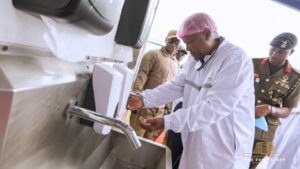
Country needs marketers to build recognition and consumer trust around Malawian products and national brand, says Deputy Minister.

Fashion brand suspends giant lingerie high above the city’s streets, using shadows to create a moving billboard for pedestrians and motorists.

Researchers describe AI influencers as having a ‘dual identity’. Consumers evaluate both ‘person’ and ‘technology’ identities at once.

Reputation and trust, once modest influences on hotel choice, have become some of the strongest predictors of patronage, study finds.

South African brands are increasingly setting the global benchmark for customer loyalty strategies, organisers say.

Global influences among younger consumers are still present, but they are being filtered through a distinctly Zambian lens.