
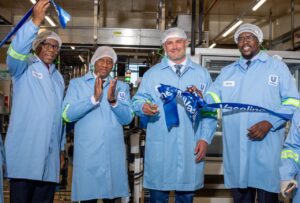
Unilever investment expands its Vaseline production capacity in Africa
The new production line at the historic Maydon Wharf facility in Durban will address growing international demand.

The new production line at the historic Maydon Wharf facility in Durban will address growing international demand.

Tanzania, Kenya, Zimbabwe, Ethiopia and South Africa all feature in the African meetings, incentives, conferences and exhibitions awards.
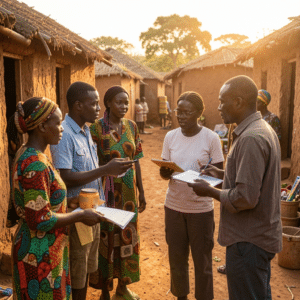
Much of the broader conversation around AI in market research assumes conditions that do not consistently exist across many African markets, writes Soyinka Witness.

Strategic Marketing for Africa, the publication for deep-thinking African marketing professionals, is not to be missed.

Rwanda’s marketing body is enthusiastic about the F1 announcement, emphasising that ‘investors and visitors follow governance, not slogans’.

The stakes are higher as AI shifts from answering questions to taking action. A bad purchase is more serious than a bad recommendation.

Faced with declining fuel sales, forecourt operators are transforming into larger and more convenient retail destinations

Formula 1 motor racing’s return to Africa after more than three decades will give Rwanda a high-profile platform to strengthen its international image.
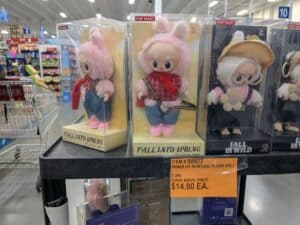
‘Coolness’ can feel intangible, but knowing which lever to pull – and where – might be the closest thing marketers have to a formula.

After years of collaboration, the agencies have signed an affiliate partnership agreement which gives Dentsu an official presence in Malawi.

Sport should be part of the solution to poor health – not a powerful advertising platforms for the products driving it, researchers warn.