Landmark gathering gets underway with delegates from over 30 countries
Opening plenary hears that securing Africa’s economic future requires businesses to discover new customers and cross-border opportunities.
DELIVERY STARTUPS
By our African Marketing Confederation News Team | 2024
Brazzaville-based food and grocery delivery startup has secured foreign funding to help it grow in Kinshasa and various countries in the region.
A Congolese tech startup that offers food delivery and supermarket shopping services has raised US$3-million in seed funding to help it scale and expand its operations into other regional African markets.
Noki Noki aims to solidify its presence in new markets including the Democratic Republic of Congo (DRC). The name means “fast, fast” in Lingala, a language spoken in the DRC, Republic of Congo and, to a lesser degree, the Central African Republic, Angola and others.
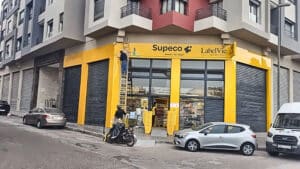
Illustration: Noki Noki
The company operates three business units: Noki Food for food-delivery services, Noki Drive for supermarket shopping services, and Noki Pay, an internal payment system for its delivery services.
Launched in 2021 by Jonathan Yanghat in Brazzaville in the Republic of Congo, Noki Noki claims to serve over 10,000 users and to have recorded over $167-million in transactions in 2023.
Ambition to revolutionise delivery and e-commerce
“We started the journey with a few motorcycles and a clear ambition: to revolutionise delivery and e-commerce on the continent. This funding brings us closer to our goal of becoming a reference in last-mile delivery in Africa,” Yanghat said in a recent statement.
Since starting in in Brazzaville, Noki Noki has expanded to Pointe-Noire in the Republic of Congo, as well as outside the country to Dakar, Abidjan and Libreville. Kinshasa in the DRC is now the next target market.
Comments Trendtype, the London-based emerging markets consultancy: “This will bring it into competition with delivery startup Wiikko, which has focused exclusively on the Kinshasa market and has 16,000 active customers and 1,000 merchants.
“The key question for Noki Noki is how well it can operate in four or five countries: the direct comparison is Kenyan B2B buying platform Wasoko, which secured a $150-million funding round and expanded across East and West Africa, but has ultimately pulled back from almost all of its expansion markets.”

Opening plenary hears that securing Africa’s economic future requires businesses to discover new customers and cross-border opportunities.

Participants challenged to identify, articulate and commercialise the cultural assets that make their brand ready for a global audience.

Second outlet planned for Nairobi before year end, with Nigeria, South Africa and Morocco said to be future target markets.

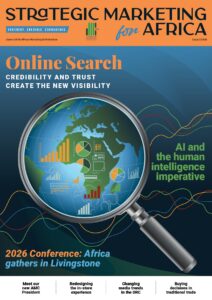
Online search behaviour has changed significantly with the rise of AI. How can African brands adapt to this new marketing landscape?

Researchers propose a framework for packaging that senses, learns and acts – making packaging an active, AI-powered tool against food waste.

Country needs marketers to build recognition and consumer trust around Malawian products and national brand, says Deputy Minister.

Fashion brand suspends giant lingerie high above the city’s streets, using shadows to create a moving billboard for pedestrians and motorists.

Researchers describe AI influencers as having a ‘dual identity’. Consumers evaluate both ‘person’ and ‘technology’ identities at once.

Reputation and trust, once modest influences on hotel choice, have become some of the strongest predictors of patronage, study finds.

South African brands are increasingly setting the global benchmark for customer loyalty strategies, organisers say.

Global influences among younger consumers are still present, but they are being filtered through a distinctly Zambian lens.