
Search is fragmenting – credibility and trust create the new visibility
Online search behaviour has changed significantly with the rise of AI. How can African brands adapt to this new marketing landscape?
PARTNER MARKETING
By our News Team | 2022
New research by the CMO Council reveals a national marketing ‘blind spot’ in local partner marketing performance.
A third of national marketers in the US say 40% or more of their company’s revenue comes from local business partners. Yet two-thirds of national marketers have only a moderate understanding, or worse, about their local partners’ business and marketing challenges and how to kickstart local demand.
This is according to a new report by the Chief Marketing Officer (CMO) Council and BrandMuscle, a specialist in integrated local and channel marketing.
Photo by Fauxels from Pexels
The new research examines the opportunity and challenges national marketers face when improving and promoting their local partner channel marketing programs. Among the key findings:
“Local partners are the last mile to purchase and have the most interaction with customers,” said Donovan Neale-May, Executive Director of the CMO Council.
National marketers must collaborate with local partners
“If national marketers really want to know their customers, they need to work closely with local partners, collaborate on marketing projects, share data, etc. Shoring up your local partner channel marketing programme is a great place to start.”
There is a significant opportunity for national marketers to improve their local partner channel marketing programmes, such as making services more easily accessible, getting more creative with funding, and providing marketing training, content and digital marketing tactics that are meaningful at the local level.
“The opportunity to grow revenue incrementally through local partners should be a priority for marketing leaders,” said Kyle Coughlin, VP of Marketing and Demand Generation at BrandMuscle.
“Given the amount of revenue already being generated through local channels, optimising and enabling partners to better align with marketing objectives and drive a positive ROI will help both the brand and partners succeed. Partners are often the last touchpoint before a sale. By helping them be better marketers, they become more active brand advocates in the path to purchase, which is a win-win for everyone.”

Online search behaviour has changed significantly with the rise of AI. How can African brands adapt to this new marketing landscape?

Researchers propose a framework for packaging that senses, learns and acts – making packaging an active, AI-powered tool against food waste.
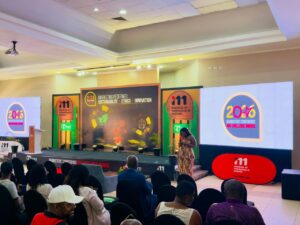
Country needs marketers to build recognition and consumer trust around Malawian products and national brand, says Deputy Minister.

Fashion brand suspends giant lingerie high above the city’s streets, using shadows to create a moving billboard for pedestrians and motorists.

Researchers describe AI influencers as having a ‘dual identity’. Consumers evaluate both ‘person’ and ‘technology’ identities at once.

Reputation and trust, once modest influences on hotel choice, have become some of the strongest predictors of patronage, study finds.

South African brands are increasingly setting the global benchmark for customer loyalty strategies, organisers say.

Global influences among younger consumers are still present, but they are being filtered through a distinctly Zambian lens.

Researchers find that lack of perceived ‘genuine care’ is the mechanism connecting AI involvement to lower trust ratings.

Explore the 2026 AMC Conference speaker line-up. Top African marketing voices gather in Zambia to tackle AI, AfCFTA, and brand power. Register today.

New industry currency will bring South African television and online video audiences together in a single measurement system.