DIGITAL ECONOMY

Report emphasises the scale of Africa’s digital economy opportunity

By our African Marketing Confederation News Team | 2025

While the potential is vast, capturing it requires a precise understanding of how Africa’s mobile-first consumers behave.

Africa’s digital economy is growing faster than almost anywhere else in the world. By 2028, e-commerce revenues are projected to exceed US$51-billion, while mobile money transactions topped $800-billion in 2023. 


This is according to a recently released study by Lagos-based marketing research and strategy firm, Pierrine Consulting, which comments that “the scale of opportunity is clear. But capturing it requires a precise understanding of how Africa’s mobile-first consumers behave”. 

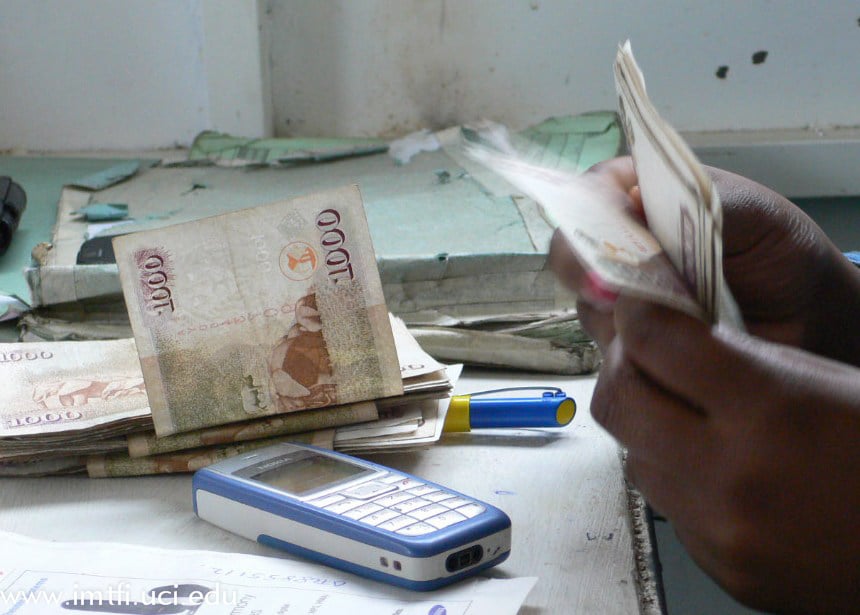
Photo: Institute for Money, Technology and Financial Inclusion via Flickr

The report, titled ‘Beyond Connectivity: Understanding Africa’s Digital Consumer’, examines several key challenges that must be resolved to maximise the potential of digital technology and digital commerce on the continent. Among them: 


Connectivity and affordability remain barriers


Smartphone connections are forecast to reach 61% of total connections in 2025, yet many users still face prohibitive data costs. This challenge disproportionately affects female entrepreneurs; nearly half of women in business report lacking reliable internet access, limiting their ability to market products and process digital payments, Pierrine says. 


Trust and payments are major hurdles


Trust remains one of the biggest barriers in Africa’s digital economy, with nearly half of micro, small and medium enterprises (MSMEs) citing distrust of online platforms as a key growth challenge.  


Ethiopian mobile payment service Telebirr, for example, has grown to 51.5-million users, processing transactions worth 3.85-trillion birr (1 birr = 0,0070 USD). Yet, an estimated 90% of all transactions across Africa still take place in cash, reflecting consumer hesitation to fully embrace digital payments.  


Innovative solutions are helping: in Nigeria, platforms like KongaPay have gained traction by integrating directly with banks and removing the need for users to expose sensitive account details, notes the report. 


Logistics create real friction


Infrastructure remains a major obstacle. Last-mile delivery costs in sub-Saharan Africa are estimated to be 50-75% higher than in other developing regions. Poor road networks, inconsistent addressing systems, customs delays, and limited warehousing capacity contribute heavily to these costs.  


Pierrine Consulting states that, on average, Africa has just one square metre of warehousing space per person, compared to three square metres in Asia. 


“In Nigeria, logistics bottlenecks are particularly acute: about 68% of orders in Lagos experience delays and unreliable third-party providers increase costs by as much as 40%,” the report states. “Consumer patience is thin; 63% of online shoppers abandon a retailer after experiencing a single delivery failure.  


“Encouragingly, solutions are emerging: Jumia’s partnerships with local logistics companies have reduced delivery delays by 40% in [the Nigerian city of] Abuja, while investments in urban warehousing and route optimisation technologies are gradually improving performance.” 


You can find out more about the report here. 

author avatar
Jason Lottering