Watchdog instructs auto brand to remove or amend TV ad campaign
SA’s Advertising Regulatory Board finds Kia advertisement could be offensive to people with certain health disorders.
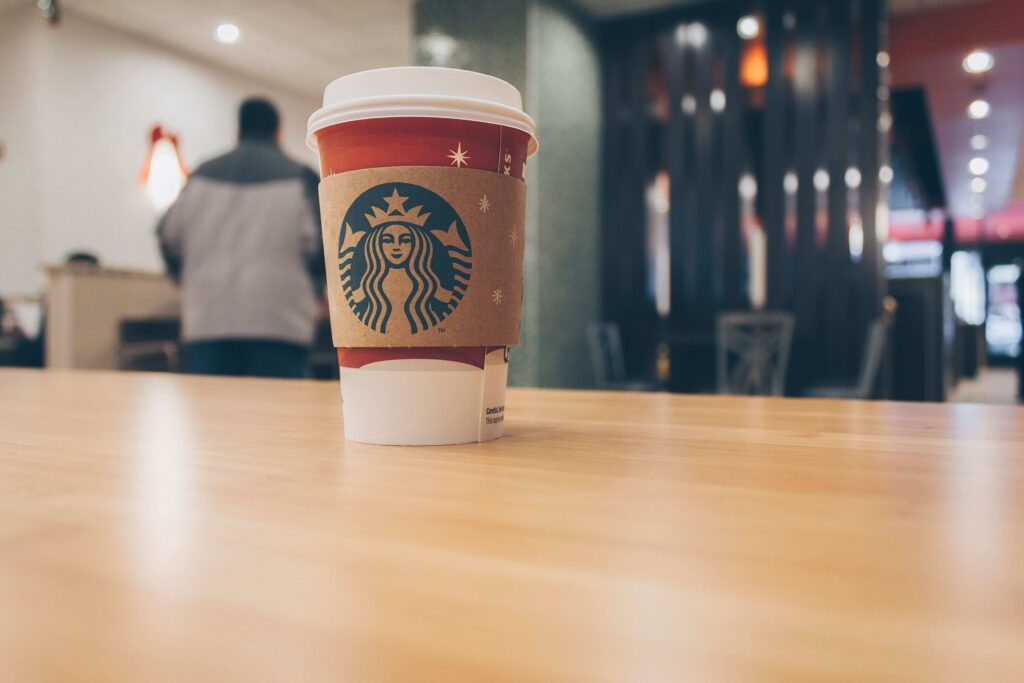
International coffee chain Starbucks has discontinued an AI-powered inventory counting tool only nine months after implementing it. The tool was reportedly several years in development before becoming operational in North American stores during September 2025.
The Automated Counting system was intended to generate automated totals of syrups, milks, and related beverage products available in individual stores.
In theory, an employee would scan stock shelves with an AI-based app, which would recognise and count the individual items and create a report to avoid stock-outs. In practice, however, it would fail to register certain items on the shelves.
According to reports by Reuters news agency and other North American news outlets, a publicly circulated video shows a peppermint syrup bottle on a shelf going unregistered as the system scans the surrounding bottles on either side of it.
Promise of greater speed and fewer errors
“Where workers had previously tallied stock by hand, the app was meant to handle those counts automatically, with the promise of greater speed and fewer errors,” the Quartz news website reports.
“Getting the right products onto shelves has frustrated Starbucks leadership for years, with multiple chief executives citing stock gaps as a factor weighing on revenue.
“Inventory automation had been positioned as a centrepiece of the ‘Back to Starbucks’ turnaround, part of a broader technology push that also includes AI-driven tools for sequencing drink orders and supporting baristas during busy periods.”
When Starbucks launched Automated Counting last year, it said the technology would set the stage for “smarter supply chain optimisation”.

SA’s Advertising Regulatory Board finds Kia advertisement could be offensive to people with certain health disorders.

Global study finds AI is helping marketers produce more – but is not creating the time and creative space they expected.

Urban Africa will double its footprint, adding the equivalent of more than 4,000 Manhattans or almost 400 Singapores, The Economist reports.

Luc Demez brings experience from Europe and African countries as the Carrefour brand looks to expand into Nigeria with a local partner.

What makes brands successful in Africa? A summary of the award-winning paper presented at Esomar’s first conference in Africa.

Woolworths supermarket chain embraces an AI-powered chef as it leverages two decades of recipes to answer an age-old family question.