
Airline body urges African governments to act on opening market access
‘Strategies don’t move people. Now it is time to make the difficult decisions and execute them,’ senior executive stresses.
CONSUMER PAYMENTS
By our News Team | 2023
AzamPesa mobile money wallet set to close the gap between urban and rural areas in terms of access to financial products and solutions?
For marketers and brands doing business with rural consumers in Africa, one of the challenges has long been the ‘cash only’ economy which limits the products and services that can be easily sold to this audience.
But new digital solutions, enabled by the growth of internet coverage and cheaper smartphones, are rapidly changing the market as people embrace money transfers and simple POS systems.
Photo via AzamPay Facebook page
The latest example is Tanzania’s AzamPay, a specialist in the development of end-to-end online payment management solutions for companies operating in East Africa.
It has just launched satellite-based payments via AzamPesa, a new mobile money wallet for Tanzania that is claimed to be the first mobile money wallet not directly associated with a mobile network operator.
The service allows users to send, receive and make digital payments through their mobile phones. Importantly, AzamPesa’s satellite connectivity enables payments in areas where telecom networks or internet services are unavailable.
Millions of Tanzanians have no financial-related connectivity
“More than 8-million Tanzanians live in areas where there is no financial-related connectivity of any kind,” says Firas Ahmad, Group CEO of AzamPay, in a LinkedIn post.
“In these circumstances, individuals must travel to other villages or areas where they can get a network signal [and] sometimes this can take hours. No network means no access to basic payments and financial services.”
According to Ahmad, the satellite-based solution eliminates the need for travel by allowing registered AzamPesa customers to transact in their village with only an AzamPesa card.
The card is tapped on a POS device operated by an AzamPesa agent in that village and, once the user taps the card, they can navigate the menu on the POS device and make payments, send money, or cash out after entering their pin.
Ahmad says satellite connectivity is universally available and the data requirements for payment transactions are very small. Connecting payments to a satellite signal uplink is a way of solving a problem for rural residents that has remained an issue since mobile money became prevalent in Tanzania and Africa via telecom networks.
The Tanzanian technology newsletter, Atoms + Bits, believes the new service is a “huge milestone for East Africa, and perhaps for the entire African continent”.

‘Strategies don’t move people. Now it is time to make the difficult decisions and execute them,’ senior executive stresses.

UTB says its ambition is to turn the visibility into interest, bookings and more visitors choosing to explore Uganda.

Short ads shown on TV increased website visits within five minutes of airing by 10-40% compared with longer advertisements.
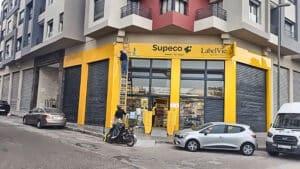
Supeco’s rapid expansion shows how the discount model is becoming a bigger part of grocery retail in the North African country.

Consumers reward visible eco-friendly additions such as reusable bottles, but give little credit to businesses that reduce or remove products.
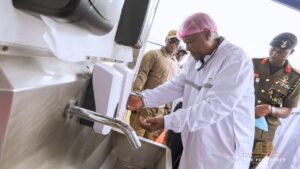
Nestlé believes Ghana will continue to play a leading role in the future of Central and West Africa.

Ethiopia’s marketers gather to celebrate hosting next year’s conference – but with an eye on the hard work ahead.

Tech is creating more ways for audiences to connect, but lasting value will come from understanding the people behind those connections.

The new production line at the historic Maydon Wharf facility in Durban will address growing international demand.

Tanzania, Kenya, Zimbabwe, Ethiopia and South Africa all feature in the African meetings, incentives, conferences and exhibitions awards.
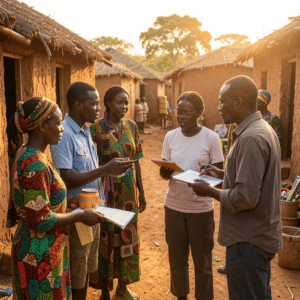
Much of the broader conversation around AI in market research assumes conditions that do not consistently exist across many African markets, writes Soyinka Witness.