Surveying consumers in Ghana, Kenya, Nigeria, Rwanda and South Africa, the research reveals that 86% of respondents follow sport either regularly or occasionally, while 71% say a company sponsoring their favourite team or athlete makes them more likely to buy from that brand.
The findings point to an opportunity for marketers to harness sporting passion more strategically across the continent.
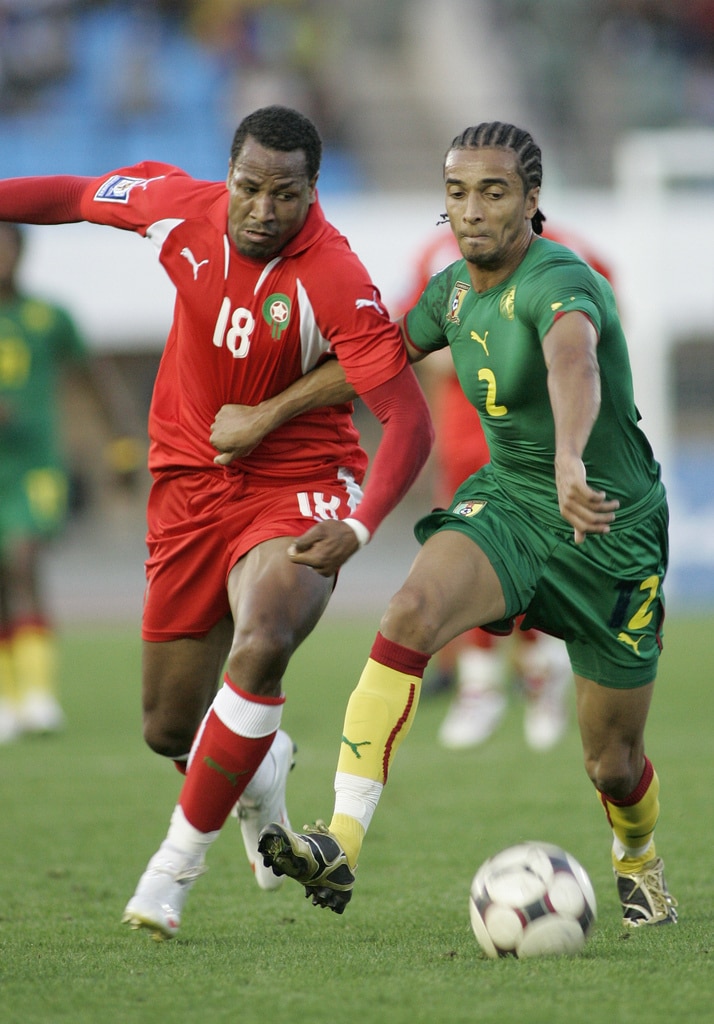
Soccer remains the continent’s dominant sporting code, attracting interest from 79% of respondents to the study and leading in all five markets surveyed. Ghana tops the soccer-interest rankings at 90%, followed by Nigeria at 85% and Kenya at 79%.
Yet the picture is not uniform. South Africa stands out for its broader sporting interests, with rugby attracting 25% and cricket 18%, while Kenyans have a strong interest in athletics and Ghanaians in boxing.
For marketers, this diversity seems to indicate that the strongest campaigns will be those built around the sporting codes, cultural touchpoints and audience dynamics that matter in individual markets, rather than applying a generic continental strategy.
Television remains the leading platform
When it comes to media consumption of sport, television remains the leading platform for following sport, used by 55% of respondents. However, digital and social platforms play increasingly important roles.
YouTube is particularly popular in Kenya and Rwanda, for example. Facebook stands out in Ghana, while TikTok reaches 20% overall and is especially influential among younger audiences. Radio remains a significant channel of engagement in Rwanda and Ghana.
This fragmented media landscape makes audience segmentation essential, the research indicates. Age, geography and platform preferences should inform how brands develop content, activate sponsorships and allocate media budgets. A strategy centred on television alone may miss younger audiences, while a digital-first approach could overlook important traditional media audiences.
Sponsorship can offer tangible commercial value. Overall, 71% of respondents to the GeoPoll research said brand sponsorship of a favourite team or athlete increases their likelihood of buying from the sponsoring company.
The figure rises to 77% in Rwanda and 76% in Nigeria, highlighting the potential of sports partnerships to influence consumer behaviour.
Brand recall reflects a mix of global and local brands. Nike and Adidas dominate overall recall for sports advertising and sponsorship, while local brands such as SportPesa, SportyBet and Betway feature prominently in particular markets. Visit Rwanda also emerges as a notable example of a national tourism brand leveraging sport to build visibility.
GeoPoll believes basketball offers additional opportunities, particularly in Nigeria and Ghana, where interest is strongest. The NBA leads among basketball followers, while national leagues demonstrate the importance of developing local sporting ecosystems and fan connections.
And, while sport is engaged by African consumers through a variety of platforms, live attendance is also common. According to the report, 58% of respondents attend a live sporting event at least every few months. Nigeria (68%) is significantly ahead of Kenya, South Africa, Ghana and Rwanda. Rwanda has the largest share who never attend (26%), and women are far less likely than men to attend.