
Researchers explain why 10-second micro ads outperform longer spots
Short ads shown on TV increased website visits within five minutes of airing by 10-40% compared with longer advertisements.
SOCIAL MEDIA
By our African Marketing Confederation News Team | 2024
Maverick billionaire believes organisations unlawfully agreed to boycott his platform, thereby losing it billions of dollars in ad revenue.
The global advertising and marketing community, as well as the international media, has reacted with surprise and disbelief at a decision by Elon Musk to sue various organisations who failed to advertise on his X platform in 2022.
His lawsuit, filed in the US state of Texas, relates to the period in 2022 not long after he bought the platform then known as Twitter. Advertising revenue tumbled because many advertisers were wary of being on Twitter, believing the new ownership was not serious enough about removing harmful online content and hate speech.
Musk and his management team are suing FMCG giants Unilever and Mars, private healthcare company CVS Health, and renewable energy firm Orsted, as well as the World Federation of Advertisers.
Central to X’s legal claim is the allegation that the organisations unlawfully agreed to boycott Twitter, thereby losing it billions of dollars in ad revenue.
Elon Musk. Photo: Prime Minister’s Office, Government of India
John McCarthy, Opinion Editor for the industry publication The Drum, says a “bewildered” advertising community has “responded with incredulity that a brand safety discussion would be blown up into a freedom of speech debate”.
The Drum polled more than 100 marketers to get their initial reaction to the statement from X chief executive Linda Yaccarino claiming the groups systematically – and illegally – sought to boycott the platform as part of a broader effort to force X’s hand into suppressing right-leaning voices on the platform.
‘A wall of ridicule’ from the industry
“The industry’s response was a wall of ridicule, a consensus that the platform owned by a man who only last year told advertisers to ‘go *** yourself” had made its bed and now had to sleep in it,” McCarthy writes.
“X’s growing irrelevance in the eyes of the world’s top marketers owed more to its own actions than a shadowy cabal of media execs, many argued.”
Nils Pratley, Financial Editor of the London-based The Guardian newspaper, says “Elon Musk is being ridiculous. Companies are free to choose where to advertise”.
Pratley states: “It is less than a year since Elon Musk told advertisers who were shunning his social media site, X, that they could take their business elsewhere permanently. In fact, he encouraged them to do so.
“Come on, you’re running a profit-seeking business, like most of the rest of the media world. If you can’t make the revenues stack up, that’s your problem. If anyone is guilty of showing monopolistic tendencies here, it is X in believing it deserves to be protected from everyday commercial pressures.”

Short ads shown on TV increased website visits within five minutes of airing by 10-40% compared with longer advertisements.

Supeco’s rapid expansion shows how the discount model is becoming a bigger part of grocery retail in the North African country.

Consumers reward visible eco-friendly additions such as reusable bottles, but give little credit to businesses that reduce or remove products.

Nestlé believes Ghana will continue to play a leading role in the future of Central and West Africa.
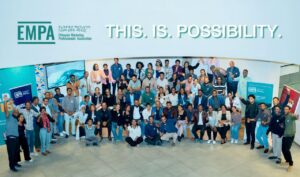
Ethiopia’s marketers gather to celebrate hosting next year’s conference – but with an eye on the hard work ahead.

Tech is creating more ways for audiences to connect, but lasting value will come from understanding the people behind those connections.

The new production line at the historic Maydon Wharf facility in Durban will address growing international demand.

Tanzania, Kenya, Zimbabwe, Ethiopia and South Africa all feature in the African meetings, incentives, conferences and exhibitions awards.
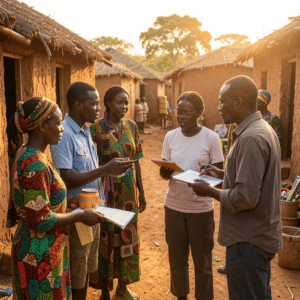
Much of the broader conversation around AI in market research assumes conditions that do not consistently exist across many African markets, writes Soyinka Witness.
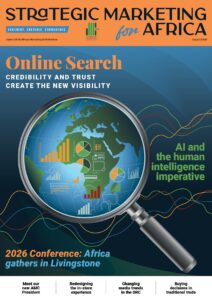
Strategic Marketing for Africa, the publication for deep-thinking African marketing professionals, is not to be missed.

Rwanda’s marketing body is enthusiastic about the F1 announcement, emphasising that ‘investors and visitors follow governance, not slogans’.