
Demand for sportswear is sprinting ahead of the wider apparel market
Consumers are prioritising their wellness despite tighter wallets, meaning sportswear remains one of the most resilient areas of fashion.
BRAND INCLUSION
By our African Marketing Confederation News Team | 2025
Consumers in Africa and elsewhere increasingly expect brands to use DEI thinking to avoid insulting, insensitive or biased messaging.
Google was identified as the world leader in brand inclusivity following the release of a substantive survey by Kantar in 2024. The marketing data and analytics firm surveyed more than 23,000 people across 18 countries – including Nigeria, South Africa and Kenya – to compile the Kantar Brand Inclusion Index 2024.
The research team also made a business case for brands to embrace diversity, equity and inclusion (DEI) across external marketing efforts and as a barometer of corporate culture.
Kantar’s study is claimed to be the first global overview of how marketers are using DEI thinking to avoid insulting, insensitive or biased brand messaging – and why this approach seems increasingly important to consumers. It also builds on the previous efforts of individual countries and companies.
Photo by Fauxels from Pexels
For instance, in 2021 a South African marketing industry alliance comprising various organisations and companies launched a World Federation of Advertisers (WFA) Global Diversity, Equity & Inclusion Census. Earlier in 2024, Dr Okey Okere, Managing Partner at The Culture Factor Africa, showcased Nigeria’s DEI efforts. The company helps businesses in Nigeria and other parts of Africa to leverage culture as a tool for business performance.
In the case of Nigeria, The Culture Factor Africa showed a high correlation between ethnic diversity and return on assets in the West African nation. It noted that diverse teams were 70% more likely to capture new markets, while financial returns were “35% more likely higher in ethically diverse teams”.
Embedding this mindset across the culture of a brand
As such, Okere’s report made a case for using the language of inclusion, embedding this mindset across the culture of a brand and reinforcing delicate sensitivities by employing diverse teams with different perspectives.
Similarly, Kantar’s recent 2024 report notes that “75% of consumers globally say that diversity and inclusion – or the lack thereof – influence their purchase decisions”. It also highlights that, of the 46% of respondents who reported experiencing some kind of discrimination in the past year, those levels are more pronounced in emerging economies (64%) than in developed nations (36%) and often impact the most vulnerable in society.
According to Amit Nanoo, Human Centric Growth Strategist in Kantar’s Insights Division, what sets Africa apart from the rest of the world is that while, globally, minorities and marginalised groups are underserved, “in Africa it’s the majority of people who are underserved”.
What does this mean for Africa-focused brands? “People [in Africa] are looking to brands to take up the social and commercial responsibility to be more inclusive,” explained Nanoo during a Kantar webinar attended by Strategic Marketing for Africa, the magazine of the African Marketing Confederation (AMC).
Find out more about the importance of brand inclusion in Africa in the current issue (Issue 4 2024) of Strategic Marketing for Africa. You can read the Digital Edition online here. The Print Edition will be available shortly.

Consumers are prioritising their wellness despite tighter wallets, meaning sportswear remains one of the most resilient areas of fashion.
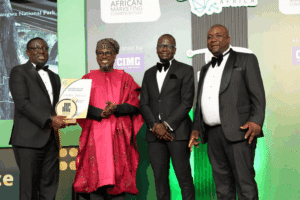
Nominations for the 2026 African Marketing Confederation and African Supply Chain Confederation awards close on 31 July.
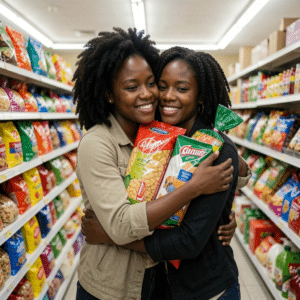
Consumers may stick with troubled brands because their emotional attachment overrides the perceived risk, study finds.

Book draws a line between customer experience – the private-sector marketing discipline – and what its authors call ‘Citizen Experience’.
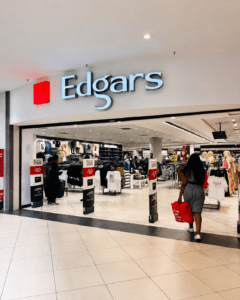
Six years ago, the historic South African department store chain was in voluntary business rescue. Now it plans to open 50 new stores.

The Accountability Equation is the often neglected, but vital, three-way partnership between creators, brands and their marketing agencies.
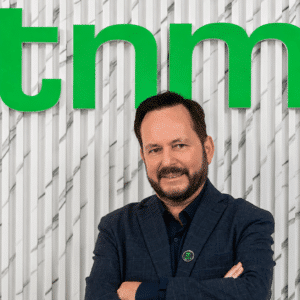
The Institute of Marketing in Malawi announces that accomplished business leader Michel Hebert will be its keynote conference speaker.

Forty percent of brand citations in organic search results do not show up in AI overviews for the same query, study finds.

Adidas has reportedly awarded the business to Omnicom Media Group following a competitive pitch involving Publicis Groupe and incumbent WPP.
Another salvo is fired in the long-running ‘Cola Wars’ as Coke steals Pepsi’s thunder across the Marriott group’s 10,000 global properties.
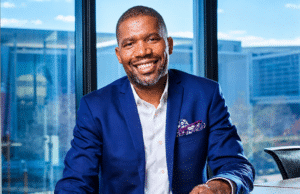
Gideon Khobane brings more than 20 years of leadership experience across media, entertainment and digital platforms in Africa.