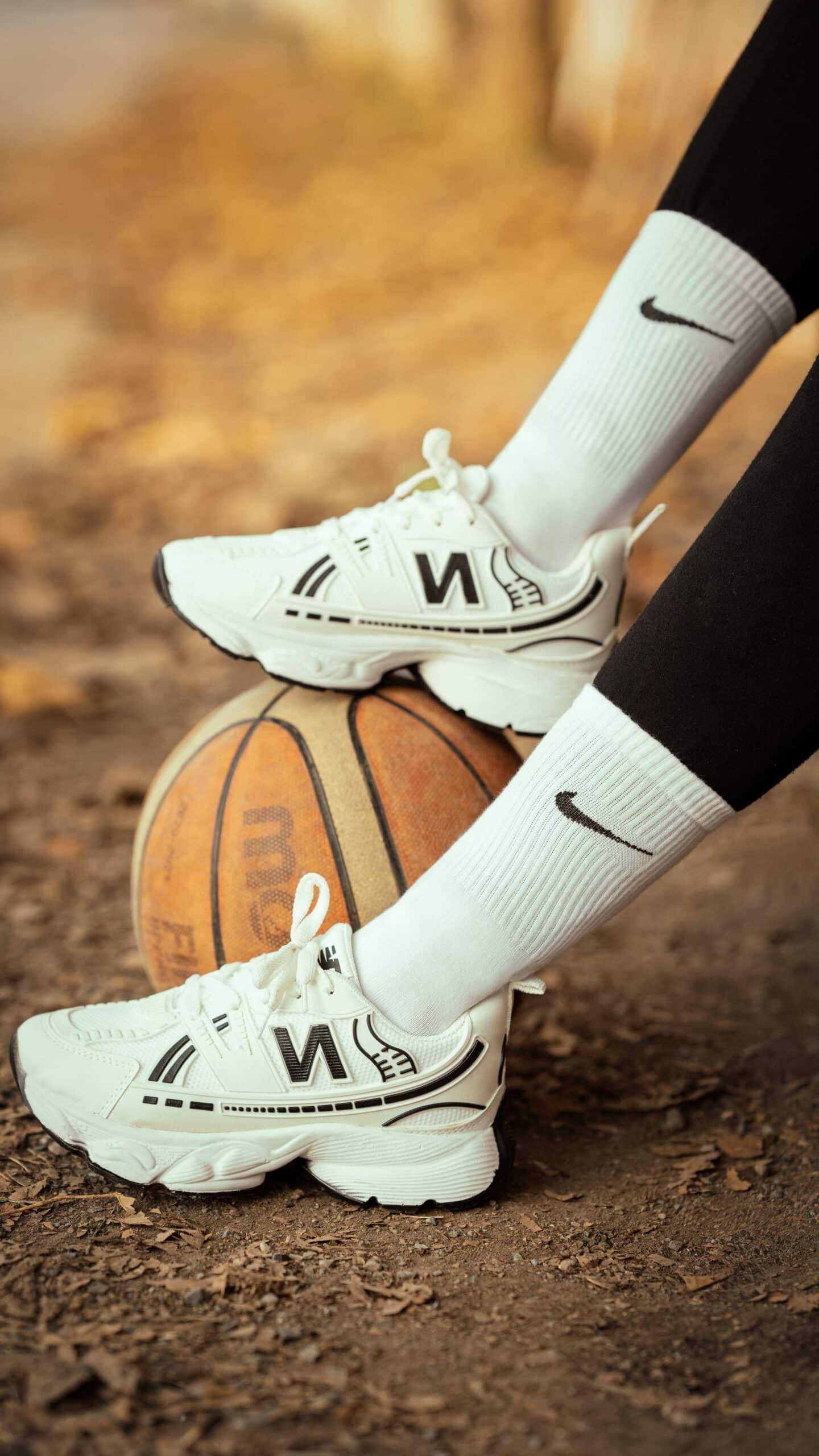
Consumer behaviour is undergoing a structural shift, according to Euromonitor International’s Voice of the Consumer: Lifestyle Survey. The research indicates cost pressures are fuelling more strategic purchasing decisions and accelerating market polarisation.
“Consumers are prioritising wellness, experiences and essential categories, while becoming more selective in fashion purchases. This is driving demand for investment-grade (premium, high-quality) sportswear, particularly products that deliver performance, durability and lifestyle value,” says Marguerite LeRolland, Global Insight Manager – Fashion.
The result is a divided market, where brands must appeal either to highly price-sensitive consumers or to those willing to pay a premium for quality and innovation.
Macro uncertainty drives strategic transformation
Euromonitor notes that sportswear continues to show resilience despite macro-economic uncertainty and rising geopolitical risks as consumers prioritise their wellness despite tighter wallets.
Le Rolland states: “Sportswear remains one of the most resilient areas of fashion, where demand is underpinned by health-driven lifestyles, innovation and strong consumer engagement. Brands that embrace these opportunities through data analytics and localisation strategies will be best placed to succeed globally.”
Emerging markets fuel expansion
Regionally, the global sportswear landscape is becoming more imbalanced. Asia Pacific is expected to be the fastest-growing market through to 2030, driven by rising incomes, expanding middle classes and digital retail integration.
However, North America remains the largest market globally, accounting for the highest share of sales, while Europe, the Middle East and Africa continue to play a key role in global strategies.
Emerging markets, such as India and Southeast Asia, are expected to contribute significantly to incremental growth, supported by e-commerce expansion and increasing participation in sports and wellness activities.