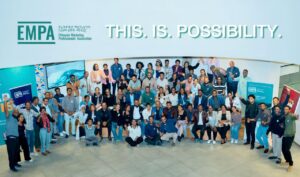
Pre-conference masterclass discusses taking African brands to the world
Participants challenged to identify, articulate and commercialise the cultural assets that make their brand ready for a global audience.
ADVERTISING
By our News Team | 2023
Major brands that paused their spending on the social media platform when Musk took over are continuing to place their adspend elsewhere.
Advertisers are continuing to boycott Twitter in the Elon Musk era, with various international media outlets reporting yesterday (Wednesday) that ad revenue is 40% down and that around 500 advertisers are continuing to keep their adspend on the platform on hold.
Twitter has been in an advertising squeeze since Musk’s chaotic takeover in October last year. Advertisers are concerned about the future direction of the social media channel, its ethics, technical issues and data privacy – among others.
Image by Edar from Pixabay
“Tiny scoop: We learned today that Twitter’s revenue is down 40 percent year over year (and Musk’s first giant interest payment on the company is due at the end of the month),” said Zoë Schiffer, Managing Editor of technology newsletter The Platformer. Ironically, she made her announcement on Twitter.
Crisis facing Twitter’s core ad business
The Information, a technology news website, also reported yesterday (Wednesday): “A senior Twitter manager told employees that the company’s daily revenue on Tuesday was 40% lower than the same day a year ago, underscoring the crisis facing its core ads business, according to a person with direct knowledge.”
The report added: “In a staff meeting on Tuesday, Siddharth Rao, an engineering manager overseeing the engineers working on Twitter’s ad business, also told employees in a presentation that more than 500 of Twitter’s top advertisers have paused spending on Twitter since Elon Musk took over in October.”
Advertising is the main source of income for Twitter, accounting for more than 90% of its US$5.1-billion in revenue in 2021, The Guardian newspaper said in its own report, noting that advertisers including Audi and Pfizer are among the firms that have paused after the Tesla CEO’s $44-billion takeover of Twitter.

Participants challenged to identify, articulate and commercialise the cultural assets that make their brand ready for a global audience.

Second outlet planned for Nairobi before year end, with Nigeria, South Africa and Morocco said to be future target markets.

Online search behaviour has changed significantly with the rise of AI. How can African brands adapt to this new marketing landscape?

Researchers propose a framework for packaging that senses, learns and acts – making packaging an active, AI-powered tool against food waste.

Country needs marketers to build recognition and consumer trust around Malawian products and national brand, says Deputy Minister.

Fashion brand suspends giant lingerie high above the city’s streets, using shadows to create a moving billboard for pedestrians and motorists.

Researchers describe AI influencers as having a ‘dual identity’. Consumers evaluate both ‘person’ and ‘technology’ identities at once.

Reputation and trust, once modest influences on hotel choice, have become some of the strongest predictors of patronage, study finds.

South African brands are increasingly setting the global benchmark for customer loyalty strategies, organisers say.

Global influences among younger consumers are still present, but they are being filtered through a distinctly Zambian lens.

Researchers find that lack of perceived ‘genuine care’ is the mechanism connecting AI involvement to lower trust ratings.