
Airline body urges African governments to act on opening market access
‘Strategies don’t move people. Now it is time to make the difficult decisions and execute them,’ senior executive stresses.
AFRICAN MARKETING
By our News Team | 2022
Issue 2 2022 of Strategic Marketing for Africa is now available and makes for insightful and compelling reading for marketing professionals.
The latest issue of Strategic Marketing for Africa, the quarterly magazine of the African Marketing Confederation (AMC), is now available online via the AMC website. Issue 2 2022 is packed with marketing-related news and in-depth features from across Africa and around the world.
Our Cover Story for Issue 2 analyses Generation Z consumers on the continent and sets out to understand this young, idealistic, pro-African go-getting generation. It points out that, by around 2030, Gen Z will be the world’s largest consumer base.
The latest issue of Strategic Marketing for Africa is now available. Photo credit: Supplied
As with previous generations, Gen Zers want to make an impact and shake things up. The difference is that these digital natives have technology firmly in their corner – and they aren’t afraid to use it.
According to Ndeye Diagne, Lagos-based MD of Kantar West Africa, Gen Z may still be finding its identity, but already brands are being forced to catch up as they seek to understand these connected “social media beasts” who are tech-optimistic, authentic, self-focused, socially aware, impact seeking, vulnerable, fun-loving and committed to their African identity.
This group’s keen desire for authenticity
While it is easy to get sucked into the ease with which Gen Zers engage with the digital world through preferred platforms such as Instagram, Twitter, Snapchat and TikTok, a focus on values is equally important. Kantar’s Chief Client Officer in Nigeria, Tamara Ojeaga, says Gen Zers share some common values with older generations, such as independence and self-determination, but they spice this up with their innate creativity and innovation, plus a keen desire for authenticity.
Notes Babara Omwayi, CEO of Spark Communication, a below-the-line marketing agency based in Nairobi: “The inclination towards valuing experiences has gone a long way towards the power and influence they yield in shaping shopping patterns. They are not motivated by money, rather by value.”
She adds: “This inclination makes them attach value to what is important to them and influences their shopping patterns, careers and employers. Considering this fact, brands and companies must earn their trust by developing solutions that align with their values.”
You can read the article on page 10 of the latest magazine.
Also under the spotlight in this issue is the topic of Loyalty Programmes and their relevance to African marketers and consumers.
Preneshen Munian, CEO of TLC Marketing for Middle East, Africa and South East Asia writes that, having long been overlooked as a region, Africa’s rapid economic growth and the large-scale adoption of hand-held technology and associated fin-tech solutions mean that consumers are ready to be rewarded for their loyalty to brands – if those rewards are relevant and meaningful. Read the article on page 22.
You will find all these stories, and much more, in Issue 2 2022. Strategic Marketing for Africa is the new voice of African marketing and the official publication of the African Marketing Confederation (AMC). It is available quarterly in Digital and Print editions.

‘Strategies don’t move people. Now it is time to make the difficult decisions and execute them,’ senior executive stresses.

UTB says its ambition is to turn the visibility into interest, bookings and more visitors choosing to explore Uganda.

Short ads shown on TV increased website visits within five minutes of airing by 10-40% compared with longer advertisements.

Supeco’s rapid expansion shows how the discount model is becoming a bigger part of grocery retail in the North African country.

Consumers reward visible eco-friendly additions such as reusable bottles, but give little credit to businesses that reduce or remove products.

Nestlé believes Ghana will continue to play a leading role in the future of Central and West Africa.
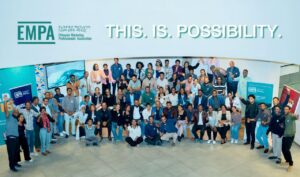
Ethiopia’s marketers gather to celebrate hosting next year’s conference – but with an eye on the hard work ahead.

Tech is creating more ways for audiences to connect, but lasting value will come from understanding the people behind those connections.

The new production line at the historic Maydon Wharf facility in Durban will address growing international demand.

Tanzania, Kenya, Zimbabwe, Ethiopia and South Africa all feature in the African meetings, incentives, conferences and exhibitions awards.
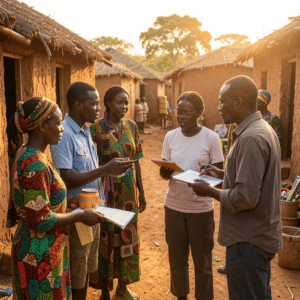
Much of the broader conversation around AI in market research assumes conditions that do not consistently exist across many African markets, writes Soyinka Witness.