
Airline body urges African governments to act on opening market access
‘Strategies don’t move people. Now it is time to make the difficult decisions and execute them,’ senior executive stresses.
AFRICAN MARKETING NEWS
By our News Team | 2022
Issue 3 2022 of Strategic Marketing for Africa is now available and makes for insightful and compelling reading for marketing professionals.
The latest issue of Strategic Marketing for Africa, the quarterly magazine of the African Marketing Confederation (AMC), is now available online via the AMC website. Issue 3 2022 (and the 5th since the revival of the AMC) is packed with marketing-related news and in-depth features from across Africa and around the world.
Our Cover Story for the latest issue charts the dramatic rise of the Metaverse and what it is likely to mean for African marketing going forward.
The latest issue of Strategic Marketing for Africa is now available. Photo credit: Supplied
It’s hard to ignore the allure of this new technology segment attracting significant – some might say startling – investment in time and money. But what is its relevance to African marketers and how can they identify the opportunities – and pitfalls – associated with it?
Hussein Hashish, founder of Blockchain Hub Egypt and Chief Metaverse Officer at Athens DAO, a community of experienced crypto-investors, points out that the upgrade from screens, two-dimensional 2D video chats and tabs on a website – to an internet you can jump into or have come out to you – is happening in fits and starts.
“The Metaverse is still plagued by unsteady and choppy service – it’s in its ‘PlayStation 1’ phase from a user interface and hardware perspective,” he says.
Early investors can reap long-term benefits
However, this hasn’t deterred Mic Mann, the founder of the platform Ubuntuland, which claims to be Africa’s first Metaverse marketplace. He believes that early forays into the Metaverse allow investors to explore the tools available and to try out new business models before others arrive in full force a few years from now.
“As with any new industry, if you get your hands dirty, you get ahead,” he says. “The first brands to enter the Metaverse will be leaders and they can leverage the marketing benefits of discovering new frontiers.”
Hashish emphasises that Africa lags due to poor infrastructure and low awareness, but a handful of countries – like Nigeria, Kenya and South Africa – are getting ahead.
“Education is the biggest barrier to unlocking opportunities, and smart regulation will be needed because governments can’t approach this renaissance with guidelines that apply where physical borders exist.”
Hussein, who lives in Egypt, says his country still criminalises cryptocurrencies and the Metaverse is not yet on policymakers’ radar.
You will find this story, and much more, in Issue 3 2022. Strategic Marketing for Africa is the new voice of African marketing and the official publication of the African Marketing Confederation (AMC). It is available quarterly in Digital and Print editions.

‘Strategies don’t move people. Now it is time to make the difficult decisions and execute them,’ senior executive stresses.

UTB says its ambition is to turn the visibility into interest, bookings and more visitors choosing to explore Uganda.

Short ads shown on TV increased website visits within five minutes of airing by 10-40% compared with longer advertisements.

Supeco’s rapid expansion shows how the discount model is becoming a bigger part of grocery retail in the North African country.

Consumers reward visible eco-friendly additions such as reusable bottles, but give little credit to businesses that reduce or remove products.
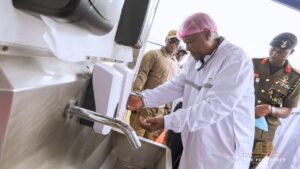
Nestlé believes Ghana will continue to play a leading role in the future of Central and West Africa.

Ethiopia’s marketers gather to celebrate hosting next year’s conference – but with an eye on the hard work ahead.

Tech is creating more ways for audiences to connect, but lasting value will come from understanding the people behind those connections.

The new production line at the historic Maydon Wharf facility in Durban will address growing international demand.

Tanzania, Kenya, Zimbabwe, Ethiopia and South Africa all feature in the African meetings, incentives, conferences and exhibitions awards.
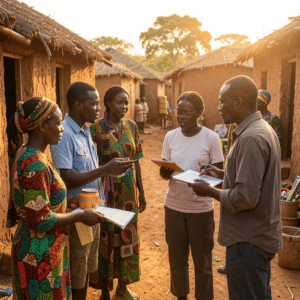
Much of the broader conversation around AI in market research assumes conditions that do not consistently exist across many African markets, writes Soyinka Witness.