
Researchers explain why 10-second micro ads outperform longer spots
Short ads shown on TV increased website visits within five minutes of airing by 10-40% compared with longer advertisements.
SOCIAL MEDIA
By our African Marketing Confederation News Team | 2024
Company is bringing Pinterest’s digital advertising options to 11 new countries, including key sub-Saharan African markets.
Aleph, the global digital advertising company, has announced a sales partnership that will expand Pinterest’s digital advertising options to 11 new markets, including Nigeria and South Africa.
“As a leading visual search and discovery platform with over half a billion global monthly active users, Pinterest has become one of the top destinations for brands trying to reach customers looking to shop,” Aleph says in a statement.
Stephen A. Newton, Aleph’s Managing Director for Sub-Saharan Africa. Photo: Aleph
Aleph first partnered with Pinterest in 2023 to help brands in selected countries to launch cross-border advertising campaigns on the platform. The presence in Eastern and Central Europe has now been expanded to markets in Africa, the Middle East, Asia and Latin America.
Pinterest is a visual-discovery social media platform for finding ideas for recipes, home styling, DIY and other categories. Based in the US city of San Francisco, it launched in 2010. Its approximately 500-million monthly active users (according to Pinterest Internal Data, Global analysis, Q2 2024) is around half that of Instagram, the dominant photo- and video-sharing app
“For the first time, brands in these markets will be able to reach millions of Pinterest users who come to the platform with a passion for discovering new ideas and the commercial intent to bring those ideas to life,” says Matt Hogle, Vice President of Global SMB Sales at Pinterest.
A great opportunity for brands and retailers
Adds Ignacio Vidaguren, Partner and COO at Aleph: “The ability to advertise on Pinterest in these markets will unlock a great opportunity for brands and retailers to reach new customers.”
Commenting on the Nigerian market, Stanislaus Martins, Aleph Managing Director for West Africa, says: “More Nigerians – 13.9% of the country’s internet users – are turning to platforms like Pinterest for content.
“While messaging remains the main social media use case, there is a growing diversity with new users leveraging these platforms for entrepreneurial ventures and opportunities. Our partnership aims to harness the potential of this expanding market and link local businesses with consumers in search of inspiration and products.”
Looking at the South African market, Stephen A. Newton, Aleph’s Managing Director for Sub-Saharan Africa, comments: “South Africa’s social media landscape is one of most vibrant and diverse on the continent, with the estimated 26-million users gravitating to an average of eight platforms per person.
“The growing popularity of Pinterest among local users – nearly half of social media users turn to the platform for inspiration each month – presents a unique opportunity for brands. This partnership allows us to tap into this engaged audience and provide them with the tools to discover and connect with businesses in a meaningful way.”

Short ads shown on TV increased website visits within five minutes of airing by 10-40% compared with longer advertisements.

Supeco’s rapid expansion shows how the discount model is becoming a bigger part of grocery retail in the North African country.

Consumers reward visible eco-friendly additions such as reusable bottles, but give little credit to businesses that reduce or remove products.
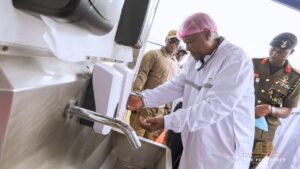
Nestlé believes Ghana will continue to play a leading role in the future of Central and West Africa.
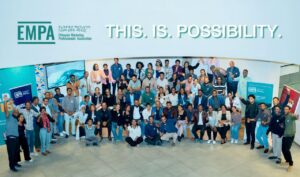
Ethiopia’s marketers gather to celebrate hosting next year’s conference – but with an eye on the hard work ahead.

Tech is creating more ways for audiences to connect, but lasting value will come from understanding the people behind those connections.

The new production line at the historic Maydon Wharf facility in Durban will address growing international demand.

Tanzania, Kenya, Zimbabwe, Ethiopia and South Africa all feature in the African meetings, incentives, conferences and exhibitions awards.
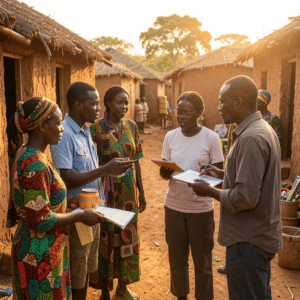
Much of the broader conversation around AI in market research assumes conditions that do not consistently exist across many African markets, writes Soyinka Witness.
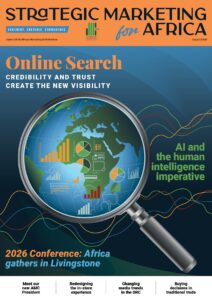
Strategic Marketing for Africa, the publication for deep-thinking African marketing professionals, is not to be missed.

Rwanda’s marketing body is enthusiastic about the F1 announcement, emphasising that ‘investors and visitors follow governance, not slogans’.