AMC confirms Ethiopia will be the host of the 2027 conference
Zambian organisers of the 2026 gathering officially hand over the baton to an ecstatic Ethiopian delegation. Rwanda to host in 2028.
TRADE AREAS
By our African Marketing Confederation News Team | 2025
The country will be the 14th member of the SADC Free Trade Area, providing Angolan businesses with expanded access to new markets.
In what will be the most significant milestone in the past decade for the Southern African Development Community (SADC) Free Trade Area, Angola is set to become the 14th member of the regional market.
Photo: Wikipedia
Full ratification and implementation of Angola’s membership is expected to take place in May or June 2025, according to a statement released by the SADC Secretariat.
“This milestone is not only a victory for Angola but also a significant achievement for the region, reinforcing SADC’s commitment to deepening economic integration, fostering intra-regional trade, and enhancing economic resilience,” the Secretariat states.
“With Angola’s inclusion, the SADC Free Trade Area takes a bold step forward, unlocking new avenues for industrial development, investment and cross-border trade. This achievement underscores the region’s collective vision for a more interconnected, economically vibrant Southern Africa.”
Adds the statement: “As Angola formally integrates into the SADC Free Trade Area, businesses, investors, and consumers across the region stand to benefit from greater economic opportunities, reduced trade barriers and a more competitive regional market.”
The SADC Free Trade Area (known as an FTA) was officially launched in 2008, with the primary goal of promoting intra-regional trade through the elimination of tariffs and non-tariff barriers among participating countries.
The FTA is presently being implement by 13 of the SADC’s 16 member states, creating a market of over 280-million people and facilitating duty free trade on approximately 85% of goods.
Current FTA members are Botswana, Eswatini, Lesotho, Madagascar, Malawi, Mauritius, Mozambique, Namibia, Seychelles, South Africa, United Republic of Tanzania, Zambia and Zimbabwe. The Democratic Republic of Congo (DRC) and Comoros are yet to join the SADC Free Trade Area.
Reduced trade costs and improved market access
“By joining the SADC FTA, Angola stands to benefit immensely from reduced trade costs, improved market access and greater regional cooperation, which are crucial for stimulating local industries, diversifying exports and attracting foreign investment,” comments the Southern African Research and Documentation Centre, which monitors regional developments.
“With Angola’s vast resources, growing industrial base and strategic location along the Atlantic coast, its integration into the SADC trade network is expected to bolster regional value chains, strengthen economic resilience and enhance Africa’s global trade competitiveness.
“This milestone, therefore, marks not just an economic transition for Angola but a significant step forward for Southern Africa’s broader trade ambitions, bringing the region closer to a fully integrated and competitive African market.”
The Southern African Research and Documentation Centre adds that Angola’s participation in the SADC Free Trade Area is set to strengthen its position within the African Continental Free Trade Area (AfCFTA), providing Angolan businesses with expanded access to new markets across the continent while simultaneously boosting investment prospects throughout Southern Africa.
Angola has traditionally relied on its oil exports, which comprise more than 90% of its foreign exchange earnings. However, diversification efforts have gained momentum in recent years, with agriculture, fisheries and manufacturing emerging as important sectors of the economy.

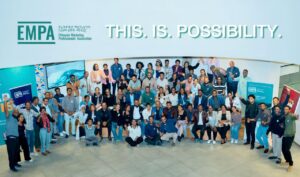
Zambian organisers of the 2026 gathering officially hand over the baton to an ecstatic Ethiopian delegation. Rwanda to host in 2028.

Opening plenary hears that securing Africa’s economic future requires businesses to discover new customers and cross-border opportunities.

Participants challenged to identify, articulate and commercialise the cultural assets that make their brand ready for a global audience.

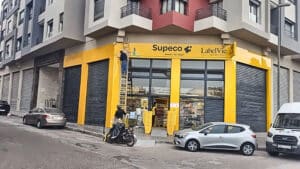
Second outlet planned for Nairobi before year end, with Nigeria, South Africa and Morocco said to be future target markets.

Online search behaviour has changed significantly with the rise of AI. How can African brands adapt to this new marketing landscape?

Researchers propose a framework for packaging that senses, learns and acts – making packaging an active, AI-powered tool against food waste.

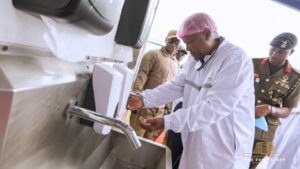
Country needs marketers to build recognition and consumer trust around Malawian products and national brand, says Deputy Minister.

Fashion brand suspends giant lingerie high above the city’s streets, using shadows to create a moving billboard for pedestrians and motorists.

Researchers describe AI influencers as having a ‘dual identity’. Consumers evaluate both ‘person’ and ‘technology’ identities at once.

Reputation and trust, once modest influences on hotel choice, have become some of the strongest predictors of patronage, study finds.

South African brands are increasingly setting the global benchmark for customer loyalty strategies, organisers say.