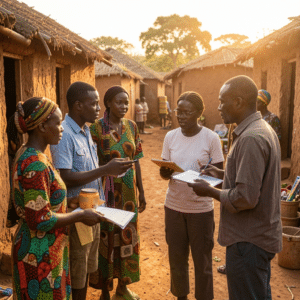
Marketing Society of Rwanda joins the African Marketing Confederation
Its aims include developing professional standards and creating opportunities for Rwandan marketers to learn and network.
ALCOHOLIC DRINKS
By our African Marketing Confederation News Team | 2024
Total volume declined for only the third time in 15 years, but good news is more demand for non-alcoholic products.
As consumers around the world battled various headwinds, the global alcoholic drinks market in 2023 saw a total volume decline for only the third time in 15 years.
Photo: Terricks Noah from Pexels
This is according to the ‘World Market for Alcoholic Drinks 2024’ report released by Euromonitor International. However, the data analytics firm points out that the decline is only 0.2%, and that the good news from a health perspective is that demand across all non-alcoholic drinks categories is booming.
Among the factors that impacted the alcoholic drinks market last year were geopolitical upheavals that hit consumer sentiment, inflation pressure in most markets, and a structural slowdown in the large Chinese market.
“The industry entered negative territory, a rare occurrence, highlighting the severity of the perfect storm facing it,” says Spiros Malandrakis, Head of Alcoholic Drinks Research at Euromonitor International.
Demand for cognacs and RTDs were down
Among the hard-hit sectors were cognacs (volume down 16.6%) and RTDs or ready-to-drink products (down 9.5%). These are drinks that are premixed and ready for consumption.
Adds Malandrakis: “As the no-alcohol and low-alcohol aisles and bar shelves get increasingly more crowded, opportunities in this segment will shift towards functionality, moving beyond brand extensions to embrace unique compositions that push the limits of experimentation, resonating strongly with younger Millennial and Gen Z demographics.”
Among the categories that resisted the downturn in demand was sparkling wine, which capitalised on consumers trading down from more expensive champagne.
Malandrakis said that both off-trade (retail outlets selling alcoholic beverages) and on-trade (bars, nightclubs, restaurants etc) performance had decelerated significantly, losing most of the previous momentum driving the post-pandemic bounce back.
You can access the ‘World Market for Alcoholic Drinks 2024’ report here.

Its aims include developing professional standards and creating opportunities for Rwandan marketers to learn and network.

Latest campaign aims to boost international arrivals while highlighting tourism’s contribution to South Africa’s economy and job creation.

Fast-growing middle class and promotion of electric vehicle adoption presents ‘substantial growth opportunities’ for Chinese brand.

Week of activities and events creates opportunities for networking, knowledge sharing and hearing insights from industry experts.

Research suggests that attention-grabbing campaigns may need to be paired with memorable visual design to influence buying decisions.

Cape Town’s port must be a competitive advantage rather than a bottleneck that constrains trade, investment and supply chains.

Experienced retail executive Ricardo Valente Da Conceicao returns to Africa as GM, bringing expertise gained in various overseas markets.

Local consumers are proving receptive to BIM’s private-label goods and hard-discount model as they struggle with inflationary pressure.

Issue 1 2026 of Strategic Marketing for Africa, the magazine for deep-thinking African marketing professionals, highlights key trends.

Rwanda’s tourism marketing arm signs agreement to be the English club’s main shirt sponsor after deal with Arsenal FC ends.

For too long, the PR landscape has had no shared standard for who practises in it or what responsibility they carry, founders say.