
Airline body urges African governments to act on opening market access
‘Strategies don’t move people. Now it is time to make the difficult decisions and execute them,’ senior executive stresses.
PERSONAL BRANDING
By our News Team | 2022
He made Tesla a household name. But a tangled private life, provocative comments and the Twitter no-deal may be taking a toll on the brand.
By making Tesla and himself so synonymous with one another, Elon Musk has put the company’s increasingly valuable brand at risk. This is according to a recent report by news agency Bloomberg, which says the CEO’s public persona – once a big asset – is increasingly a liability in the electric vehicle (EV) supremacy race.
The news agency acknowledges that Musk’s star power, built in no small part by his activity on Twitter — the same forum where he’s become such a lightning rod — has contributed immensely to Tesla, especially since it’s shunned traditional advertising.
Photo by Steve Jurvetson via Wikipedia
“His steady stream of online banter, punctuated with the occasional grandiose announcement or stunt keeps Tesla in the headlines. During the company’s earlier days, the trolling and glib comments were a feature, not a bug. They allowed Musk to shape media coverage and made him the ringleader for Tesla’s legion of very-online fans,” Bloomberg notes.
Musk and Tesla synonymous with each other
“But after making Tesla and himself so synonymous with one another, Musk has waded into political conflicts, attempted to buy one of the world’s most influential social media platforms and struggled to bat back unflattering coverage of his personal life, putting the company’s increasingly valuable brand at risk.”
According to the news report, Creative Strategies – a California-based customer-experience measurer – mentioned owner frustration with Musk in a study it published in April. A year earlier, research firm Escalent found Musk was the most negative aspect of the Tesla brand among electric-vehicle owners surveyed.
“We hear from Tesla owners who will say, ‘Look, I love my vehicle, but I really wish I didn’t have to respond to my friends and family about his latest tweet,’” said Mike Dovorany, who spoke with thousands of EV owners and potential buyers during his two years working in Escalent’s automotive and mobility group.
Janine Hills, Founder and CEO of Africa-based communications agency, Authentic Leadership, calls it “a classic example of a brand being built around a person”.
She writes in a LinkedIn post: “Leadership within an organisation is vital; not a person but rather a team of professionals. Limit the risk; share the messages and the stage.”

‘Strategies don’t move people. Now it is time to make the difficult decisions and execute them,’ senior executive stresses.

UTB says its ambition is to turn the visibility into interest, bookings and more visitors choosing to explore Uganda.

Short ads shown on TV increased website visits within five minutes of airing by 10-40% compared with longer advertisements.

Supeco’s rapid expansion shows how the discount model is becoming a bigger part of grocery retail in the North African country.

Consumers reward visible eco-friendly additions such as reusable bottles, but give little credit to businesses that reduce or remove products.
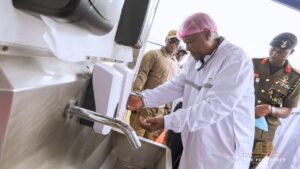
Nestlé believes Ghana will continue to play a leading role in the future of Central and West Africa.
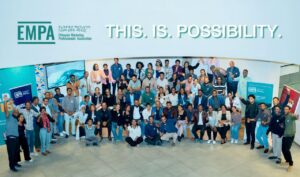
Ethiopia’s marketers gather to celebrate hosting next year’s conference – but with an eye on the hard work ahead.

Tech is creating more ways for audiences to connect, but lasting value will come from understanding the people behind those connections.
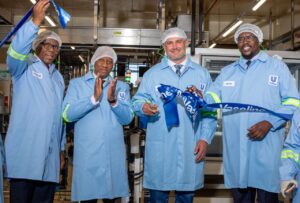
The new production line at the historic Maydon Wharf facility in Durban will address growing international demand.

Tanzania, Kenya, Zimbabwe, Ethiopia and South Africa all feature in the African meetings, incentives, conferences and exhibitions awards.
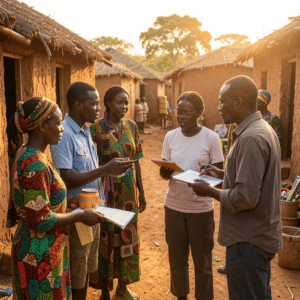
Much of the broader conversation around AI in market research assumes conditions that do not consistently exist across many African markets, writes Soyinka Witness.