Pre-conference masterclass discusses taking African brands to the world
Participants challenged to identify, articulate and commercialise the cultural assets that make their brand ready for a global audience.
PRICING STRATEGY
By our News Team | 2022
Market forces have pushed some of the world’s biggest companies into charging their customers more. But for how long in this tenable?
Consumer goods companies around the world have been steadily increasing their prices to customers as their own costs rise. And, while they seem to have got away with it for the moment, the head of Coca-Cola has warned that there may soon be public push-back.
Coca-Cola CEO James Quincey warned during a call with investment analysts last week that the tide could be turning on consumers’ willingness to pay higher prices, CNN and other media outlets reported.
So far, businesses have been able to comfortably raise prices because of special circumstances, Quincey said. And consumers were less likely to blink at price increases on individual items when costs were going up across the board.
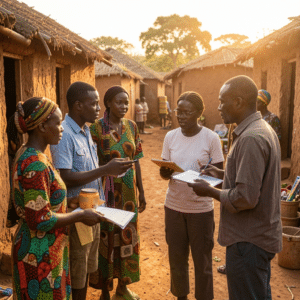
Photo by Breston Kenya from Pexels
But he emphasised that the circumstances were temporary.
“Eventually, it moves to another phase where there’s inflation and a squeeze on the income,” Quincey said. “It’s easier to do pricing in a stimulus environment where everyone else is going up. It’s much harder when there’s a real squeeze on income.”
However, Quincey’s comments don’t mean that Coca-Cola is shying away from price increases. “The company raised prices last year, and may do so again this year if needed,” CNN reported.
PepsiCo, arch-rival to Coca-Cola, is another that will be raising prices. In its own call with analysts last week, the company’s Chief Financial Officer, Hugh Johnston, confirmed that price rises could be “pretty healthy” in 2022 because of the rising cost of production.
According to Forbes business magazine, cereal-makes Kellogg and coffee brand Starbucks are among other big names planning price hikes in 2022.

Participants challenged to identify, articulate and commercialise the cultural assets that make their brand ready for a global audience.

Second outlet planned for Nairobi before year end, with Nigeria, South Africa and Morocco said to be future target markets.

Online search behaviour has changed significantly with the rise of AI. How can African brands adapt to this new marketing landscape?

Researchers propose a framework for packaging that senses, learns and acts – making packaging an active, AI-powered tool against food waste.

Country needs marketers to build recognition and consumer trust around Malawian products and national brand, says Deputy Minister.

Fashion brand suspends giant lingerie high above the city’s streets, using shadows to create a moving billboard for pedestrians and motorists.

Researchers describe AI influencers as having a ‘dual identity’. Consumers evaluate both ‘person’ and ‘technology’ identities at once.

Reputation and trust, once modest influences on hotel choice, have become some of the strongest predictors of patronage, study finds.

South African brands are increasingly setting the global benchmark for customer loyalty strategies, organisers say.

Global influences among younger consumers are still present, but they are being filtered through a distinctly Zambian lens.

Researchers find that lack of perceived ‘genuine care’ is the mechanism connecting AI involvement to lower trust ratings.