
Airline body urges African governments to act on opening market access
‘Strategies don’t move people. Now it is time to make the difficult decisions and execute them,’ senior executive stresses.
CUSTOMER SERVICE
By our African Marketing Confederation News Team | 2025
Deaf and hard-of-hearing shoppers are able to scan QR codes available at key points to connect with an interpreter via video call.
South Africa’s Eastgate Shopping Centre, located just outside Johannesburg, has introduced a real-time interpreting service for its deaf shoppers.
Photo: Eastgate Shopping Centre
The project is a collaboration with Convo South Africa to improve accessibility and convenience for the hearing-impaired community. Convo claims to be the world’s largest deaf-owned business with over 500 employees serving five countries in 10 different languages.
Through this partnership, the shopping centre provides on-demand access to South African Sign Language (SASL) interpreters at customer service points located across the centre. Deaf and hard-of-hearing shoppers are able to scan QR codes displayed at these points to connect with an interpreter via video call.
According to Eastgate, the service is quick, intuitive and offered at no cost to the customer.
“Inclusivity should not be an afterthought,” says Saadiyah Kahn, the centre’s General Manager. “We’ve been looking closely at how we can better accommodate shoppers with varying needs, and this partnership with Convo is an important first move. We are committed to ensuring every customer feels seen, understood and respected.”
In a press release, Eastgate says integrating the technology into its customer-service offering “is a step towards shaping an environment where communication barriers are actively removed. The rollout also signals the need to rethink how public spaces can better serve all members of the community”.
The centre is one of the largest shopping venues in greater Johannesburg and houses 200-plus retailers and various other services.

‘Strategies don’t move people. Now it is time to make the difficult decisions and execute them,’ senior executive stresses.

UTB says its ambition is to turn the visibility into interest, bookings and more visitors choosing to explore Uganda.

Short ads shown on TV increased website visits within five minutes of airing by 10-40% compared with longer advertisements.
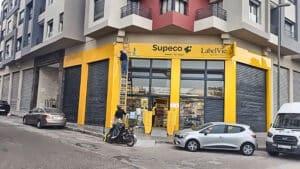
Supeco’s rapid expansion shows how the discount model is becoming a bigger part of grocery retail in the North African country.

Consumers reward visible eco-friendly additions such as reusable bottles, but give little credit to businesses that reduce or remove products.
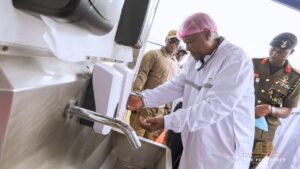
Nestlé believes Ghana will continue to play a leading role in the future of Central and West Africa.
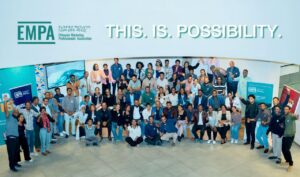
Ethiopia’s marketers gather to celebrate hosting next year’s conference – but with an eye on the hard work ahead.

Tech is creating more ways for audiences to connect, but lasting value will come from understanding the people behind those connections.

The new production line at the historic Maydon Wharf facility in Durban will address growing international demand.

Tanzania, Kenya, Zimbabwe, Ethiopia and South Africa all feature in the African meetings, incentives, conferences and exhibitions awards.
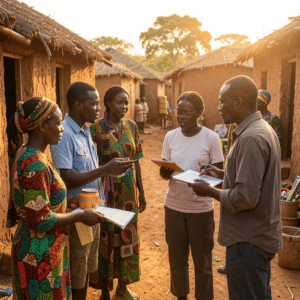
Much of the broader conversation around AI in market research assumes conditions that do not consistently exist across many African markets, writes Soyinka Witness.