
Airline body urges African governments to act on opening market access
‘Strategies don’t move people. Now it is time to make the difficult decisions and execute them,’ senior executive stresses.
SOCIAL MEDIA INFLUENCERS
By our News Team | 2022
Journey from unemployed factory worker to the most popular personality on TikTok with more than 146-million followers.
Khaby Lame, the Senegalese-born TikTok megastar and social media influencer, last month became the most popular personality on the rapidly growing channel by overtaking dance video star Charli D’Amelio.
As of today (Tuesday) Lame has 146.4-million followers on TikTok. D’Amelio, on the other hand, has 143.8-million followers.
Lamy trailed D’Amelio, who was the first person to pass 100-million followers on TikTok, until late June when he surpassed her 142.3 million followers. He has since sprinted ahead.
According to Forbes business magazine, D’Amelio and her sister Dixie – who is also a TikTok dance celebrity – banked an estimated US$27.5-million in 2021. This means Lame must now be well and truly in the money as a global influencer.
Photo of Khaby Lame courtesy of Hugo Boss
From unemployed factory worker to superstar
Lame, aged 22, moved to Italy from Senegal as a one-year-old and still lives there. He was reportedly a factory worker until the pandemic struck and he lost his job. He then turned to making short, self-depreciating, comic videos.
With his big eyes and funny facial expressions, he proved the perfect foil for his videos which silently mock overly complicated life-hack videos and make fun out of everyday situations. “It’s my face and my expressions which make people laugh,” he told The New York Times in 2021.
Lamy has fan pages around the world and has done high-profile brand ambassador work for the likes of Pepsi and Hugo Boss. The latter is in the midst of a major rebranding exercise and has also signed up reality TV star Kendall Jenner of Kardashians fame, and Hailey Beiber, American model and wife of musician Justin Beiber.
Popular among younger audiences – including the sought-after Gen Z grouping defined by Pew Research as those born after 1996 – the TikTok app allows users to express their creativity and showcase relatable everyday content through short videos that are between 15 seconds and three-minutes long.

‘Strategies don’t move people. Now it is time to make the difficult decisions and execute them,’ senior executive stresses.

UTB says its ambition is to turn the visibility into interest, bookings and more visitors choosing to explore Uganda.

Short ads shown on TV increased website visits within five minutes of airing by 10-40% compared with longer advertisements.

Supeco’s rapid expansion shows how the discount model is becoming a bigger part of grocery retail in the North African country.

Consumers reward visible eco-friendly additions such as reusable bottles, but give little credit to businesses that reduce or remove products.

Nestlé believes Ghana will continue to play a leading role in the future of Central and West Africa.
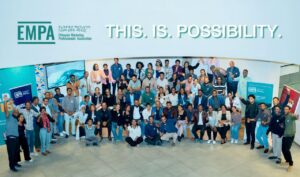
Ethiopia’s marketers gather to celebrate hosting next year’s conference – but with an eye on the hard work ahead.

Tech is creating more ways for audiences to connect, but lasting value will come from understanding the people behind those connections.

The new production line at the historic Maydon Wharf facility in Durban will address growing international demand.

Tanzania, Kenya, Zimbabwe, Ethiopia and South Africa all feature in the African meetings, incentives, conferences and exhibitions awards.
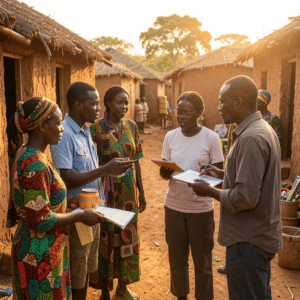
Much of the broader conversation around AI in market research assumes conditions that do not consistently exist across many African markets, writes Soyinka Witness.