
Airline body urges African governments to act on opening market access
‘Strategies don’t move people. Now it is time to make the difficult decisions and execute them,’ senior executive stresses.
SPORTS MARKETING
By our News Team | 2023
Brand will create fanwear that targets Formula 1’s different audiences with lifestyle and motorsport collections.
Sports company Puma and Formula 1 have signed an agreement which will make the German-based company the official supplier at Formula 1 races, granting it the right to produce F1 branded apparel, footwear and accessories.
Puma will also equip Formula 1 staff at track and create Formula 1 fanwear that targets the sport’s different audiences with lifestyle and motorsport collections. The contract includes exclusive rights to sell F1 fanwear – and fanwear of all 10 competing teams – around the race circuit, starting in 2024.
Photo courtesy of Puma
The company has a long and successful history in motorsport. It has developed fireproof overalls, race shoes and other high-performance racing gear for F1 drivers since the mid-1980s – as well as teamwear, fanwear and lifestyle collections for the sport’s most successful teams.
Today, it is a leading provider of race gear and lifestyle collections in motorsport with partners such as Mercedes AMG Petronas F1, Scuderia Ferrari, Alfa Romeo F1 Team Stake, BMW M Motorsport and Porsche Motorsport.
Experiencing a sharp rise in popularity
“Formula 1 has seen a sharp rise in popularity in recent years, with its fanbase becoming younger and more diverse,” Puma says in a media statement.
“Cumulative TV audiences have … grown to reach 1.5-billion viewers [and] race attendance also reached record levels in 2022, with the sport continuing to grow on social media. The partnership provides Puma with the opportunity to augment its established dominance in the sport by appealing to a broader fan base, tap into more diverse consumer groups, and bring the inspiration of on-track gear to off-track fashion.”
According to Puma CEO Arne Freundt, it has become the “most authentic and credible” sports brand in motorsports.
“The influence of motorsport, and Formula 1 in particular, on sports- and streetwear culture has significantly increased in recent years,” he says.
“Our new partnership with Formula 1 is an exciting opportunity to further explore this blend of motorsports and lifestyle. Puma has always sat at the intersection of sports and fashion, and we feel we are in the perfect position to translate the culture of the sport into relevant streetwear collections and drive brand heat with a young, affluent and diverse audience.”

‘Strategies don’t move people. Now it is time to make the difficult decisions and execute them,’ senior executive stresses.

UTB says its ambition is to turn the visibility into interest, bookings and more visitors choosing to explore Uganda.

Short ads shown on TV increased website visits within five minutes of airing by 10-40% compared with longer advertisements.

Supeco’s rapid expansion shows how the discount model is becoming a bigger part of grocery retail in the North African country.

Consumers reward visible eco-friendly additions such as reusable bottles, but give little credit to businesses that reduce or remove products.

Nestlé believes Ghana will continue to play a leading role in the future of Central and West Africa.
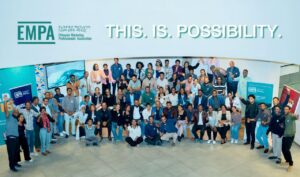
Ethiopia’s marketers gather to celebrate hosting next year’s conference – but with an eye on the hard work ahead.

Tech is creating more ways for audiences to connect, but lasting value will come from understanding the people behind those connections.
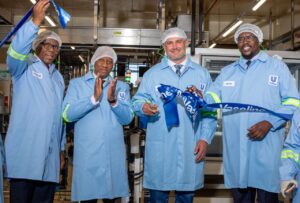
The new production line at the historic Maydon Wharf facility in Durban will address growing international demand.

Tanzania, Kenya, Zimbabwe, Ethiopia and South Africa all feature in the African meetings, incentives, conferences and exhibitions awards.

Much of the broader conversation around AI in market research assumes conditions that do not consistently exist across many African markets, writes Soyinka Witness.