
Researchers explain why 10-second micro ads outperform longer spots
Short ads shown on TV increased website visits within five minutes of airing by 10-40% compared with longer advertisements.
WEBSITE OPTIMISATION
By our News Team | 2022
Websites have long been a business necessity. Ensure yours is visible and maximises opportunities to convert prospects into customers.
While WordPress is an SEO-friendly platform, there are still several things that an organisation can to do ensure its website is optimised to its fullest extent for search engines.
According to Domains.co.za, a domain name and website hosting provider, the following are among the most important steps:
Photo by Pixabay via Pexels
Create a dynamic sitemap
A dynamic sitemap automatically updates with every new page added, making it easier for web owners and search engines to navigate. Compared to static sitemaps, which need to be updated manually, dynamic sitemaps are delivered faster and more efficiently.
Utilise SEO plugins
Yoast SEO is one of the most popular SEO plugins available for WordPress websites. It detects any SEO issues on your site as well as checking that you are following best practices for ‘on-page SEO’.
Use unique title tags
Each web page should have its own unique title tag that accurately describes its content in a concise way (50–60 characters). This will help search engines better understand what your page is about and display it in search results.
Add internal links
Linking to other pages on your website can help increase traffic and boost SEO. Additionally, adding internal links will make it easier for visitors to find more relevant content on your website.
Use optimised images
Always save images in the correct dimensions and scale for the web. You should also use descriptive file names that include keywords related to the image, as well as optimise ALT tags with relevant keywords so that they appear in Google Images searches.
Implement structured data markup
Structured data markup helps search engines understand the content of a page more easily and accurately, which can result in increased visibility in search results.
Optimise your URLs
URL structure should be short and descriptive, not long and confusing. It’s also a good idea to include keywords related to the page content in your URL – this will help with SEO ranking.
Monitor website speed
Page speed is an important SEO factor, as it directly affects user experience and can have a negative impact on rankings if it’s too slow. Use tools such as Google Pagespeed Insights or Pingdom Tools to test your website’s speed and get suggestions for increasing performance.
Leverage social media platforms
Having an active presence on social media platforms can also help improve SEO ranking by driving more traffic to your website. Posting regularly, using relevant hashtags, and engaging with followers can help increase your visibility on search engines.
Check your SEO progress
Use tools such as Google Search Console and Bing Webmaster Tools to check your website’s performance and obtain insights as to how to improve it.

Short ads shown on TV increased website visits within five minutes of airing by 10-40% compared with longer advertisements.

Supeco’s rapid expansion shows how the discount model is becoming a bigger part of grocery retail in the North African country.

Consumers reward visible eco-friendly additions such as reusable bottles, but give little credit to businesses that reduce or remove products.

Nestlé believes Ghana will continue to play a leading role in the future of Central and West Africa.

Ethiopia’s marketers gather to celebrate hosting next year’s conference – but with an eye on the hard work ahead.

Tech is creating more ways for audiences to connect, but lasting value will come from understanding the people behind those connections.

The new production line at the historic Maydon Wharf facility in Durban will address growing international demand.

Tanzania, Kenya, Zimbabwe, Ethiopia and South Africa all feature in the African meetings, incentives, conferences and exhibitions awards.

Much of the broader conversation around AI in market research assumes conditions that do not consistently exist across many African markets, writes Soyinka Witness.
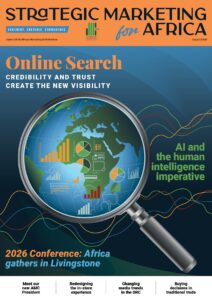
Strategic Marketing for Africa, the publication for deep-thinking African marketing professionals, is not to be missed.

Rwanda’s marketing body is enthusiastic about the F1 announcement, emphasising that ‘investors and visitors follow governance, not slogans’.