
Airline body urges African governments to act on opening market access
‘Strategies don’t move people. Now it is time to make the difficult decisions and execute them,’ senior executive stresses.
SUPPLY CHAIN
By our African Marketing Confederation News Team | 2025
International project to develop Banana Port has the potential to reshape the trade, logistics and supply chain landscape of the country.
Banana Port in the Democratic Republic of Congo, which is being hailed as a transformative project that will reshape the trade and logistics landscape of the DRC, is continuing to move forward with its development to make it the country’s first deepwater container port.
The port is located near the mouth of the Congo River, in Kongo Central province, and when operational will supersede the port of Matadi, which lies 150km upstream of the Congo River.
The site of the new Banana Port in the DRC. Photo: DP World
Currently, 90% of the DRC’s imports and exports of containers and general cargo is handled by Matadi, which has limitations on the size of ships it can accommodate due to the Congo River’s depth and width.
The efficiencies that will be created when Banana Port becomes operational are expected to cut the cost of trade in DRC by 12%, according to British International Investment (BII), the UK’s development finance institution and impact investor. Unlocking trading potential and enhancing the supply chain is a key driver of economic growth in all African economies.
BII is a minority investor in the new port, with the major investor being DP World. The latter is a global logistics company based in Dubai. It specialises in cargo logistics, port terminal operations, maritime services and free trade zones.
Last week, DP World announced the selection of Portuguese engineering conglomerate Mota-Engil to lead the construction of Banana Port.
Mota-Engil has extensive experience in port development and logistics support in Africa. Currently, the company is part of the consortium operating the Lobito Corridor, which is a railway route connecting DRC’s copper belt to Angola’s Lobito port.
“By partnering with Mota-Engil, we are ensuring that this world-class infrastructure is built to the highest standards, fostering economic growth. Banana Port is a transformative project that will reshape the trade and logistics landscape of the DRC,” said Sultan Ahmed bin Sulayem, CEO of DP World.
Banana Port will be developed in phases. The first involves building a 600-meter quay with 18m of depth, which will enable the port to handle large container vessels. The second phase will extend the quay by over two kilometres. Completion dates have yet to be confirmed.
“As one of Africa’s largest infrastructure projects, the Banana Port will facilitate trade across the continent. Many African economies rely on efficient transport corridors, and the port will provide a direct maritime route for goods, lowering business costs and boosting intra-African trade under the African Continental Free Trade Area (AfCFTA),” reports EuroNews, the international news channel.

‘Strategies don’t move people. Now it is time to make the difficult decisions and execute them,’ senior executive stresses.

UTB says its ambition is to turn the visibility into interest, bookings and more visitors choosing to explore Uganda.

Short ads shown on TV increased website visits within five minutes of airing by 10-40% compared with longer advertisements.

Supeco’s rapid expansion shows how the discount model is becoming a bigger part of grocery retail in the North African country.

Consumers reward visible eco-friendly additions such as reusable bottles, but give little credit to businesses that reduce or remove products.
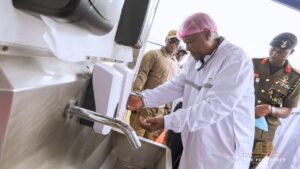
Nestlé believes Ghana will continue to play a leading role in the future of Central and West Africa.
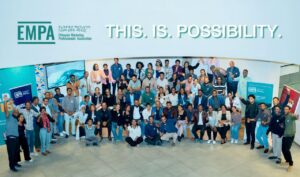
Ethiopia’s marketers gather to celebrate hosting next year’s conference – but with an eye on the hard work ahead.

Tech is creating more ways for audiences to connect, but lasting value will come from understanding the people behind those connections.

The new production line at the historic Maydon Wharf facility in Durban will address growing international demand.

Tanzania, Kenya, Zimbabwe, Ethiopia and South Africa all feature in the African meetings, incentives, conferences and exhibitions awards.
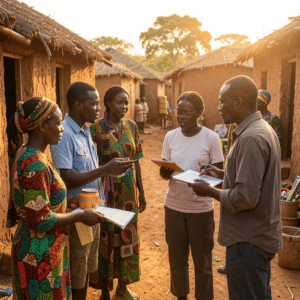
Much of the broader conversation around AI in market research assumes conditions that do not consistently exist across many African markets, writes Soyinka Witness.