Lay’s World Cup marketing strategy focuses on fan fun and togetherness
Epic watch party-themed campaign for the upcoming FIFA World Cup features major international soccer stars and a touch of Hollywood.
RETAIL DEVELOPMENT
By our African Marketing Confederation News Team | 2026
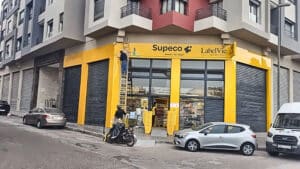
Rwanda’s evolving modern retail sector is reshaping itself on data-driven consumer insights and local know-how.
A confluence of factors in Rwanda is pushing incomes up and fuelling the expansion of the urban middle class – and the emergence of the country’s consumer of the future.
A Deli Box outlet in Kigali
Recently, a TV broadcast sponsored by the Rwanda Development Board and Visit Rwanda – aired on CNBC Africa – went behind the scenes to show just why the modern retail offering is taking off.
For Alex Muganwa, co-founder of Sawa Citi Supermarket, this is just the beginning of a retail sector expansion that will support the future development of Rwanda by creating employment and training opportunities for a young population eager for job opportunities.
Founded 13 years ago by Muganwa and his childhood friend, Theogene Kubwimana, Sawa Citi began with just 10 employees and now boasts a workforce of around 300. In April 2025, Sawa Citi opened the first Spar-branded store in the capital, Kigali.
“This sector is going to be the number one employer in this country,” Muganwa said during an interview on the TV programme, noting that as Rwanda develops so too will the smaller general stores – or dukas – disappear.
“More and more young people will choose to buy in convenient, modern trade,” he noted. This will attract international players who can help to further professionalise and modernise the nascent supermarket sector by injecting much-needed expertise and training into the ecosystem.
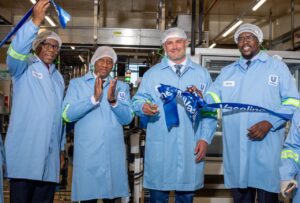
Already, French supermarket group Coopérative U is set to open its first store in Kigali in 2026, with 10 more outlets planned for the subsequent five years. This will create 500 new jobs and comes with a pledge to support local suppliers and producers.
Similarly, Muganwa and the likes of Samuel G. Teame, Deputy Manager: Simba Supermarket, and Alex Howe, co-founder of Deli Box Rwanda, have all adopted a stance of supporting made-in-Rwanda produce to ensure the development of national industries and agricultural businesses.
Beefing up the local supply lines
Founded 17 years ago, Simba Supermarket already dedicates aisles at its stores to Rwandan produce.
This is a big drawcard, said Teame. While not all needs can be met locally, especially when it comes to fresh produce and luxury items like wine and olive oil, he emphasised that local supply chains are developing.
“A lot of manufacturing in Rwanda is happening that allows those local producers to produce whatever product is being imported. It’s very good for the local economy,” he stated in the Rwanda Development Board/Visit Rwanda broadcast. “It allows us also to save dollars, or any foreign currency … to make sure that whatever we have available in Rwanda doesn’t have to be imported.”
Find out more in the latest issue (Issue 4 2025) of Strategic Marketing for Africa – the voice of African marketing and the official publication of the African Marketing Confederation (AMC). Read it online here. A Print Edition is also available.

Epic watch party-themed campaign for the upcoming FIFA World Cup features major international soccer stars and a touch of Hollywood.

Despite income gains, financial pressure remains visible in consumer behaviour, latest data from the Marketing Research Foundation reveals.

Media Council of Kenya’s latest survey highlights significant change that has implications for regulation, ethics and misinformation.

Three new facilities in Harare significantly expand domestic production capacity in cereals, pasta and biscuits.

What makes brands successful in Africa? A summary of the award-winning paper presented at Esomar’s first conference in Africa.

For African brands navigating today’s complex export markets, traceability can be turned into a competitive edge.

Study finds that transparent windows or cut-outs in packaging create greater psychological affinity with shoppers.

Marketing associations from across Europe nominated national champions, with 10 finalists competing for the Marketer of the Year title.

With South Africa’s ports beset by challenges, Namibia wants to entrench Walvis Bay as a better logistics corridor for landlocked neighbours.

For African marketers, Chat GPT ads will be a new intent-based frontier, arguably of higher quality than passive social feeds.

WARC outlines the consumer trends that will shape the remainder of 2026, with ‘comfort’ a key driver of spending.