RETAIL

FMCG retail in South Africa lifted by economic tailwinds in 2025

By our African Marketing Confederation News Team | 2026

Retailers enjoyed genuine momentum last year. But the volatile geopolitical climate and commodity prices are 2026 challenges.

NielsenIQ South Africa has released its State of the Retail Nation analysis for the calendar year of 2025, showing healthy growth in retail sales value and volume. 


According to the marketing insight agency, consumers spent around US$40.5-billion (R683.3-billion) on fast-moving consumer goods through traditional and modern trade channels during the year under review. This represents year-over-year value growth of 5.7%, with unit sales increasing by 6.7%. 


“During 2025, South Africa’s FMCG sector showed resilience in navigating persistent headwinds such as high unemployment and low economic growth, while taking advantage of tailwinds such as a stronger rand and moderating inflation,” says Zak Haeri, Managing Director for NIQ in South Africa. 

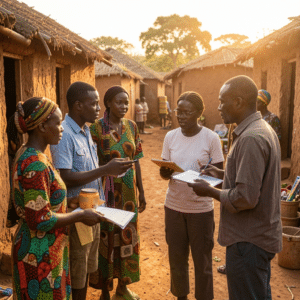
Photo: Eduardo Soares from Pexels

“We saw genuine momentum in 2025 as real wages improved and spending lifted across most categories. But the volatile geopolitical climate, a backdrop of trade tensions and spiking prices for commodities such as cocoa and coffee could challenge FMCG brands and retailers in the months to come.” 


FMCG market: Snacks is still the star performer 


Food, the largest category, was up 6.3% for the year and saw a 5.9% sales volume increase. The fastest-growing segments for the full year were non-alcoholic beverages (up 7.5%) and snacking (up 7.9%). These categories also saw impressive sales volume growth, with non-alcoholic beverages up 7.1% and snacking up 13.5% – indicating unit sales growth over and above inflation. 


Traditional trade outperforms modern trade 


The bulk of FMCG retail sales for the year went through modern trade channels such as supermarket chains, franchised grocery stores and e-commerce platforms. Traditional trade channels (which include independent superettes, spaza shops and taverns) racked up around US$10-billion (R170.1-billion) in sales. 


However, sales growth in traditional trade is outpacing modern trade, Haeri says. 


“Convenience is one reason for traditional trade’s outperformance during 2025. With more than 140,000 traditional trade outlets versus around 11,000 modern trade outlets, traditional traders offer unmatched accessibility, especially for shoppers in remote and rural areas. 


“Traditional trade is also benefitting from a trend of households going to the shops more often, buying smaller packs and purchasing less per trip to the shops. With many traditional traders leveraging their networks to buy bulk from wholesalers and distributors, they are more price competitive with modern trade than they were before. In this context, shoppers have less incentive to travel to larger stores to make big purchases.” 


2026 outlook: Turbulence ahead? 


Looking to the rest of 2026, Haeri believes that it would not be surprising to see consumer inflation rise again due to supply chain pressures and energy costs, particularly if the war in the Middle East is prolonged. FMCG retailers and manufacturers should ensure that they are structured to respond rapidly if headwinds emerge or tailwinds strengthen. 


“You cannot predict external shocks, but you can control how quickly you respond and how resilient your supply chain is. Promotions and pack architecture are important levers in a price-sensitive market like South Africa,” says Haeri.  


“Winning is about managing both actual value and perceived value. Strong brands have more room to move.”

author avatar
Jason Lottering