Africa declares a new standard for its communications profession
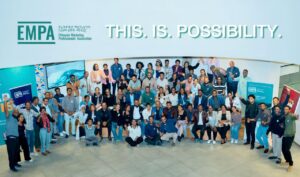
For too long, the PR landscape has had no shared standard for who practises in it or what responsibility they carry, founders say.
BUSINESS STRATEGY
By our African Marketing Confederation News Team | 2024
Nigeria’s tough business environment and foreign exchange difficulties last year caused company’s biggest loss in 77 years.
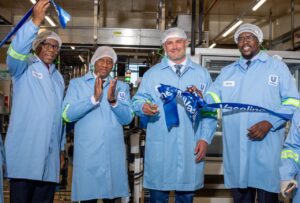
Nigerian Breweries, which is majority owned by global brewing giant Heineken, is suspending production at two of its nine plants in the country in the wake of a significant loss of US$93-million (N106–billion) last year.
Photo: Nigerian Breweries
The two plants that will close – the company calls it a “temporary suspension” – have not yet been named. Nigerian Breweries says it is in discussion with unions over the situation.
“We recognise and regret the impact that the suspension of brewery operations in the two affected locations may have on our employees,” Hans Essaadi, Nigerian Breweries’ CEO, said.
“We are committed to limiting the impact on people as far as possible and providing strong support and severance packages to all affected.
“The tough business landscape characterised by double-digits inflation rates, naira devaluation, FX challenges and diminished consumer spend has taken its toll on many businesses, including ours,” Essaadi added.
“This is why we have taken the decision to further consolidate our business operations for efficient cost management. It will also improve our operational and financial stability, and help return our business back to profitability, as we work together to secure the business for today and for future sustainable growth.”
Biggest loss in 77 years of operation
Last year’s loss of $93-million is Nigerian Breweries’ biggest after-tax loss last year since it began operations in the country 77 years ago. This is compared to a compared to a $27-million profit in 2022.
Foreign exchange losses were the key driver in 2023, given that the naira lost significant value and the import cost of raw materials consequently skyrocketed.
Nigerian Breweries is now undertaking a business-wide reorganisation as part of a strategic recovery plan.
The company’s brands include Legend Extra Stout, Turbo King Dark Ale, Heineken Premium Lager, Star Lager Beer, and Tiger Lager Beer.
Going forward, one of the positive opportunities is the company’s acquisition of an 80% stake in Distell Wines and Spirits Limited, a local business in the wines and spirits category.
Nigerian Breweries has also secured an exclusive right to import all Heineken Beverages wines, spirits and cider brands from South Africa. This includes a license to market and distribute all the products in Nigeria, as well as to produce any of the imported brands within Nigeria.

For too long, the PR landscape has had no shared standard for who practises in it or what responsibility they carry, founders say.

By carefully selecting followers to engage with an influencer’s post, marketers can significantly increase the post’s spread.

SA’s Advertising Regulatory Board finds Kia advertisement could be offensive to people with certain health disorders.

Global study finds AI is helping marketers produce more – but is not creating the time and creative space they expected.

Urban Africa will double its footprint, adding the equivalent of more than 4,000 Manhattans or almost 400 Singapores, The Economist reports.

Luc Demez brings experience from Europe and African countries as the Carrefour brand looks to expand into Nigeria with a local partner.

What makes brands successful in Africa? A summary of the award-winning paper presented at Esomar’s first conference in Africa.

Woolworths supermarket chain embraces an AI-powered chef as it leverages two decades of recipes to answer an age-old family question.

Consumers are prioritising their wellness despite tighter wallets, meaning sportswear remains one of the most resilient areas of fashion.

Nominations for the 2026 African Marketing Confederation and African Supply Chain Confederation awards close on 31 July.

Consumers may stick with troubled brands because their emotional attachment overrides the perceived risk, study finds.