Africa declares a new standard for its communications profession
For too long, the PR landscape has had no shared standard for who practises in it or what responsibility they carry, founders say.
BUSINESS STRATEGY
By our African Marketing Confederation News Team | 2024
Cola wars in Congo? Two new PepsiCo bottling plants for Kinshasa and Lubumbashi as Angolan-based bottler for Coca-Cola plans own DRC facility.
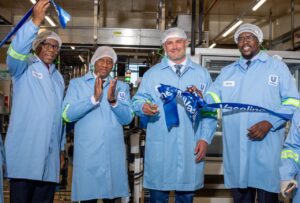
Photo: PepsiCo
Indian-based Varun Beverages, a prominent PepsiCo bottler in various parts of Africa and other emerging markets, has officially launched its new bottling plant in Kinshasa in the Democratic Republic of Congo (DRC).
Apart from serving local consumers, it will also be a springboard for exports into Cameroon, Gabon and neighbouring Republic of Congo.
The Kinshasa facility’s capacity is 1.2-million bottles per day. PepsiCo brands to be produced include Pepsi, Mirinda Orange, Mirinda Fruity, Mountain Dew, 7UP, and Aquafina bottled water.
A second Varun Beverages plant is under construction in the city of Lubumbashi to target consumers the south of the sprawling DRC.
Varun, which is part of the RJ Corporation food and drinks group, is the Pepsi bottler for Morocco, Mozambique, Zambia, Zimbabwe, Madagascar, South Africa, Lesotho, Eswatini, Namibia and Botswana. It also has PepsiCo snack-manufacturing operations in Morocco, Zimbabwe and Zambia.
According to Indian media reports, Varun Beverages is among the largest PepsiCo franchisees outside the United States.
Taking on Coca-Cola in Africa
“PepsiCo is making a big push to take on Coca-Cola’s dominance across Africa, especially as Coca-Cola reshapes its bottling agreements in the wake of parting with longtime bottler Castel in eight francophone markets,” comments Trendtype, the emerging markets consultancy.
In February 2024, Angolan soft drinks manufacturer and brewer Refriango announced it would open a new US$50-million factory in the DRC, located in the Maluku Special Economic Zone. Refriango is the Coca-Cola bottler in Angola.
In July this year, Varun entered into an agreement with PepsiCo to manufacture and distribute snacks in Zimbabwe and Zambia.
The company called it a strategic move to grow its presence in the African snacks market, and said it planned to invest approximately US$7-million in establishing facilities in both countries to produce PepsiCo’s Simba Munchiez brand of snacks.
Zimbabwe’s facility is expected to be operational by October 2025, while the Zambia plant is scheduled for around April 2026. Each of the new sites will have the capacity to produce approximately 5,000 metric tonnes of snacks annually for their respective markets.

For too long, the PR landscape has had no shared standard for who practises in it or what responsibility they carry, founders say.

By carefully selecting followers to engage with an influencer’s post, marketers can significantly increase the post’s spread.

SA’s Advertising Regulatory Board finds Kia advertisement could be offensive to people with certain health disorders.

Global study finds AI is helping marketers produce more – but is not creating the time and creative space they expected.

Urban Africa will double its footprint, adding the equivalent of more than 4,000 Manhattans or almost 400 Singapores, The Economist reports.

Luc Demez brings experience from Europe and African countries as the Carrefour brand looks to expand into Nigeria with a local partner.

What makes brands successful in Africa? A summary of the award-winning paper presented at Esomar’s first conference in Africa.

Woolworths supermarket chain embraces an AI-powered chef as it leverages two decades of recipes to answer an age-old family question.

Consumers are prioritising their wellness despite tighter wallets, meaning sportswear remains one of the most resilient areas of fashion.

Nominations for the 2026 African Marketing Confederation and African Supply Chain Confederation awards close on 31 July.

Consumers may stick with troubled brands because their emotional attachment overrides the perceived risk, study finds.