
Airline body urges African governments to act on opening market access
‘Strategies don’t move people. Now it is time to make the difficult decisions and execute them,’ senior executive stresses.
SOCIAL MEDIA INFLUENCERS
By our News Team | 2022
Khaby Lame, who has more than 130-million social media followers, is part of the worldwide Hugo Boss rebranding campaign.
Khaby Lame, the Senegalese-born TikTok megastar and social media influencer, has been signed by global company Hugo Boss to be one of its brand ambassadors as part of a major rebranding strategy.
Other brand ambassadors signed up by the company include reality TV star Kendall Jenner of Kardashians fame, and Hailey Beiber, American model and wife of musician Justin Beiber.
Lame, who now lives in Europe, was previously an unemployed factory worker who lost his job during the pandemic. He then turned to social media and has since become a massive TikTok star with a following of more than 130-million people.
He was signed by Hugo Boss to be part of its Boss brand’s #BeYourOwnBoss Spring/Summer 2022 fashion collection.
Photo of Khaby Lame courtesy of Hugo Boss
According to the publication Vogue Business, the German-based luxury brand ss is looking to the future with a radical rethink of its direction, focused on a much clearer targeting of its two brands, Boss and Hugo.
A full-scale rebranding exercise for Hugo Boss
“The rethink, which amounts to a full-scale rebranding complete with new logo, is being backed by two of the biggest marketing pushes in the company’s history. Boss is now aimed firmly at the Millennials, aged 25-40, while Hugo targets Gen Z, aged under 25,” Vogue Business reported.
Hugo Boss CEO, Daniel Grieder, has explained the company’s repositioning strategy in several recent media interviews.
“Ten to 15 years ago, Hugo Boss was the north star for many brands, with perfect positioning and strong relevance,” he said in one interview.
“Over the last six years, Hugo Boss has maintained its brand awareness but crucially lost its relevance in the fashion industry. Heritage is great and I realised that the potential of this brand is enormous — but we have to reframe it.”
Reinforcing the differences between the Hugo and Boss brands, which have not always been clear to the end consumer, is said to be at the heart of Grieder’s strategy. The rebrand features new, simplified logos for both Hugo and Boss and a clearer design direction to attract the younger shopper, Grieder has explained.
He was appointed CEO in mid-2021 after many years with the Tommy Hilfiger fashion label.

‘Strategies don’t move people. Now it is time to make the difficult decisions and execute them,’ senior executive stresses.

UTB says its ambition is to turn the visibility into interest, bookings and more visitors choosing to explore Uganda.

Short ads shown on TV increased website visits within five minutes of airing by 10-40% compared with longer advertisements.

Supeco’s rapid expansion shows how the discount model is becoming a bigger part of grocery retail in the North African country.

Consumers reward visible eco-friendly additions such as reusable bottles, but give little credit to businesses that reduce or remove products.

Nestlé believes Ghana will continue to play a leading role in the future of Central and West Africa.
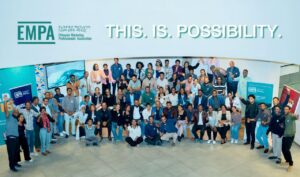
Ethiopia’s marketers gather to celebrate hosting next year’s conference – but with an eye on the hard work ahead.

Tech is creating more ways for audiences to connect, but lasting value will come from understanding the people behind those connections.

The new production line at the historic Maydon Wharf facility in Durban will address growing international demand.

Tanzania, Kenya, Zimbabwe, Ethiopia and South Africa all feature in the African meetings, incentives, conferences and exhibitions awards.
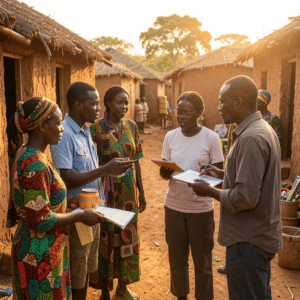
Much of the broader conversation around AI in market research assumes conditions that do not consistently exist across many African markets, writes Soyinka Witness.