
Airline body urges African governments to act on opening market access
‘Strategies don’t move people. Now it is time to make the difficult decisions and execute them,’ senior executive stresses.
DIGITAL ADVERTISING
By our News Team | 2022
Specialist advertising sales company to provide support, training, lines of credit and local billing to advertisers in the Ghanaian market.
Entravision, a leading global advertising solutions, media and technology company, has announced that its Africa-based digital business unit, Entravision 365 Digital in Ghana, has become the Authorised Sales Partner of Meta Platforms, the company that owns Facebook, Instagram and WhatsApp.
Entravision 365 Digital will provide support, training, lines of credit and local billing to advertisers in the Ghanaian market, thereby enabling them to meet their business objectives, the company said in a media statement released in the US.
Entrance sign at Meta’s headquarters complex in Menlo Park, California. Photo credit: Nokia621 via Wikimedia Commons
“This partnership reinforces our commitment to advertisers to connect brands to consumers through local strategic support, creative expertise and relevant in-market training,” said Julian Jordaan, Chief Executive Officer of Entravision 365 Digital.
“As we continue to expand our presence throughout the continent of Africa, we are thrilled to partner with Meta as their Authorised Sales Partner in Ghana to equip and empower local businesses with our top-notch advertising expertise.”
New Country Manager to spearhead the partnership
Jordaan continued, “We are also pleased to welcome Stephen Sawyerr as Country Manager to spearhead our partnership with Meta in Ghana. With over 10 years of management, digital marketing and brand building expertise, Stephen is very well equipped to build a world-class team to support Entravision’s growth in West Africa.”
Entravision 365 Digital says it will deploy dedicated local expert teams in Ghana to provide businesses with each of the tools crucial to sales growth, while also assisting these same customers in deploying their advertising investments more efficiently across the Meta family of products.
Notes Enitan Denloye, Regional Director, Meta Africa: “Ghana is an important country for Meta and it is a priority for us to invest in the market and to be closer to the people and businesses here.
“As such, we are happy to bring in Entravision 365 Digital as Meta’s Authorised Sales Partner in Ghana and believe that, with their robust local market insights and expertise, we can provide better support for businesses and agencies locally, helping them unlock their potential growth.”
Entravision represents a range of top platforms and publishers. Apart from Meta, these include TikTok and Spotify.

‘Strategies don’t move people. Now it is time to make the difficult decisions and execute them,’ senior executive stresses.

UTB says its ambition is to turn the visibility into interest, bookings and more visitors choosing to explore Uganda.

Short ads shown on TV increased website visits within five minutes of airing by 10-40% compared with longer advertisements.

Supeco’s rapid expansion shows how the discount model is becoming a bigger part of grocery retail in the North African country.

Consumers reward visible eco-friendly additions such as reusable bottles, but give little credit to businesses that reduce or remove products.
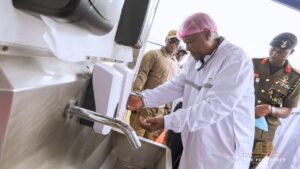
Nestlé believes Ghana will continue to play a leading role in the future of Central and West Africa.
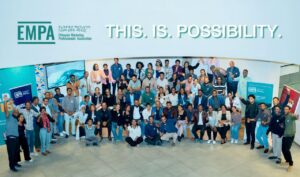
Ethiopia’s marketers gather to celebrate hosting next year’s conference – but with an eye on the hard work ahead.

Tech is creating more ways for audiences to connect, but lasting value will come from understanding the people behind those connections.

The new production line at the historic Maydon Wharf facility in Durban will address growing international demand.

Tanzania, Kenya, Zimbabwe, Ethiopia and South Africa all feature in the African meetings, incentives, conferences and exhibitions awards.
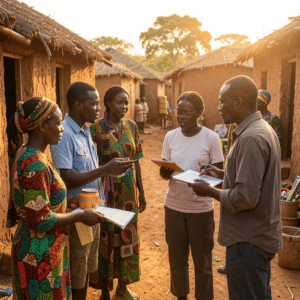
Much of the broader conversation around AI in market research assumes conditions that do not consistently exist across many African markets, writes Soyinka Witness.