
Airline body urges African governments to act on opening market access
‘Strategies don’t move people. Now it is time to make the difficult decisions and execute them,’ senior executive stresses.
BRAND CAMPAIGNS
By our African Marketing Confederation News Team | 2024
Sportswear company brings in top Olympic athletes as it aims to reclaim a reputation for bold, conversation-starting marketing.
Photo: Nike
With the eyes of the sporting world firmly focused on the 2024 Paris Olympic Games starting this week, Nike has begun flighting an uncompromising in-your-face advertising campaign that is starkly at odds with the ‘Olympic togetherness’ ideals being promoted by many of the other major brands.
Themed ‘Winning Isn’t for Everyone’, the Nike strategy emphasises a ruthless winner-take-all drive required to be a top Olympic athlete – including an obsession with winning and a refusal to be satisfied with second place.
With the video component of the campaign voiced by Hollywood actor Willem Dafoe, best known for playing villainous movie roles, the narrative questions whether an obsessive drive to win makes the athlete a ‘bad person’.
Among the best-in-class athletes appearing in the campaign are basketballers LeBron James and Victor Wembanyama, tennis star Serena Williams, long-distance runner Jakob Ingebrigtsen, and track and field athlete Sha’Carri Richardson.
Don’t apologise for a competitive spirit
“The insights for the campaign came directly from Nike athletes, who were clear [that] if you don’t want to win, you’ve already lost. Their competitive spirit isn’t something to be apologetic about,” Nike explains.
“In a world where wanting to win has got a losing reputation, ‘Winnings Isn’t for Everyone’ speaks to the grit, determination and sacrifice athletes say is required to get to the top of their sport.”
Says Nicole Graham, Chief Marketing Officer at Nike: “It’s a story about what it takes to be the best. The legacies that have yet to be shaped. And the dreams that will be made real. It reminds the world that there’s nothing wrong with wanting to win.
“Nike’s story starts with the athlete story. It always has. And it always will. ‘Winning Isn’t for Everyone’ shows that anyone can be a winner if they are willing to do what it takes.”
Comments the marketing industry news website, Marketing Dive: “Nike has positioned the Paris Olympics as a comeback moment. The company has contended with slumping sales and is vying to reclaim a reputation for bold, conversation-starting brand marketing.
“The sportswear giant has admitted to over-focusing on its direct-to-consumer strategy in recent years and has contended with bigger challenges from upstart brands in categories it once dominated – like running.”
The campaign includes athlete extension films, social media extensions and out-of-home advertising in various cities.
You can watch the Nike video advertisement here.

‘Strategies don’t move people. Now it is time to make the difficult decisions and execute them,’ senior executive stresses.

UTB says its ambition is to turn the visibility into interest, bookings and more visitors choosing to explore Uganda.

Short ads shown on TV increased website visits within five minutes of airing by 10-40% compared with longer advertisements.

Supeco’s rapid expansion shows how the discount model is becoming a bigger part of grocery retail in the North African country.

Consumers reward visible eco-friendly additions such as reusable bottles, but give little credit to businesses that reduce or remove products.

Nestlé believes Ghana will continue to play a leading role in the future of Central and West Africa.
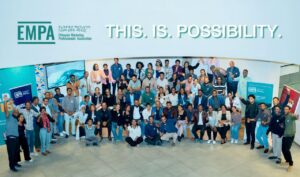
Ethiopia’s marketers gather to celebrate hosting next year’s conference – but with an eye on the hard work ahead.

Tech is creating more ways for audiences to connect, but lasting value will come from understanding the people behind those connections.

The new production line at the historic Maydon Wharf facility in Durban will address growing international demand.

Tanzania, Kenya, Zimbabwe, Ethiopia and South Africa all feature in the African meetings, incentives, conferences and exhibitions awards.

Much of the broader conversation around AI in market research assumes conditions that do not consistently exist across many African markets, writes Soyinka Witness.