
Pre-conference masterclass discusses taking African brands to the world
Participants challenged to identify, articulate and commercialise the cultural assets that make their brand ready for a global audience.
Business Strategy
By our African Marketing Confederation News Team | 2025
The chain, founded in Australia in 1989, plans to open 25 outlets in Kenya, Tanzania and Uganda by 2035.
Coffee Club, an international coffee chain founded in Australia in 1989, is expanding into the East African market and plans to open 25 stores across Kenya, Tanzania and Uganda over the next decade.
Coffee Club has more than 400 outlets in various countries. Photo: Facebook
Its first outlet has just opened in the Lavington area of Nairobi as part of a global growth strategy targeting emerging markets. In all, 10 branches will be established in Kenya over the next five years.
Coffee Club is owned by Thai-based Minor International. The East African venture involves Liwa Minor, which already operates Coffee Club outlets in the Middle East, and Dormans Coffee, a Kenyan-based roaster. The latter will source beans locally, supporting domestic roasting and strengthening Kenya’s coffee supply chain.
According to The Standard newspaper, Coffee Club’s entry reflects growing efforts to build a domestic coffee culture that retains more value locally. It also signals a broader trend of international consumer brands targeting East Africa’s rising middle class and untapped agribusiness value chains.
In a statement posted on social media, Liwa Minor says Nairobi is known for its energy, innovation and deep-rooted coffee heritage.
Global brand standards and local insight
“This milestone not only marks the beginning of The Coffee Club’s journey in East Africa, but also demonstrates the strength of our regional franchise model, powered by global brand standards and local insight,” the statement reads.
“A key part of this launch is our partnership with Dormans Coffee, who now roast our signature Melbourne-crafted blends locally in Nairobi – ensuring freshness, supporting Kenyan supply chains and reinforcing our commitment to sustainability and local collaboration.”
Speaking at the launch event in Nairobi, Kenya’s Trade and Investment Cabinet Secretary, Lee Kinyanjui, welcomed the Coffee Club’s arrival, saying it would support local value addition and job creation.
Coffee Club operates over 400 stores across Australia, New Zealand, the Middle East and Southeast Asia.

Participants challenged to identify, articulate and commercialise the cultural assets that make their brand ready for a global audience.

Second outlet planned for Nairobi before year end, with Nigeria, South Africa and Morocco said to be future target markets.

Online search behaviour has changed significantly with the rise of AI. How can African brands adapt to this new marketing landscape?
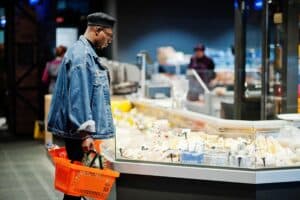
Researchers propose a framework for packaging that senses, learns and acts – making packaging an active, AI-powered tool against food waste.
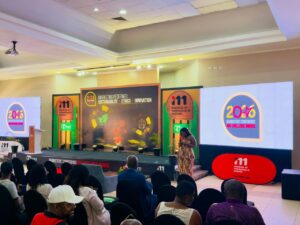
Country needs marketers to build recognition and consumer trust around Malawian products and national brand, says Deputy Minister.

Fashion brand suspends giant lingerie high above the city’s streets, using shadows to create a moving billboard for pedestrians and motorists.

Researchers describe AI influencers as having a ‘dual identity’. Consumers evaluate both ‘person’ and ‘technology’ identities at once.
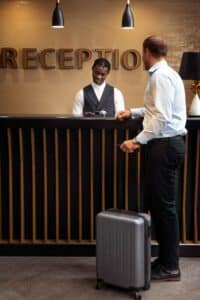
Reputation and trust, once modest influences on hotel choice, have become some of the strongest predictors of patronage, study finds.

South African brands are increasingly setting the global benchmark for customer loyalty strategies, organisers say.

Global influences among younger consumers are still present, but they are being filtered through a distinctly Zambian lens.

Researchers find that lack of perceived ‘genuine care’ is the mechanism connecting AI involvement to lower trust ratings.