
Airline body urges African governments to act on opening market access
‘Strategies don’t move people. Now it is time to make the difficult decisions and execute them,’ senior executive stresses.
MARKETING BUDGETS
By our News Team | 2022
Marketing spend in 2022 will be almost 10 percent of total company revenue, with ‘traditional channels’ showing a surprising rebound.
Marketing budgets have climbed to 9.5% of total company revenue in 2022, an increase from 6.4% in 2021. But, while they’re increasing this year, they still lag pre-pandemic spending levels.
This is according to a study released yesterday (Monday) by international marketing research company, Gartner Inc.
The annual CMO Spend and Strategy Survey was conducted among 405 CMOs and other marketing leaders in North America and Europe, across different industries and company sizes. Most responding companies reported annual revenue of more than US$1-billion.
“In the face of telling macro-economic considerations, CMOs hold on to a belief that their own economic outlook is strong,” said Gartner executive Ewan McIntyre.
“Despite inflation, the Russian invasion of Ukraine, supply chain issues exacerbated by China’s lockdown measures, and unprecedented talent competition, CMOs appear sanguine.
Photo by Pixabay
For example, the majority of CMOs surveyed thought inflationary pressures hitting their business and their customers will have a positive impact on their strategy and investment in the year ahead.”
Seventy percent of respondents reported their budgets had increased this year. However, with marketing budgets increasing to 9.5% of total company revenue, the figure is still down from the average budget between 2018 and 2020 – which stood at 10.9% of total company revenue.
Offline marketing channels are rebounding
CMOs have made the shift from digital-first to hybrid multichannel strategies, the research shows. When asked to report the proportion of their 2022 budget allocated to online and offline channels, online channels take the largest share (56%). However, offline channels account for almost half the total available budget (44%) – a more equitable split than in recent years.
Looking at the average spend across industries, social advertising tops the list, closely followed by paid search and digital display.
“There has been a lot of discussion around Covid-19 shifting consumers to a digital-first mindset. However, as Western Europe and North America relax pandemic protocols, customer journeys have recalibrated,” said McIntyre. “Post-lockdown, CMOs need to listen carefully to their customers and pay attention to the channels they are using, as this more closely resembles a hybrid reality.”
Lack of marketing talent continues to be a concern this year, most respondents to the Gartner survey indicated.
“Marketing is experiencing a historic surge in talent demand in 2022,” continued McIntyre. “Prioritising the proper mix of resources should be a mission-critical priority for CMOs in order to attract and retain the capabilities they need to deliver against their CEO’s goals – such as focusing on brand and customers.”

‘Strategies don’t move people. Now it is time to make the difficult decisions and execute them,’ senior executive stresses.

UTB says its ambition is to turn the visibility into interest, bookings and more visitors choosing to explore Uganda.

Short ads shown on TV increased website visits within five minutes of airing by 10-40% compared with longer advertisements.

Supeco’s rapid expansion shows how the discount model is becoming a bigger part of grocery retail in the North African country.

Consumers reward visible eco-friendly additions such as reusable bottles, but give little credit to businesses that reduce or remove products.

Nestlé believes Ghana will continue to play a leading role in the future of Central and West Africa.
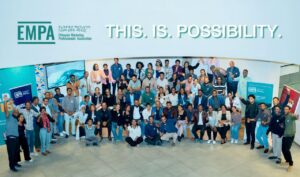
Ethiopia’s marketers gather to celebrate hosting next year’s conference – but with an eye on the hard work ahead.

Tech is creating more ways for audiences to connect, but lasting value will come from understanding the people behind those connections.

The new production line at the historic Maydon Wharf facility in Durban will address growing international demand.

Tanzania, Kenya, Zimbabwe, Ethiopia and South Africa all feature in the African meetings, incentives, conferences and exhibitions awards.
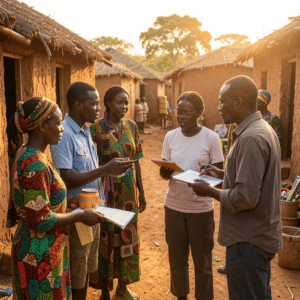
Much of the broader conversation around AI in market research assumes conditions that do not consistently exist across many African markets, writes Soyinka Witness.