Africa declares a new standard for its communications profession
For too long, the PR landscape has had no shared standard for who practises in it or what responsibility they carry, founders say.
BUSINESS STRATEGY
By our African Marketing Confederation News Team | 2025
Franchise agreement with the South African retail group ends after 27 years, as Model gains ‘complete operational independence’.
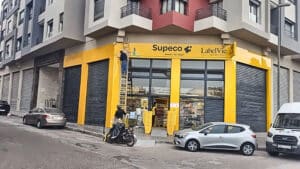
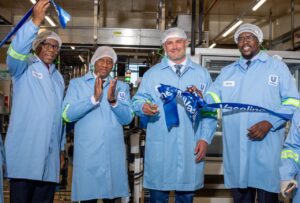
Namibia’s new Model supermarket chain opened its doors on 1 July, as its parent company, the Ohlthaver & List (O&L) Group, transitioned from a long-standing franchise agreement with South Africa’s Pick n Pay retail group.
An artist’s impression of a rebranded Model outlet. Illustration: O&L
O&L gave notice last year that it was terminating its agreement with struggling Pick n Pay after 27 years.
This is a return to its roots, as O&L first began trading as Model Supermarkets in the 1960s before it later switched to the then-thriving Pick n Pay brand as the local franchisee.
In a statement posted on its website, O&L says it “gains complete operational independence, introducing a new retail system with full local control over operations, technology and supplier relationships”.
The statement adds: “Model’s transition is not instantaneous but carefully phased. From 1 July, the old signage will start coming down and the Model brand will become visible in stores. This gradual transformation will unfold over the coming months and years.”
First fully rebranded outlet in Windhoek
Model’s Auas Valley store in Windhoek is the first location to undergo comprehensive renovation, with completion expected towards the end of September 2025.
“The transition to Model signals the birth of a retail experience designed by Namibians, for Namibians,” says Sven Thieme, Executive Chairman of O&L Group.
“At the heart of this transformation is a 100% Namibian buying team that will have complete autonomy to create product ranges that reflect local needs, preferences and values.
“Our independence gives us the strategic freedom to build partnerships with local suppliers, invest in Namibian talent and shape a shopping experience that reflects our community’s values and aspirations.”
Model says the shift creates “meaningful opportunities” for Namibian producers and suppliers who meet high quality standards to list their products directly, strengthening the local supply chain and supporting homegrown businesses.

For too long, the PR landscape has had no shared standard for who practises in it or what responsibility they carry, founders say.

By carefully selecting followers to engage with an influencer’s post, marketers can significantly increase the post’s spread.

SA’s Advertising Regulatory Board finds Kia advertisement could be offensive to people with certain health disorders.

Global study finds AI is helping marketers produce more – but is not creating the time and creative space they expected.

Urban Africa will double its footprint, adding the equivalent of more than 4,000 Manhattans or almost 400 Singapores, The Economist reports.

Luc Demez brings experience from Europe and African countries as the Carrefour brand looks to expand into Nigeria with a local partner.

What makes brands successful in Africa? A summary of the award-winning paper presented at Esomar’s first conference in Africa.

Woolworths supermarket chain embraces an AI-powered chef as it leverages two decades of recipes to answer an age-old family question.

Consumers are prioritising their wellness despite tighter wallets, meaning sportswear remains one of the most resilient areas of fashion.

Nominations for the 2026 African Marketing Confederation and African Supply Chain Confederation awards close on 31 July.

Consumers may stick with troubled brands because their emotional attachment overrides the perceived risk, study finds.