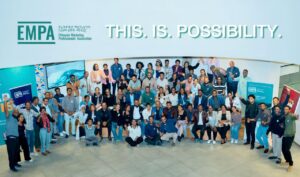
Africa declares a new standard for its communications profession
For too long, the PR landscape has had no shared standard for who practises in it or what responsibility they carry, founders say.
ARTIFICIAL INTELLIGENCE
By our News Team | 2023
Over the past couple of years, artificial intelligence (AI) has greatly improved hotel operations and efficiency by automating processes such as booking and contactless check-in, allowing staff to focus on providing premium, personalised experiences to guests faster and at reasonable prices.
In a new study from the University of Houston in the US, Professor Cristian Morosan and his former doctoral student, Aslihan Dursun-Cengizci, are shedding new light on just how accepting hotel guests are of AI technology.
“We looked at a number of things that could influence customers when they delegate some of their decisions to AI,” Morosan said. “And the most important factors were perceived ethics, followed by benefits. For instance, it is important for hotels to be accountable and transparent about data privacy and security to ensure AI is used ethically and responsibly.”
CAPTION + PHOTO CREDIT:
Image by Rodrigo Salomón Cañas from Pixabay
AI makes a dinner reservation based on your past history
Explains Morosan: “Imagine you arrive at the hotel; you’ve already checked in and got your mobile room key and you don’t have to wait in line at the front desk. And now, based on what it knows about you, the AI has already made a dinner reservation for you.”
AI can also improve hotel revenue management by determining the best room rates in real-time to help maximise profits and provide in-depth data analysis to help operators leverage customer information to strengthen marketing systems.
But hospitality establishments must also be keenly aware of the risks of AI technology on the guest experience. According to Morosan, they want to know the AI is making the right decision for them.
“When guests perceive the AI decision as unethical or incompetent, it has a negative impact on their experience and willingness to engage with it.
“The bottom line is consumers are ready to accept AI technology in their travel experiences. The more hotels focus on the ethics and benefits of the decisions the AI makes, the more likely consumers would use the technology and incorporate it into their entire experience. It just needs to be integrated with humans because they’ll always want that personal touch.”
You can find out more about the study here.

For too long, the PR landscape has had no shared standard for who practises in it or what responsibility they carry, founders say.

By carefully selecting followers to engage with an influencer’s post, marketers can significantly increase the post’s spread.

SA’s Advertising Regulatory Board finds Kia advertisement could be offensive to people with certain health disorders.

Global study finds AI is helping marketers produce more – but is not creating the time and creative space they expected.

Urban Africa will double its footprint, adding the equivalent of more than 4,000 Manhattans or almost 400 Singapores, The Economist reports.

Luc Demez brings experience from Europe and African countries as the Carrefour brand looks to expand into Nigeria with a local partner.

What makes brands successful in Africa? A summary of the award-winning paper presented at Esomar’s first conference in Africa.

Woolworths supermarket chain embraces an AI-powered chef as it leverages two decades of recipes to answer an age-old family question.

Consumers are prioritising their wellness despite tighter wallets, meaning sportswear remains one of the most resilient areas of fashion.

Nominations for the 2026 African Marketing Confederation and African Supply Chain Confederation awards close on 31 July.

Consumers may stick with troubled brands because their emotional attachment overrides the perceived risk, study finds.