

World Cup has become a global platform for promoting harmful products
Sport should be part of the solution to poor health – not a powerful advertising platforms for the products driving it, researchers warn.


Sport should be part of the solution to poor health – not a powerful advertising platforms for the products driving it, researchers warn.

The research will support better decision making and planning, as well as identify opportunities and challenges that require the industry’s attention.

Expansion into the Democratic Republic of Congo adds to Adopt Parfum’s presence in multiple Francophone African markets.
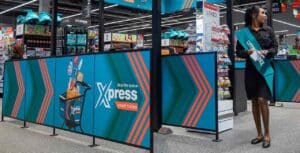
Xpress smart trolleys have been trialled in the Cape Town area for more than a year. Now the technology has expanded.

Le organe membre de l’African Marketing Confederation en Afrique francophone remet le prix à NSIA Vie Assurances.
The African Marketing Confederation’s member body in Francophone Africa presents award to NSIA Vie Assurances.

Summit keynote address identifies four elements that must converge if the continent is to achieve a meaningful economic reset.

This year’s judging process was exceptionally competitive, with a high standard of entries received from marketing teams and agencies.
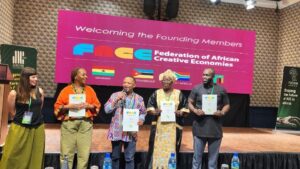
Federation dedicated to the African creative sector will now share a table with marketers, technologists and supply chain professionals.

Ethiopian delegates celebrate the 2027 host announcement made in Zambia last week

First Vice President outlines vision to champion professional excellence, ethical practice and innovation in marketing worldwide.